Adur and Worthing residents get a new food waste routine
By Pink River editorial team
Residents in the first phase of Adur and Worthing’s new food waste service can now put food scraps out for a separate weekly collection. Use the kitchen caddy for leftovers, then transfer its contents into the orange-lidded outside food waste recycling bin.
The rollout covers two phases, so collections have not started for every household. In its notice released on 29 September 2026, Adur and Worthing councils said residents in phase two would be contacted about their start date later.
Move food scraps from the caddy to the outside bin
Put leftover food, including plate scrapings, peelings and tea bags, into the kitchen caddy instead of the general waste bin. These are examples specifically given in the councils’ guidance.
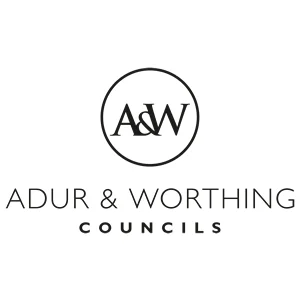
When the caddy is full, empty its contents into the orange-lidded outside food waste recycling bin. That outside bin is the container used for the weekly collection; the kitchen caddy helps residents gather scraps indoors.
Check your weekly collection day and report missed bins
The food waste collection is an additional weekly service introduced through the government’s Simpler Recycling programme. Residents can check their bin collection day on the councils’ website or sign up for smartphone reminders through the councils’ app.
Some collections were missed during the first week because of teething problems with the new vehicles. The councils said residents should report missed bins online and that crews aimed to return quickly. They expected fewer problems as the service became established.
First week collects 72.3 tonnes from local homes
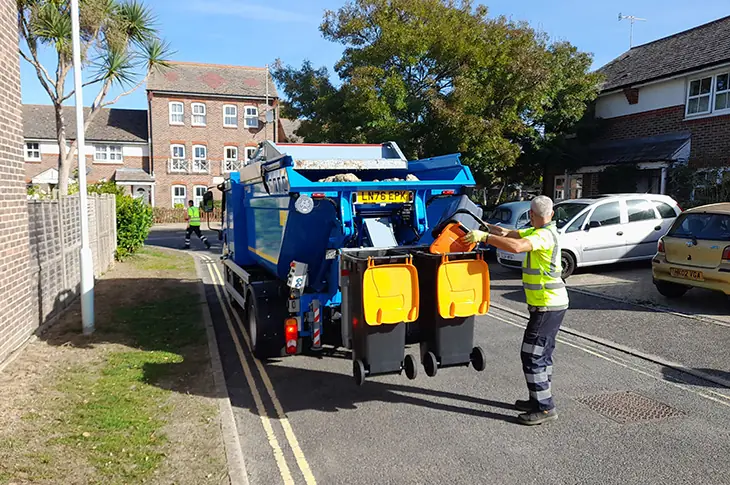
Newly recruited staff using specialist smaller vehicles collected 72.3 tonnes of food waste from thousands of homes in the first week. The councils compared that quantity with enough discarded food to fill more than three normal household waste trucks.
The collected food goes to a processing plant near Horsham, operated on behalf of West Sussex County Council. Anaerobic digestion converts it into biofertiliser for local farmers and renewable energy.
The energy powers the plant itself, with any surplus exported to the national grid. For households awaiting phase two, the next confirmed step is contact from the councils with their collection start date.
Source: Adur and Worthing Councils News
Context & actions About this article
Source check Source and checks
This guide uses the supplied council notice for collection instructions, rollout timing and first-week results.
- The notice was released on 29 September 2026 and records 72.
- The instructions specify a kitchen caddy followed by the orange-lidded outside food waste...
- Collections are weekly, with phase-two start dates to be communicated later.
- Vehicle problems caused some missed collections, which residents can report online.
- Source
- Adur and Worthing Councils News
- Scope
- Adur and Worthing
- Updated
- 2026-10-06 14:32
Source check
Report a trust issue
Send a clear signal to community moderation if the source, facts or context need review.




Comments