Dreams About Losing Teeth: Symbolism, Stress and Reflection
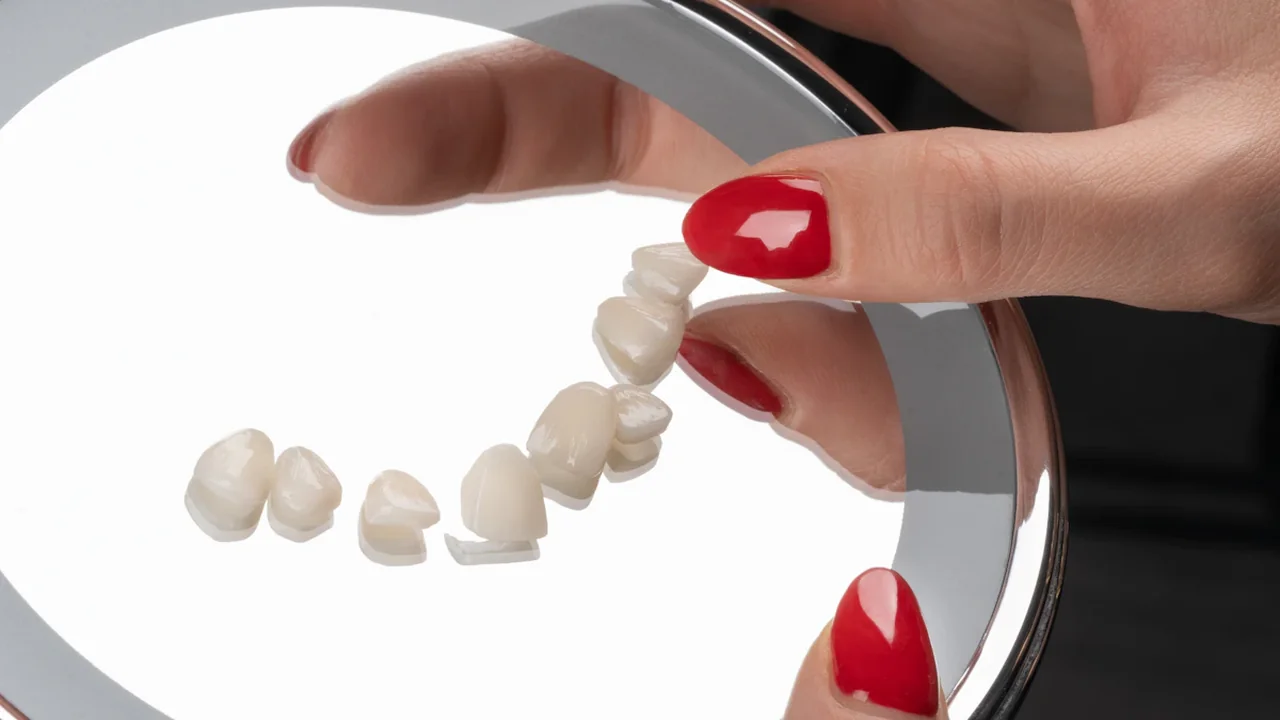
A dream about a loose or missing tooth can feel startling, but it does not have one established meaning for everyone. Popular dream interpretation traditions connect tooth-loss dreams with themes such as change, appearance or a sense of control. Everyday experiences, including stress or dental discomfort, may also be relevant. The dream alone is not a prediction or diagnosis.
Why tooth-loss dreams have different interpretations
Dream interpretation varies across cultures, communities and individuals. In popular interpretations, losing teeth may stand for a transition, concern about how others see you, or feeling that something is outside your control. These are symbolic readings, not universal rules, and they do not establish what a dream means for any one person.
The same dream can mean different things to different people, and it may not carry a clear message at all. A familiar symbol is not proof that a particular event is coming or that something is wrong. If an interpretation resonates, treat it as a possible prompt for reflection rather than a verdict. If it does not fit your experience, there is no need to force a connection.
Ordinary experiences can shape a vivid dream
A dream can draw on recent events and sensations. If you have had a dental appointment, noticed discomfort in your mouth, or spent time thinking about your teeth, those experiences might show up in a dream. Stress may also affect what occupies your thoughts while awake and the themes you remember from sleep.
These possibilities do not establish a cause. A tooth-loss dream by itself cannot tell you whether you have a dental problem or explain your stress. If you have a waking dental concern, address it through ordinary dental care rather than relying on dream symbolism. Keeping the distinction clear can help you consider the dream without treating it as evidence about your health.
Sleep Foundation’s general guide to dreams provides context for thinking about dreams in relation to waking life. It does not give one fixed meaning to every dream about teeth. The source supports a cautious approach: consider personal experience, while recognizing that a possible association is not a confirmed explanation.

A simple way to reflect on the dream
If the dream stayed with you, write down a few details soon after waking. You do not need to decode every image or find a hidden message. The aim is to notice what you felt and whether anything in your current life comes to mind. A brief note can help you distinguish what happened in the dream from the interpretation you might place on it.
Try noting:
- The emotion: Were you frightened, embarrassed, relieved, confused or calm?
- What happened: Did a tooth loosen, fall out, break, or simply feel different?
- A waking-life association: Has anything recently brought up change, appearance, control, stress or dental care for you?
- The pattern: Was this a one-time dream, or has it returned?
Then leave room for uncertainty. An association is a personal possibility, not proof that the dream has a single correct interpretation. If nothing fits, it is fine to let the dream remain unexplained. You can return to your notes later if the dream recurs, but there is no need to treat one vivid night as a message demanding action.
When to seek support for distressing dreams
A vivid dream on its own is not necessarily a reason for concern. Consider talking with a health professional if distressing dreams keep recurring, affect your sleep, or make daily life harder. You can describe how often they happen, how you feel afterward and whether your sleep has changed; these details focus the conversation on the effect the dreams are having.
A professional can help you discuss the sleep problem or distress in its wider context. You do not need to arrive with a symbolic explanation for the dream. If you have a separate concern about your teeth while awake, discuss that with a dental professional.
Source: Sleepfoundation
Context & actions About this article
Source check Dream context
Popular symbolic readings are possibilities, not established meanings for everyone; the reflection prompts are for personal consideration.
- Consider the emotion you felt in the dream
- Note any recent waking-life association
- Seek professional support if distress or sleep problems persist
- Source
- Sleep Foundation
- Scope
- International
- Updated
- 2026-10-20 09:28
Source check
Report a trust issue
Send a clear signal to community moderation if the source, facts or context need review.




Comments