EU Entry/Exit System: Checks for British Travellers
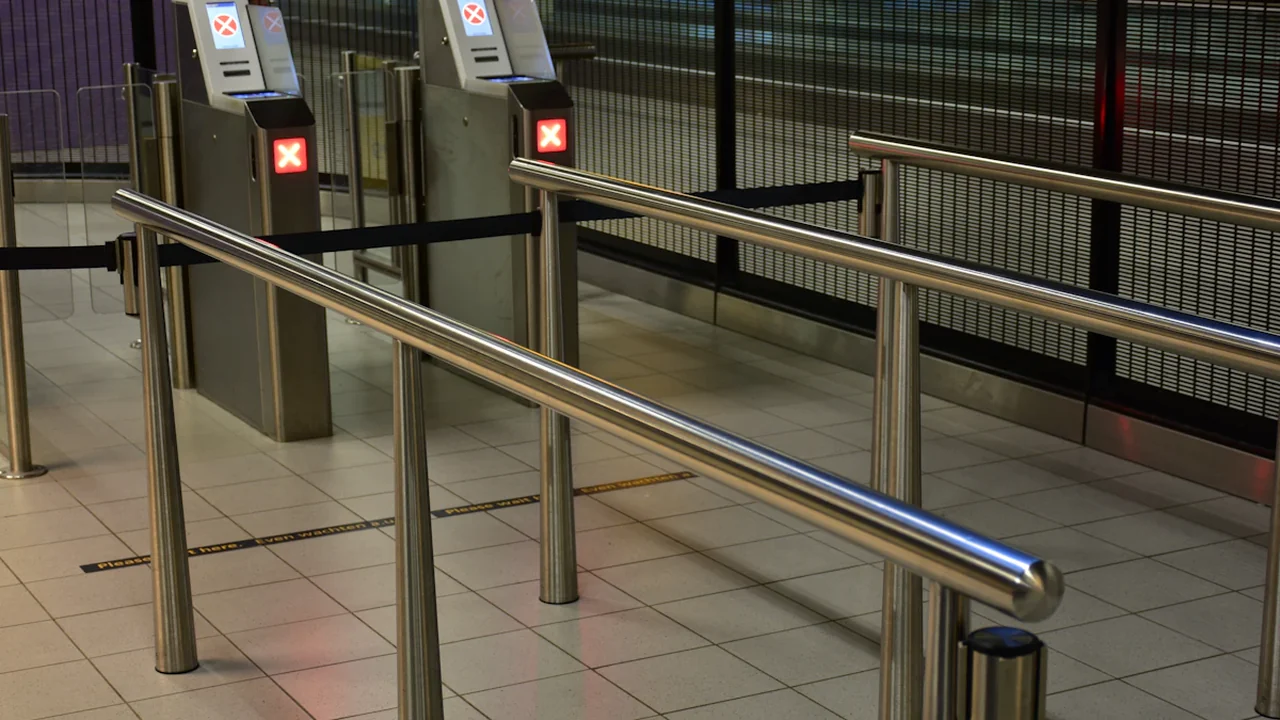
British travellers heading to the Schengen area should check their passport, route and destination entry rules before setting off. The EU Entry/Exit System (EES) started on 12 October 2025 and introduced border registration requirements for British citizens; the steps and location of processing can depend on how you travel.
What EES records at the border
EES is the EU system for registering entries and exits by eligible non-EU travellers to the Schengen area. British citizens travelling for a short stay may need to have their travel details and biometric information registered as part of border checks. Follow instructions from border staff and your transport operator, since the process can take place at different points on different routes.
Check your passport and destination rules
Before travel, check that your passport meets the requirements for your destination and trip. Entry conditions can vary by country and may cover passport validity, permitted length of stay and other requirements. The Foreign, Commonwealth & Development Office (FCDO) provides destination-specific advice on entry requirements, safety, security and local laws.
Use the FCDO page for the country you are visiting, and check again close to departure in case its guidance changes. If your itinerary includes more than one country, review the requirements for each destination.
Where registration happens depends on your route
Border processing arrangements are not identical across every journey. Depending on the route, checks may take place at a departure point, on arrival or at another border-control location. Check your transport operator’s instructions before travelling so you know where to follow EES procedures and what to do at the terminal, port or station.

For example, a traveller taking a direct flight should follow airport and airline guidance, while someone using a route with border controls before boarding should check the operator’s directions for that departure point. These examples do not determine where an individual traveller will be processed; the route-specific instructions do.
EES and ETIAS are different
EES is a border registration system. ETIAS is a separate travel authorisation for eligible visa-exempt visitors. The UK government explains them separately, so do not treat an EES registration requirement as an ETIAS application, or assume the systems share the same start date or requirements.
Check the latest UK government EES guidance and destination advice, then follow your operator’s instructions for your specific route. The relevant rules depend on your journey and circumstances.
Source: Foreign, Commonwealth & Development Office and Cabinet Office
Context & actions About this article
Source check Official travel guidance
This guide draws on UK government guidance about EES and destination-specific travel advice.
- Review the UK government’s EES guidance
- Check FCDO advice for every destination
- Follow your transport operator’s route instructions
- Source
- UK government EES guidance
- Scope
- European Union and Schengen area
- Updated
- 2026-10-08 13:36
Source check
Report a trust issue
Send a clear signal to community moderation if the source, facts or context need review.



Comments