How Hastings Transferred England’s Crown to the Normans
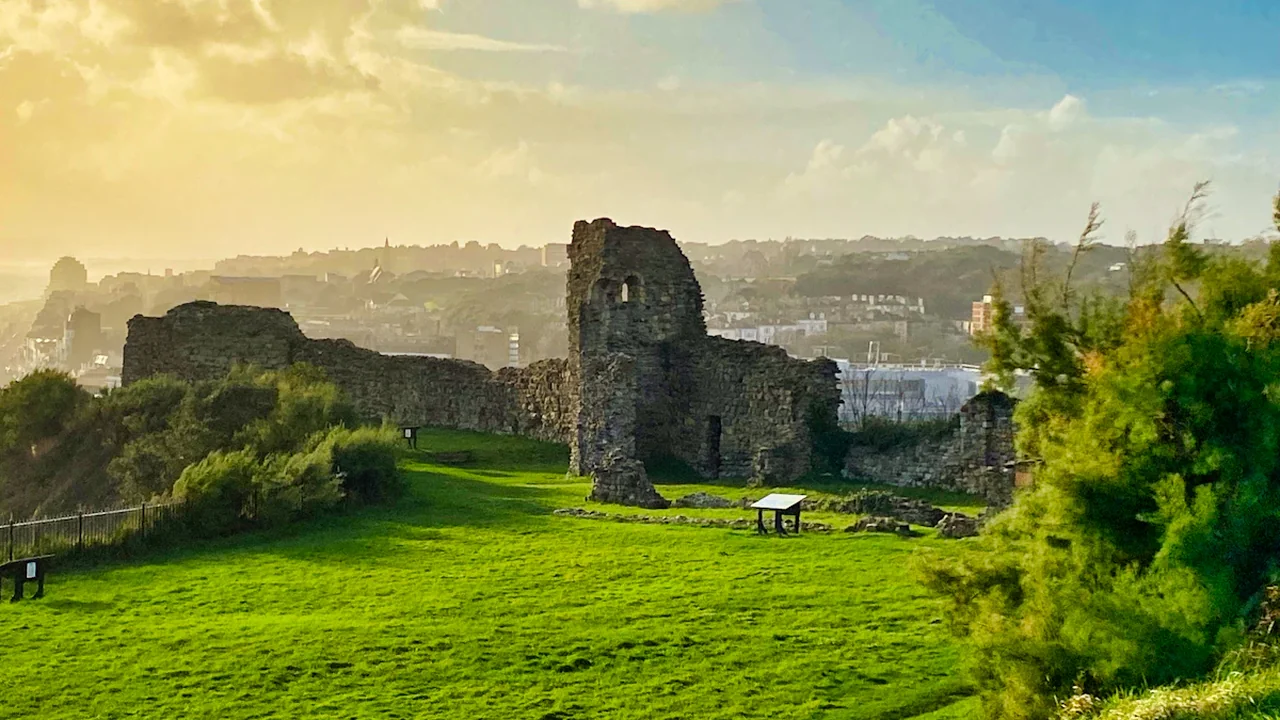
The Battle of Hastings was fought on 14 October 1066, and its outcome helped replace England’s Anglo-Saxon ruling elite with Norman leaders. William of Normandy defeated King Harold Godwinson, but the conquest unfolded over the following weeks and years; the next milestone was William’s coronation in London on Christmas Day.
A disputed succession set the stage
The crisis began when England’s King Edward the Confessor died on 5 January 1066 without a surviving child. Harold Godwinson, a powerful English earl, was crowned king the next day. William, Duke of Normandy, also claimed the throne, arguing that Edward had promised it to him and that Harold had sworn to support his claim. The exact terms and weight of those claims remain debated.
Harold faced another invasion before William arrived. In September, Harald Hardrada of Norway landed in northern England with support from Harold’s estranged brother, Tostig. Harold’s army defeated them at the Battle of Stamford Bridge on 25 September. The victory came at a cost: Harold then had to move his troops south to meet William’s forces.
William landed on the Sussex coast in late September, likely at Pevensey, and established a base. The timing of Harold’s march and the precise movements of both armies are reconstructed from medieval accounts, which do not record every detail consistently.
Harold and William met near Hastings
On 14 October, the armies fought near the town of Hastings, at a site now associated with Battle in East Sussex. Harold’s English troops formed a defensive line on high ground, while William’s army included archers, infantry and mounted fighters. English forces relied heavily on foot soldiers and shields.
The battle lasted for much of the day. The broad outcome is clear: William’s forces prevailed, and Harold was killed. The manner of Harold’s death is less certain. The Bayeux Tapestry depicts a figure struck near the eye, but historians debate whether that figure is Harold and whether the image records the precise cause of his death.
Accounts also differ on the battle’s exact sequence. Norman sources describe feigned retreats that drew English fighters out of their defensive position; the extent to which this tactic shaped the result is difficult to establish. What is clear is that the English line eventually broke and Harold’s death removed the kingdom’s crowned king from the field.
Victory did not immediately settle the crown
After the battle, William moved toward London. English leaders had chosen Edgar Ætheling, a member of the royal family, as king, but he lacked the military strength to stop the Norman advance. William secured submission from leading figures and was crowned king at Westminster Abbey on 25 December 1066.
The coronation marked a transfer of royal authority, but it did not mean every part of England was under firm Norman control. Resistance continued, especially in the north. William responded with military campaigns, and his forces devastated parts of northern England during the Harrying of the North in 1069–70. The scale and lasting effects of that destruction are discussed by historians, but the campaign was a severe effort to suppress opposition.
Norman rule reshaped England’s ruling class
Over time, Norman landholders took control of much of the country’s land and senior positions. The change was not instantaneous, and some English people retained land or influence, but the upper ranks of government and the church increasingly came under Norman leadership. French-speaking rulers and settlers also influenced English law, administration and language.
William ordered the Domesday survey in 1085–86 to record landholding and resources across much of England. It was not a modern census, but it gave the king a detailed account of property and obligations that could support taxation and royal government. Its completion provides a later marker of how the new regime assessed the kingdom it had conquered.
The battle’s importance, then, lies in more than the death of Harold or William’s battlefield victory. Hastings opened the way for a lasting change in who held land and power, while the coronation and later consolidation turned military success into rule. The next major date in that transition was the Domesday survey, completed in 1086.
Source: English Heritage
Context & actions About this article
Source check Historical context
English Heritage and Encyclopaedia Britannica provide background on the battle and the Norman Conquest; some details of the battle and succession claims remain debated.
- The battle was fought on 14 October 1066
- Harold Godwinson was killed and William prevailed
- William was crowned on 25 December 1066
- The Domesday survey was completed in 1086
- Source
- English Heritage
- Scope
- England
- Updated
- 2026-10-12 09:41
Source check
Report a trust issue
Send a clear signal to community moderation if the source, facts or context need review.



Comments