How Railway Timetables Made Greenwich Time Britain’s Standard
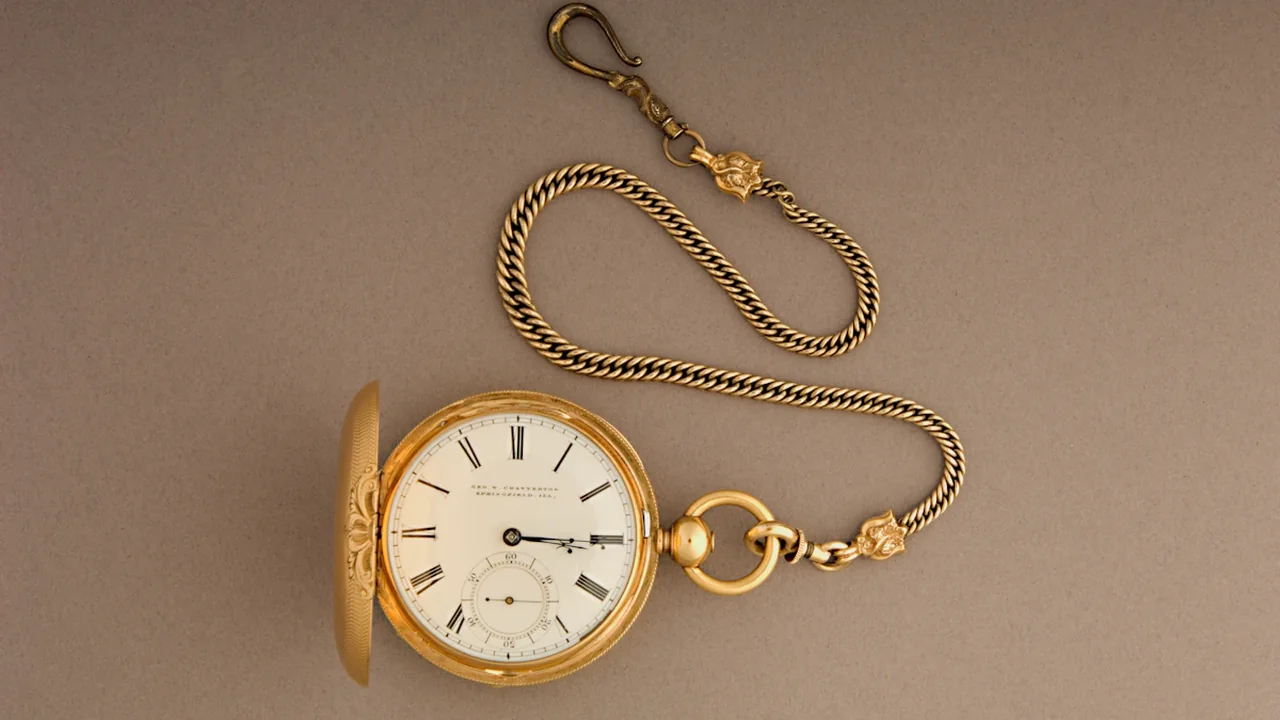
A train timetable only works when passengers and railway staff agree what the time means. In 19th-century Britain, clocks in neighbouring towns could show different local times, making journeys harder to coordinate. Greenwich Mean Time offered railway companies a shared reference, and by the 1840s most had adopted it, according to Royal Museums Greenwich.
Why local clocks complicated railway travel
Before standard time, towns commonly set their clocks by the position of the sun. Noon was local: it arrived at slightly different moments from place to place because the Sun reaches its highest point at different times as you travel east or west.
That difference was manageable when most journeys were local. Railways linked towns over longer distances, though, and a station clock could disagree with the time used to plan a departure elsewhere. Timetables needed one dependable clock standard so that services could be scheduled and connections understood across a network.
The issue was practical. If a railway used one town’s local time and another town used its own, a printed departure time did not mean the same thing at both ends of a journey. Royal Museums Greenwich describes these differences as part of the problem that drove the adoption of standard time.
How railways brought Greenwich Mean Time into use
Railway companies adopted Greenwich Mean Time as a common reference for their services. Royal Museums Greenwich says most companies had made the change by the 1840s. With clocks aligned to GMT, a timetable could use the same basis across stations rather than switching between local times.
That shared standard made the railway easier to coordinate. Passengers could read a departure time as part of a wider system, and railway staff could work from a common schedule. The change also made timekeeping more consistent for people beyond the platforms as the standard spread.
The important shift was not that every place suddenly became geographically identical to Greenwich. It was that railway operations used one agreed reference. A clock could be set to GMT even when the Sun’s local position meant solar noon occurred a little earlier or later.
Greenwich became the international reference meridian
The railway story came before Greenwich’s formal international role. In 1884, the International Meridian Conference established Greenwich as the Prime Meridian and recommended a global time-zone system based on GMT, according to Royal Museums Greenwich.

A meridian is a line of longitude running from the North Pole to the South Pole. The Prime Meridian is the reference line from which longitude is measured east and west. Choosing Greenwich provided a common starting point for maps and a basis for organising time zones around the world.
That decision built on the practical value of a shared time standard, but it was a distinct step. Railway companies had adopted GMT to coordinate journeys; the conference established Greenwich’s international reference role. A meridian marks a geographic starting line. It does not, by itself, determine every local clock rule.
GMT and seasonal clock changes are different things
Greenwich Mean Time is a time standard associated with the Greenwich meridian. Seasonal clock changes, by contrast, are decisions to move clocks forward or back at certain times of year. They affect the displayed civil time; they do not move the Prime Meridian or change the historical reason railways needed a common timetable reference.
Keeping those ideas separate helps explain why Greenwich remains central to the story without treating every modern clock change as a consequence of the 1884 conference. The conference recommended a global system of time zones based on GMT. Seasonal adjustments are a separate layer of how some places organise their clocks.
Why the railway solution still matters
Today, people rarely need to think about local solar time before catching a train. Shared time conventions make schedules, travel connections and everyday coordination easier to understand. The railway era shows how a familiar convention grew from a concrete problem: clocks that differed from town to town could not reliably support a connected transport network.
Greenwich’s history links three ideas that are easy to blur: railway companies adopting GMT, an international conference establishing the Prime Meridian, and later seasonal clock changes. The first helped standardise British railway timetables; the second gave longitude and global time zones a common reference. Neither means that seasonal clock changes are the same thing as GMT.
Source: Royal Museums Greenwich
Context & actions About this article
Source check Historical context
Royal Museums Greenwich provides the chronology of railway adoption and Greenwich’s international role.
- Most railway companies had adopted GMT by the 1840s
- The International Meridian Conference established Greenwich as the Prime Meridian in 1884
- The conference recommended a global time-zone system based on GMT
- Source
- Royal Museums Greenwich
- Scope
- Greenwich, London
- Updated
- 2026-10-08 13:34
Source check
Report a trust issue
Send a clear signal to community moderation if the source, facts or context need review.


Comments