How to Check Your UK Energy Bill Before Autumn
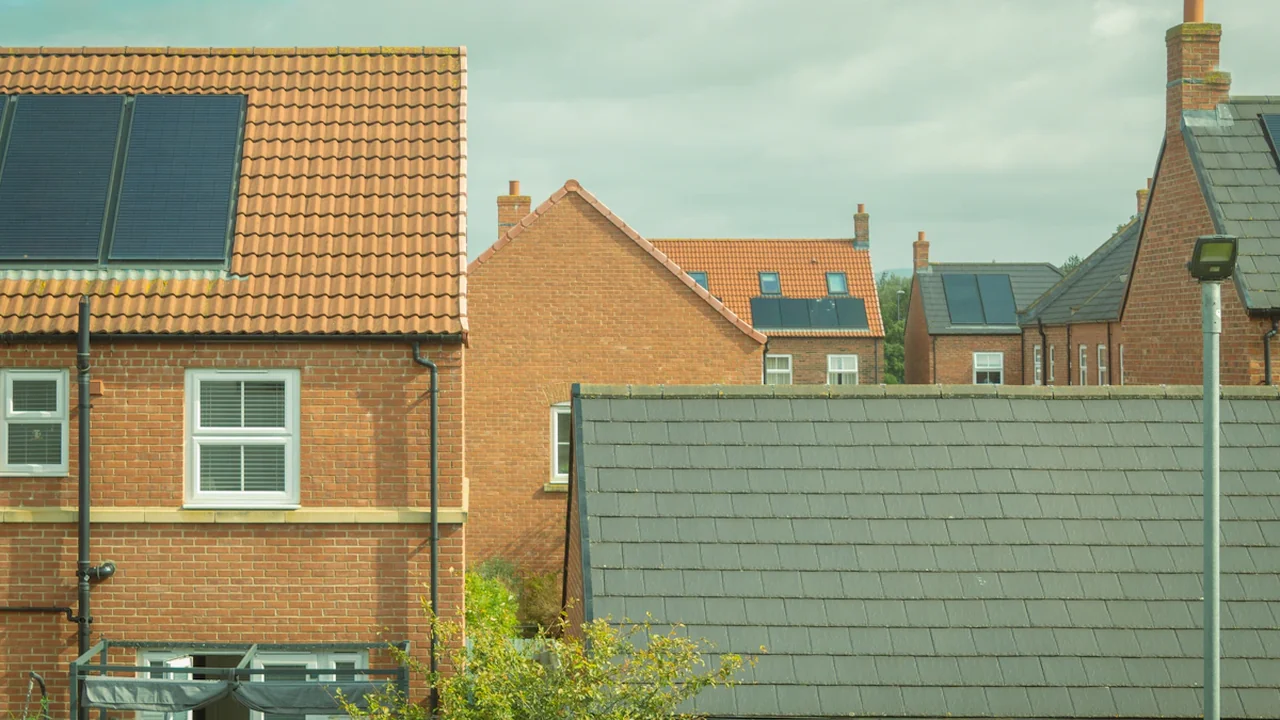
Before autumn heating raises your energy use, check that your UK bill is based on accurate meter readings, the right tariff and a realistic payment plan. Reviewing electricity and gas charges now can help you spot errors early; if something does not add up, contact your supplier and ask for an explanation before changing your direct debit.
How to read the main charges on your bill
A bill usually separates the energy you used from the fixed cost of having a supply. Check each fuel separately: electricity and gas can have different rates, meter readings and billing periods.
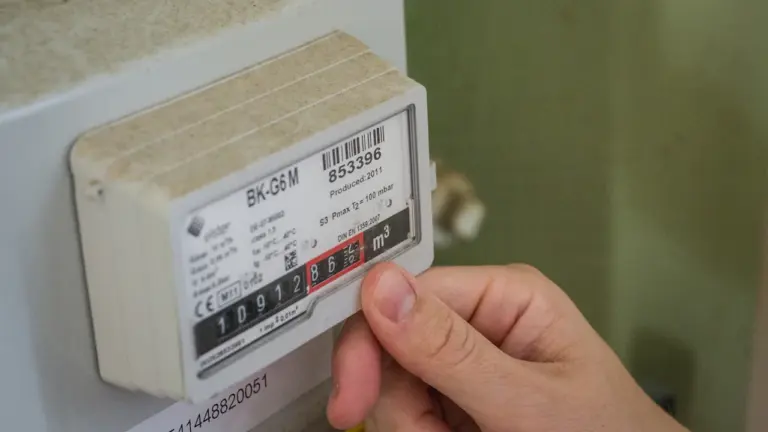
- Meter readings and usage: Look for the start and end readings and the period they cover. A reading marked “estimated” means the supplier calculated usage rather than using a reading from your meter. Compare estimated readings with your meter or smart meter records, and submit an up-to-date reading if your supplier allows it.
- Unit rate: This is the price per kilowatt-hour (kWh) of energy used. Check the rate for each fuel against the tariff details on your account. The price you pay depends on your tariff and circumstances.
- Standing charge: This is a daily charge for supplying your home, whether or not you use energy that day. It is separate from the cost of the electricity or gas you consume.
- Account balance and direct debit: The balance shows whether your account is in credit or debit at that point. A monthly direct debit is usually an amount collected toward expected costs over time; it is not necessarily the cost of the energy used that month.
Your bill may show VAT, discounts, adjustments or other account details too. If a line is unclear, ask your supplier to explain how it was calculated and which dates or readings it covers.
A five-minute energy bill check
Set aside a recent bill and your online account or meter information. Work through these checks before colder weather increases use:
- Check the billing dates. Confirm the bill covers the period you expect and look for gaps or overlapping periods.
- Check both meter readings. Note whether each is actual, customer-submitted, smart-meter or estimated. Compare the latest reading with the meter, taking care to use the correct register if your meter has more than one.
- Check the usage figures. Compare the kWh used with a similar period or your own records. A sudden jump can be real, but it may also follow an estimated reading being replaced by an actual one.
- Check the tariff for each fuel. Confirm the unit rates and standing charges match the tariff and effective dates shown in your account. Ask the supplier to explain any rate change you do not recognise.
- Check the balance and payment plan. Look at payments collected, charges added and the account balance. Ask how your monthly direct debit was set and when it will next be reviewed.
Keep a note or screenshot of readings, bill dates and any questions you send. That gives you a clear record if you need to follow up.
Why gas and electricity costs can move differently
Electricity and gas are billed as separate fuels, usually with separate unit rates and standing charges. Your home may use much more of one than the other: for example, heating, hot water and cooking arrangements affect which fuel drives your costs. Check each fuel’s kWh and charges independently instead of judging the whole bill by its total.
Autumn bills can rise as heating and lighting use changes, but one unusually warm month is not a reliable guide to winter costs. For a broader comparison, look at annual consumption in kWh for each fuel, ideally across a full year, and compare like-for-like periods. If your account has less than a year of readings, treat any annual projection as an estimate and ask how it was calculated.
What a credit balance does—and does not—tell you
A large credit balance means payments recorded so far exceed charges recorded so far. It does not automatically prove that your direct debit is correct or that the balance will remain available after colder months. The account may be based on estimated readings, seasonal payment assumptions or a period when your energy use was lower.
Check whether the balance reflects current meter readings and all recent bills. Ask your supplier to explain how it forecasts annual use and sets your payment amount. If you want a credit refund or a payment change, ask how that would affect the account through the rest of the year.
Warning signs that need a supplier check
Contact your supplier if you find a problem you cannot resolve through your account. Useful reasons to get in touch include:
- A meter reading on the bill does not match your meter, or usage is based on estimates for a long period.
- Your bill covers dates when you were not responsible for the account, or a reading appears on the wrong meter.
- A unit rate or standing charge differs from the tariff information you were given.
- A bill changes sharply without a clear explanation, such as a corrected reading or tariff change.
- Your direct debit has changed and you cannot see how the new amount was calculated.
Give the supplier the bill dates, meter readings and the specific charge you are questioning. Ask for a corrected bill or a written explanation where appropriate, and keep copies of the response.
What to do if you dispute a bill or payment
Raise the issue with your supplier promptly and explain what you believe is wrong. Keep paying attention to bills and payment dates while it is investigated. Do not cancel a direct debit during a dispute without first understanding the consequences: missed payments can affect your account and may lead to further charges or collection action under the supplier’s terms.
If you are worried that the proposed payment is unaffordable, tell the supplier and ask about available payment options or support. If the complaint is not resolved, check the supplier’s complaints process and current guidance from Ofgem before deciding what to do next. Tariffs, rules and consumer protections can change, so confirm current details with your supplier or Ofgem.
Source: Editorial research
Context & actions About this article
Source check How to check
This guide explains how to compare readings, charges and payments on a household energy bill.
- Compare billed readings with your meter or smart meter records.
- Check electricity and gas rates and standing charges separately.
- Use annual kWh consumption to compare usage across seasons.
- Scope
- United Kingdom
- Updated
- 2026-10-15 09:51
Source check
Report a trust issue
Send a clear signal to community moderation if the source, facts or context need review.


Comments