How to compare fuel costs for a UK autumn drive
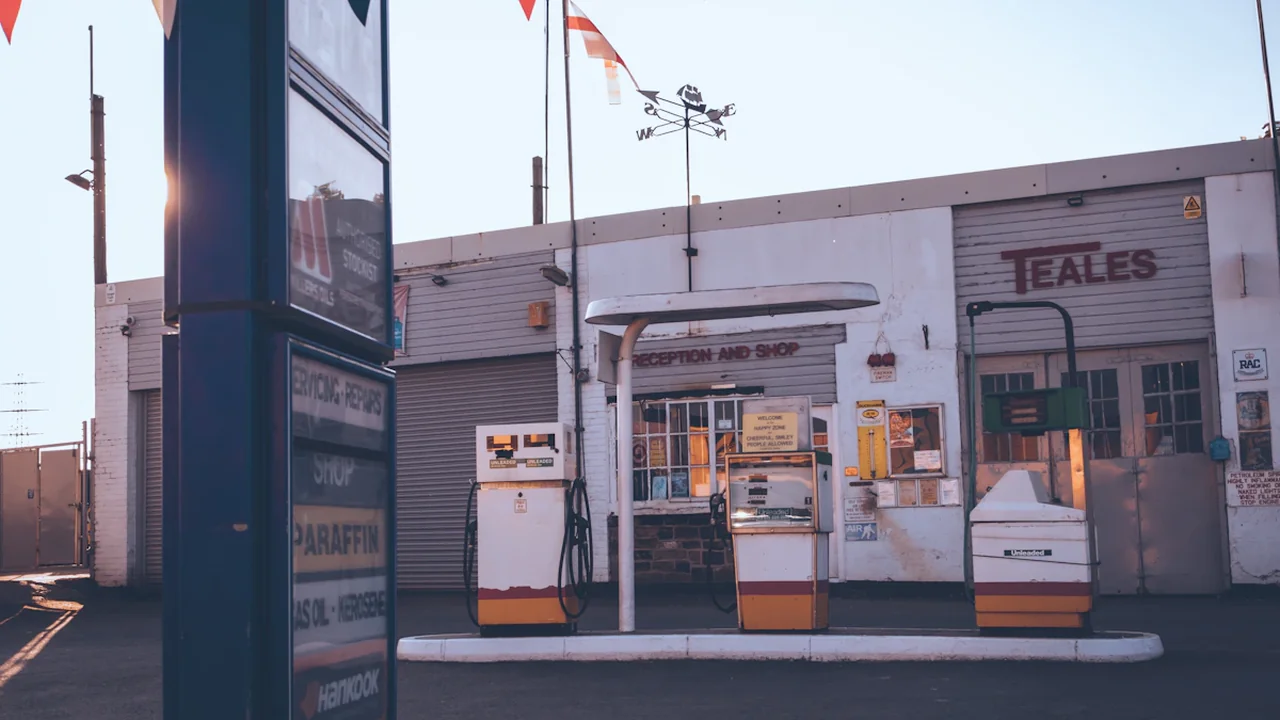
Planning an autumn drive in the UK? Compare current petrol or diesel prices near your route, then estimate how much fuel your own vehicle will use. The lowest price per litre may not be the cheapest choice overall if reaching that forecourt adds distance to your trip.
Check prices near your route
Before setting off, look up current prices at stations near your start point, along your route and close to your destination. Prices can vary between forecourts, even in the same area, and can change over time. Check when a price was reported and confirm it before you rely on it.
The Competition and Markets Authority (CMA) publishes road fuel price transparency information and monitoring material for UK petrol and diesel markets. Its collection provides context about the market and its monitoring; it does not mean that every listed forecourt price is current or covers every station. Use location-specific prices for your comparison.
A useful shortlist might include a station you would pass anyway, one near a planned stop and one close to your destination. Compare like with like: petrol prices with petrol prices, or diesel with diesel, and note whether the price applies to the fuel grade your vehicle needs.
Estimate the fuel your journey will use
Use your planned route distance and your vehicle’s realistic fuel economy. If your car’s economy is shown in miles per gallon (mpg), convert it to litres per 100 kilometres (L/100 km) or use a consistent unit conversion before calculating. You can also use a trip computer’s recent average as a starting point, while remembering that it is an estimate.
For a vehicle measured in L/100 km, calculate fuel needed as:
Distance in kilometres × fuel economy in L/100 km ÷ 100 = litres needed
Then calculate the fuel cost:
Litres needed × price per litre = estimated fuel cost
For mpg, the equivalent calculation is:
Distance in miles ÷ miles per gallon = gallons needed
Convert gallons to litres before multiplying by a price quoted per litre. UK mpg uses imperial gallons, so check that your economy figure and conversion use UK units rather than US gallons.
Compare the total cost, including detours
Apply the same route distance and fuel economy to each price you are considering. If one station requires a detour, add those extra miles or kilometres to the journey before calculating. A lower pump price can be outweighed by the fuel used to reach it, particularly when the detour is long or the saving per litre is small. For a practical way to compare local fuel prices and weigh a detour against the saving, compare the full trip cost.
Also consider whether the stop fits your plans. A station you pass naturally may make more sense than a cheaper one that adds time and distance. On a longer journey, compare options at planned breaks rather than assuming you need to fill the tank at the cheapest station you can find.
Make the estimate realistic for autumn
Your actual fuel use can differ from the figure on a dashboard display or vehicle specification. Congestion, frequent stops, speed, hills, cold starts, weather, passengers and luggage can all affect consumption. A heavily loaded car or a slow, stop-start section may use more fuel than a steady journey on an open road.
Treat the result as a planning estimate, not a guaranteed bill. If you are budgeting closely, allow a margin for changing conditions and avoid relying on a single old price report. Recheck prices near departure, especially if your route or stop plans change.
A quick pre-drive comparison
Before choosing where to refuel:
- Check recent prices at several stations close to your actual route.
- Confirm the fuel type and grade your vehicle requires.
- Use your planned distance and a realistic fuel economy figure.
- Include any extra distance needed to reach a lower-priced station.
- Recheck the price and route shortly before you leave.
The CMA’s fuel market monitoring can help explain the wider UK market, while the best option for an individual trip depends on current local prices, your vehicle and the route you will actually drive.
Source: Competition and Markets Authority
Context & actions About this article
Source check How to compare
The trip estimate uses route distance, vehicle fuel economy and a current local price per litre; actual fuel use and forecourt prices can vary.
- Check when each forecourt price was reported.
- Use the fuel type and grade your vehicle needs.
- Include the distance to reach a station in your route comparison.
- Source
- Competition and Markets Authority
- Scope
- United Kingdom
- Updated
- 2026-10-28 11:01
Source check
Report a trust issue
Send a clear signal to community moderation if the source, facts or context need review.


Comments