How to Compare UK Petrol and Diesel Prices Before You Fill Up
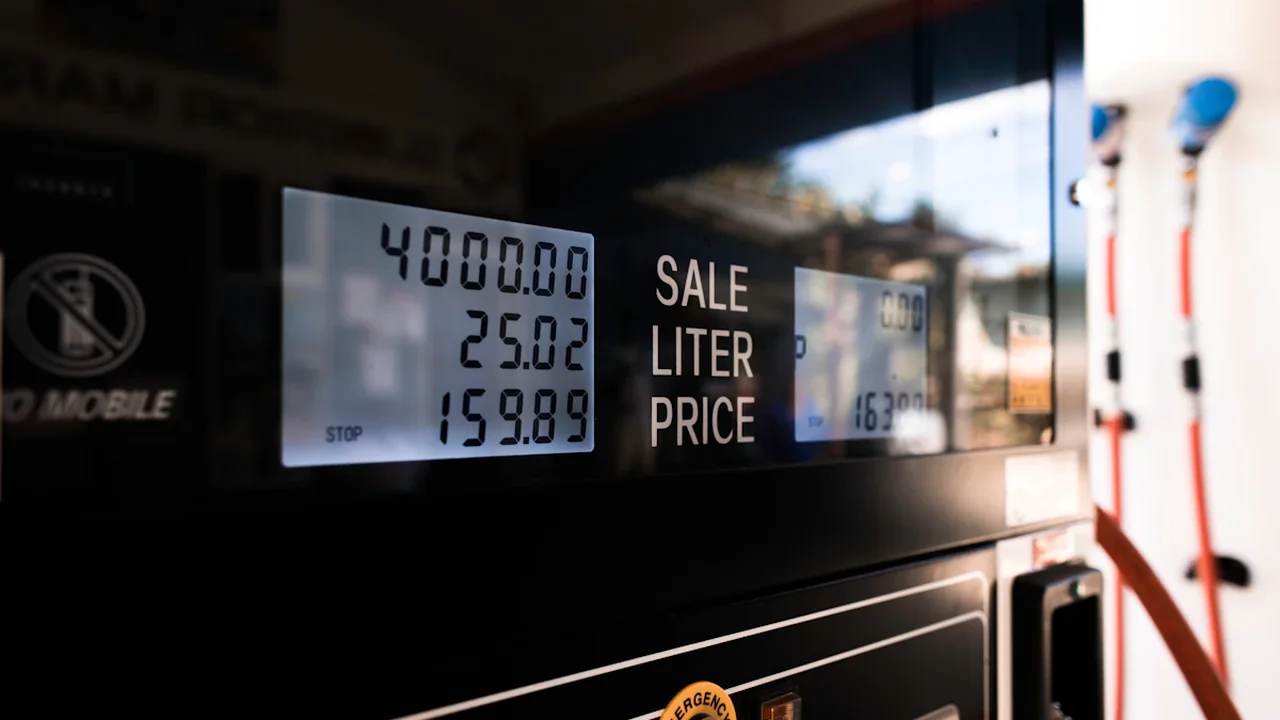
Compare the price at nearby forecourts before you set off, then use your car’s tank size and the pump price to estimate the bill. RAC Fuel Watch gives a useful UK average for petrol and diesel, but it is a national benchmark, not a quote for the station nearest you. Check local prices and the RAC page on the day you plan to refuel; averages and pump prices can change.
Check the latest UK fuel averages and nearby prices
RAC Fuel Watch tracks average UK petrol and diesel prices and comments on movements. Its displayed figures and update date should be checked at the time you use them. Because no current RAC figure is provided here, this guide does not quote a dated average.
Use the average to understand the wider picture, then check the prices at stations you could realistically visit. Compare like with like: petrol with petrol, diesel with diesel, and the same grade where a station offers several. A nearby price can differ from the national figure, so do not use the average as a promise of what you will pay.
Before leaving, check a current local price listing or the station’s own information, if available. Confirm the price at the pump when you arrive, as listings may be delayed or a displayed price may have changed.
Why fuel prices differ between forecourts
Stations set prices in different local conditions. Their costs, competition from other nearby forecourts, location and customer demand can all affect the price. A station on a major route may charge differently from one in a town or at a supermarket; the difference is not explained by the national average alone.
Prices can also vary by fuel type and grade. Make sure a comparison matches the fuel your vehicle needs. Check whether a seemingly cheaper option is available to your vehicle and whether it requires a longer journey or an additional stop.
Estimate the cost of a fill-up from the pump price
A simple estimate uses the number of litres you expect to buy and the displayed price per litre:
Estimated cost = litres bought × price per litre
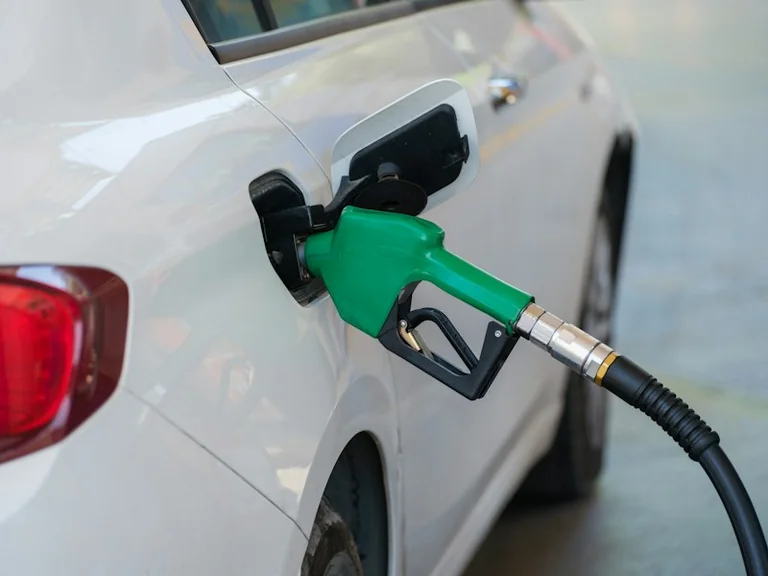
For example, if you buy 40 litres at £1.50 per litre, the fuel costs £60: 40 × £1.50 = £60. This is an illustrative calculation, not a current UK price. Your actual spend depends on how many litres you put in and the pump price when you refuel.
Your tank’s stated capacity can help you estimate a full tank, but most fill-ups are not from empty. If you know roughly how many litres you need, use that amount instead of the tank’s total capacity. For instance, a 50-litre tank filled with 40 litres at £1.50 per litre would still cost £60, not £75.
To compare two prices, multiply the difference per litre by the litres you expect to buy. If one station is 4p per litre cheaper and you buy 40 litres, the gross saving is £1.60: £0.04 × 40. This calculation covers the fuel-price difference only; it does not include the cost of driving farther.
Check whether a detour is worth the saving
A lower price may not save money once you account for the extra journey. Estimate the fuel needed for the detour and compare its cost with the saving on the litres you plan to buy. Time, traffic and whether the station is already on your route matter too.
Using the example above, a 4p-per-litre difference saves £1.60 on a 40-litre purchase. If the extra trip costs more than £1.60 in fuel, the detour costs more than it saves. Even if the fuel cost is lower, the small saving may not be worthwhile for the added time or distance.
A practical comparison is:
- Check several stations close to your route.
- Work out the saving on the amount you expect to buy.
- Consider the extra distance and fuel required to reach the cheaper station.
- Recheck the pump price before making a special trip.
For many drivers, the best choice is a reasonably priced station they can reach during a journey they already need to make. Recheck RAC Fuel Watch’s displayed date and averages when comparing the wider trend, and verify the local pump price before you turn off your route.
Source: RAC
Context & actions About this article
Source check Price and cost guide
RAC Fuel Watch provides UK average price information, while the examples show how to calculate fuel costs and are not current price quotes.
- Check the RAC page's displayed figures and update date.
- Compare the local price for the fuel type and grade your vehicle uses.
- Confirm the pump price before making a special trip.
- Source
- RAC Fuel Watch
- Scope
- United Kingdom
- Updated
- 2026-10-22 08:44
Source check
Report a trust issue
Send a clear signal to community moderation if the source, facts or context need review.



Comments