How to Compare UK Petrol and Diesel Prices Near You

UK drivers can use the Department for Energy Security and Net Zero’s weekly petrol and diesel figures as a national benchmark, then compare them with prices at nearby forecourts before choosing where to fill up. The figures are published weekly, so check the release date as well as the fuel type: the national average is not a live quote for a particular station.
Check the date before comparing prices
The government’s weekly road-fuel prices collection provides the latest published figures for UK petrol and diesel. The collection page links to weekly releases; use the figures in the newest available release and note the date attached to them.
No verified release date or price figures were provided. For that reason, it does not state a current price or imply that a price changed on 12 October 2026. Check the collection directly for the latest published data before making a comparison.
Use the national average as a benchmark
A national average can help you judge whether a nearby pump price is above or below a broad UK reference point. It describes an average across the data collected for that release. It does not promise that a station will charge that amount, or show that every driver can find a cheaper option nearby.
Compare like with like: petrol with petrol, diesel with diesel, and the same measurement and release period. A difference between two figures is useful context, but it does not by itself explain why a local price is higher or lower.
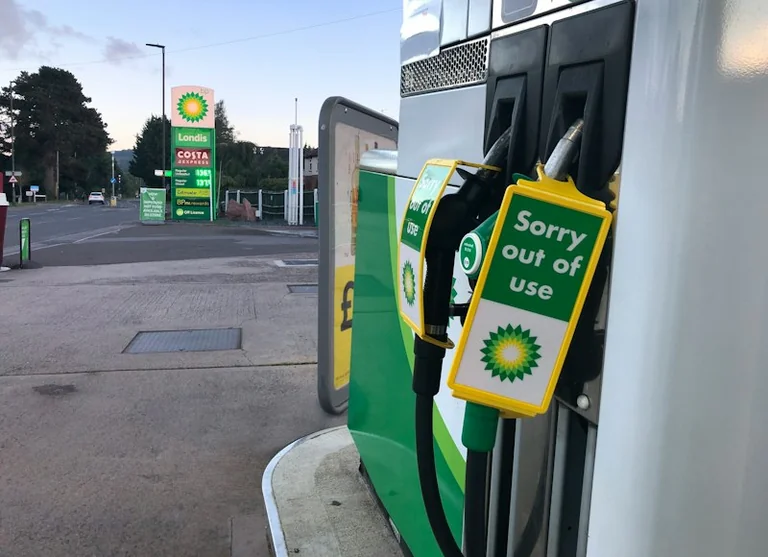
Compare the figures with nearby forecourts
For a practical check before you fill up:
- Open the latest weekly release and record its publication or data date.
- Find the petrol or diesel figure that matches the fuel you need.
- Check prices at nearby stations and confirm when those local prices were last updated.
- Compare the same fuel type and units, then consider how far you would need to drive to reach another forecourt.
- Recheck the pump price when you arrive; posted or app-listed prices can differ from the price available at the time of purchase.
A small price gap may not make a detour worthwhile. Estimate the extra distance and time, and weigh them against the amount of fuel you plan to buy. The best comparison is one that considers both the displayed price and the cost of getting to the station.
Why local prices can differ
The weekly national figure and an individual forecourt price answer different questions. The average is a broad benchmark for its release period; a pump price is a local price that can vary by station, fuel type and date. A release published earlier in the week may also reflect a different point in time from a price checked today.
Use the government collection to understand the latest published national reference, and use current local listings or the forecourt itself to confirm what a nearby station is charging. The release date and local price check are the key details to revisit whenever you compare options.
Source: GOV.UK
Context & actions About this article
Source check How to compare
The government collection provides weekly national figures; local forecourt prices can vary by station, fuel type and date.
- Check the date of the newest published release.
- Compare petrol with petrol and diesel with diesel.
- Confirm the local price and when it was checked.
- Source
- Department for Energy Security and Net Zero
- Scope
- United Kingdom
- Updated
- 2026-10-12 09:39
Source check
Report a trust issue
Send a clear signal to community moderation if the source, facts or context need review.



Comments