How to Estimate the Cost of a UK Car Journey
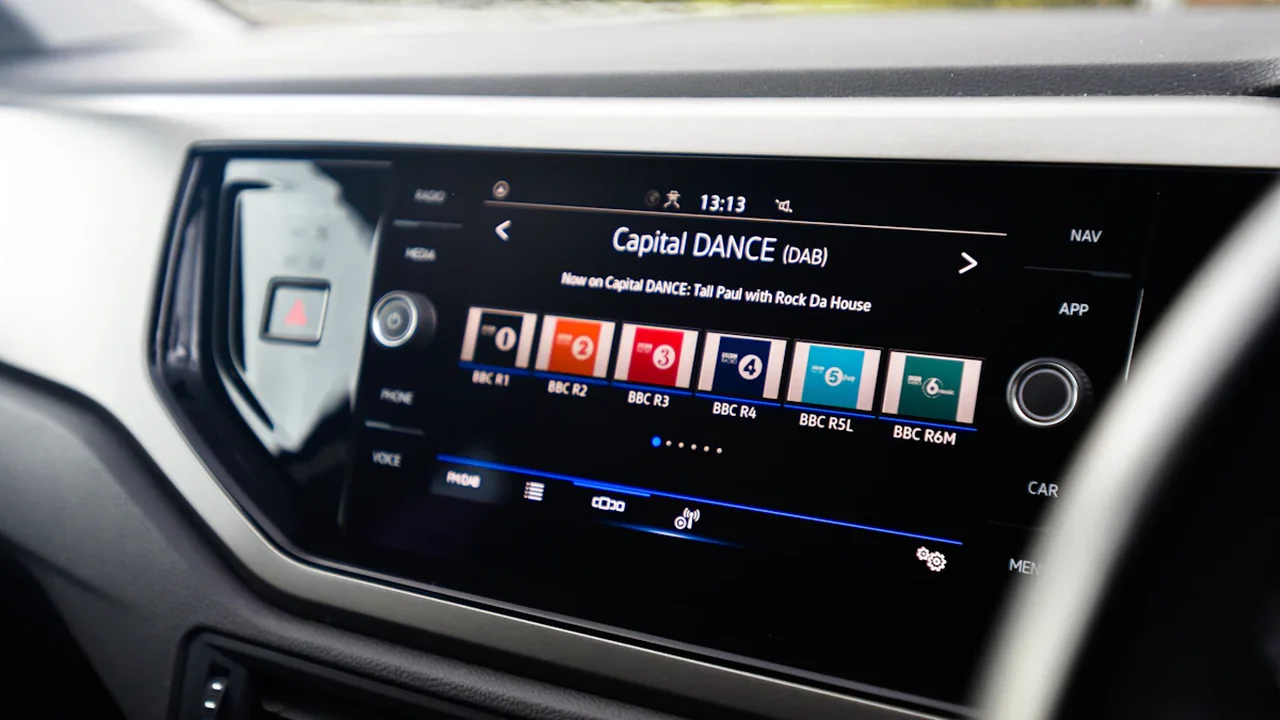
A trip’s fuel cost depends on your vehicle’s real-world miles per gallon, the distance you drive and the price at the pump you use. The UK government’s weekly road fuel statistics provide a national benchmark, but they cannot tell you the price at a particular forecourt. For a useful household budget, combine the official average with a local station price and treat the result as an estimate.
The simple calculation for a journey
First, work out how many litres your vehicle is likely to use. UK miles per gallon (mpg) measures miles travelled per imperial gallon; one imperial gallon is about 4.546 litres.
Fuel used in litres = journey miles ÷ mpg × 4.546
Then multiply the estimated litres by the pump price in pounds per litre:
Estimated fuel cost = litres used × price per litre
If you know the price in pence per litre, divide it by 100 to convert it to pounds. For example, 150p per litre is £1.50 per litre.
Use the distance for the whole trip. If you are planning a return journey, double the one-way distance unless your route home is different. For journeys measured in kilometres, convert the distance to miles first by dividing by 1.609.
Worked example: a 30-mile trip
Suppose a car averages 40 mpg, the journey is 30 miles, and the local pump price is £1.50 per litre. These figures are examples only, not a current price or a claim about a particular vehicle.
- Fuel used: 30 ÷ 40 × 4.546 = about 3.41 litres.
- Estimated cost: 3.41 × £1.50 = about £5.12.
For a 60-mile return trip at the same assumed mpg and price, the estimate would be about 6.82 litres and £10.23. Small differences in distance, traffic, driving style or the price paid can change the actual total.
Find a suitable mpg figure for your car
The official fuel economy figure can be a useful starting point, but your car may use more fuel in everyday driving. Congestion, short journeys, speed, weather, passengers, luggage and vehicle condition all affect consumption. A trip involving slow urban traffic may not match a figure measured in different conditions.
For a more personal estimate, use the mpg you typically see on similar journeys, if your car displays it. You can also calculate an observed figure over a period: note the miles travelled and the litres used when refuelling, then convert the result to imperial mpg. One simple approximation is miles ÷ litres × 4.546. A longer period or several fill-ups can smooth out the effect of small measurement differences.
If you do not have a reliable figure, calculate a range using a lower and a higher mpg assumption. That makes the uncertainty visible instead of implying the trip will use exactly the estimated amount.
Use the government average as a benchmark
The Department for Energy Security and Net Zero publishes UK road fuel price data and related petroleum product statistics. Check the government’s road fuel and petroleum product price collection for the latest available release and its coverage.
A national average helps you compare a local quote with a broad UK benchmark. It is not a live reading from every station, and it does not guarantee that a nearby forecourt sells fuel at that price. Prices can vary by location, station and time, so use the latest local price you can confirm for your actual journey.
When checking the government release, note its publication date, the period the figures cover and whether the figure is for petrol or diesel. Avoid mixing a petrol price with a diesel calculation, or treating a weekly average as today’s price at a specific pump.
Compare nearby forecourts before you set off
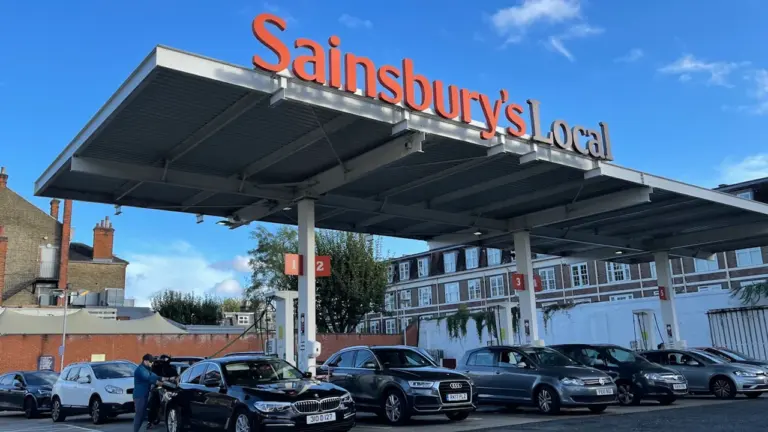
Check prices at stations near your route, including any small detour needed to reach them. Use a station’s own published price or a fuel-price service that shows when its information was last updated. If the date or source is unclear, confirm the price directly before relying on it.
A lower price per litre does not always mean a cheaper stop overall. If reaching a cheaper station adds several miles, estimate the extra fuel for that detour as well. For a small difference in pump price, the extra distance could cancel out the saving.
For a straightforward comparison, keep the assumptions consistent:
- Use the same vehicle mpg and journey distance for each station.
- Compare the same fuel type and price units.
- Include the distance to and from a detour, if relevant.
- Check the price close to your departure, since the pump price can change.
What the estimate leaves out
This calculation covers fuel only. It does not include parking, tolls, charging costs for a hybrid or electric vehicle, or other journey expenses. It also cannot predict your exact fuel use: traffic, route changes and driving conditions may cause the actual amount to differ.
For a household budget, use a realistic mpg figure, the current local price you can verify and a little room for variation. Check the latest government weekly release for context, then recheck the forecourt price before travelling if the estimate depends on a small price difference.
Source: UK Government, Department for Energy Security and Net Zero
Context & actions About this article
Source check How the estimate works
The trip-cost example uses hypothetical distance, fuel economy and pump price; the government release provides a UK benchmark, not a live price for an individual station.
- Check the date and coverage of the latest government release.
- Use the correct petrol or diesel price for your vehicle.
- Confirm the local station price before travelling.
- Source
- Department for Energy Security and Net Zero
- Scope
- United Kingdom
- Updated
- 2026-10-17 07:35
Source check
Report a trust issue
Send a clear signal to community moderation if the source, facts or context need review.

Comments