How to Fit Easy Movement Breaks Into a Desk Workday
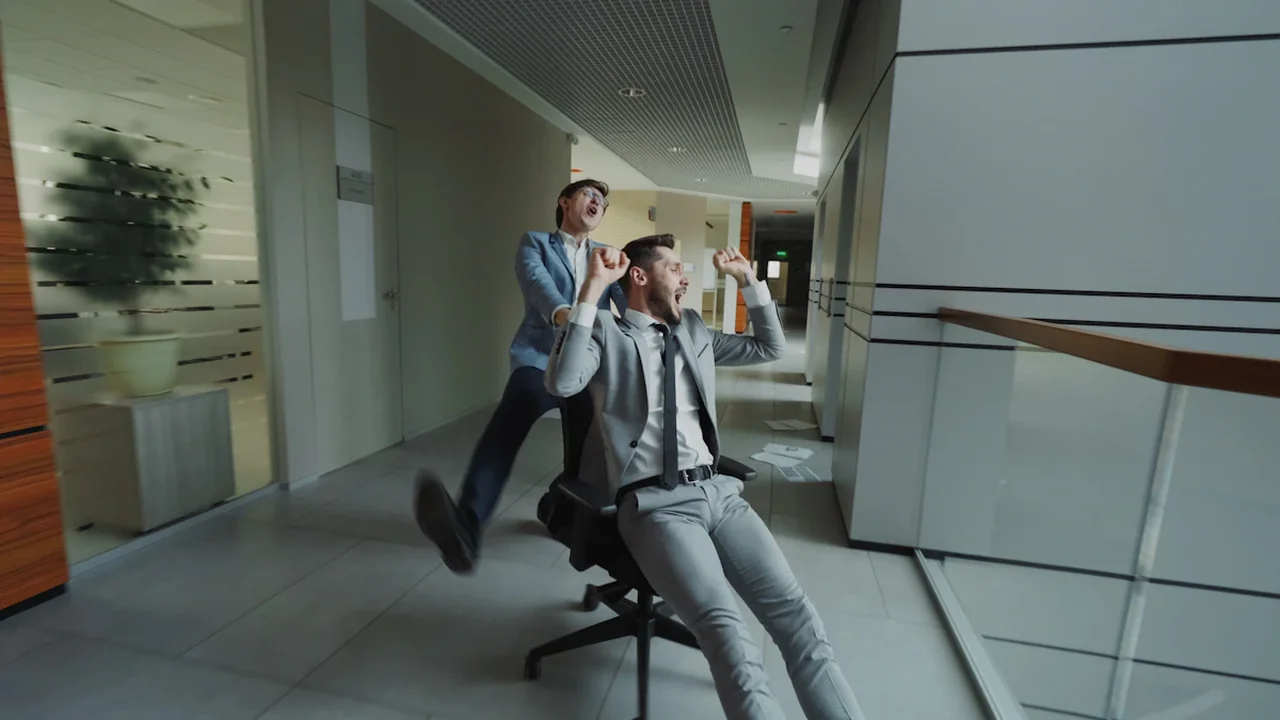
Long desk sessions can include brief chances to stand, walk or move gently without following a strict schedule. Choose a pattern that fits your work: stretch between tasks, walk while listening on a call, or change position when you naturally finish a focused block. The aim is a comfortable routine you can repeat, not a medically required interval.
Start with a cue that already happens
A movement break is a short change from staying in one position. It might mean standing to refill water, walking down the hall, or rolling your shoulders beside your desk. It does not need special equipment or a set number of minutes.
Link the break to something already in your day. For example, stand after sending a report, walk after a meeting, or gently move while a document loads. A familiar cue can make the habit easier to remember than an alarm that interrupts you at arbitrary times.
Try one cue for a few workdays. If it regularly clashes with deadlines or calls, choose another. A workable pattern is more useful than an ambitious plan you quickly abandon. The cue can be as simple as finishing a task; you do not have to pause in the middle of work that needs your attention.
Match the movement to the work
Different parts of the workday offer different opportunities. Keep movement simple enough that you can return to the task without losing your place.
- During a phone or audio call: If it is safe and appropriate, stand or take a slow walk somewhere you can hear clearly. Keep notes and a route back to your desk in mind.
- Between meetings: Stand, change position, or take a short walk before opening the next call. Even a brief pause can create a natural transition.
- During focused work: Use a completed task or a natural stopping point as a cue. Stand, stretch gently, or walk for a moment, then return to the next step.
- When you cannot leave the desk: Try a comfortable seated position change, shoulder rolls, or gentle ankle movement. You can also stand beside the desk if the space and your balance allow it.
These are options, not a checklist. Pick the movement that fits your space, clothing, concentration and comfort that day. If a call requires active participation or note-taking, staying seated may be the more practical choice.
Make a repeatable pattern without a rigid timer
A simple plan can help you remember to move while leaving room for work to vary. Choose one or two cues you already encounter, then decide on an easy action for each.
For example: “After my first meeting, I’ll walk to refill my water,” or “When I finish a long task, I’ll stand and gently stretch before starting another.” If you prefer reminders, set one that you can snooze or ignore during a call or deadline. A reminder is a prompt, not an instruction to interrupt work at a difficult moment.
Notice whether the plan feels easy to repeat over a normal week. If you keep dismissing reminders, reduce their frequency or attach movement to a more reliable cue. If you already get up often, you may not need another prompt. The useful measure is whether the pattern fits your working day, rather than whether you follow a fixed schedule.
Adapt movement to your space and mobility
There is no single version of a movement break that suits everyone. A small office, shared workspace, home setup or mobility limitation may change what feels practical.
- In a small space, stand beside your chair or change your seated position.
- If walking is difficult, choose a comfortable movement you can do safely while seated, if that works for you.
- If you work on calls, use movement only when it will not interfere with listening, note-taking or participating.
- If reminders add stress, use natural transitions instead of a timer.
- If standing is uncomfortable, stay seated or choose another position that feels manageable.
Keep the movement gentle and within your usual ability. You do not need to turn a pause from desk work into a workout. If one option does not feel comfortable in your setup, changing position or skipping that movement is a reasonable adjustment.
Pay attention to discomfort and safety
Stop or change the activity if it causes pain, unusual shortness of breath, dizziness or feeling unsteady. Sit or rest somewhere safe if you feel faint. Avoid walking during tasks that require close attention to a screen, careful handling of equipment, or a stable connection to a meeting.
If you have pain, dizziness, a health condition, or mobility limits that make movement uncertain, adapt the activity or ask a qualified health professional for advice. This guide offers general workday ideas, not individual medical guidance.
Frequently Asked Questions
What counts as a movement break during a desk workday?
A movement break is a brief change from staying in one position. You could stand to refill water, walk during an audio call, or roll your shoulders before starting the next task. It does not require equipment or a fixed duration.
How can I remember to move without setting alarms?
Choose a cue that already happens in your workday, such as finishing a report, ending a meeting, or waiting for a file to load. When the cue occurs, pick a simple movement you can do safely, then return to work. Try the pattern for a few days and switch cues if it disrupts your schedule.
What if I’m too busy or can’t leave my desk?
Keep the break small and suited to the moment. Between calls, stand or change position; while seated, try gentle shoulder rolls or ankle movements. During focused work, wait for a natural stopping point so you can resume without losing your place.
How often should I take a movement break?
There is no single interval required by this approach. Look for natural transitions in your day and choose a pattern you can repeat comfortably. If a cue repeatedly conflicts with deadlines or calls, adjust it rather than forcing a schedule.
What should I do next to make the habit stick?
Pick one existing workday cue and pair it with one easy movement for the next few workdays. Notice whether it fits your workload, then keep or adjust the pairing. For workplace-specific guidance, check your employer’s health and safety resources.
Source: Editorial research
Context & actions About this article
Source check About this guide
These practical examples are flexible ideas for adding comfortable movement to desk work, not individualized medical advice.
- Choose a movement that feels comfortable and fits your work
- Adapt the activity to your space and mobility
- Seek professional advice if pain or dizziness makes movement uncertain
- Scope
- International
- Updated
- 2026-10-08 13:35
Source check
Report a trust issue
Send a clear signal to community moderation if the source, facts or context need review.



Comments