Locked Door Dream Meaning: Boundaries, Delays and Choice
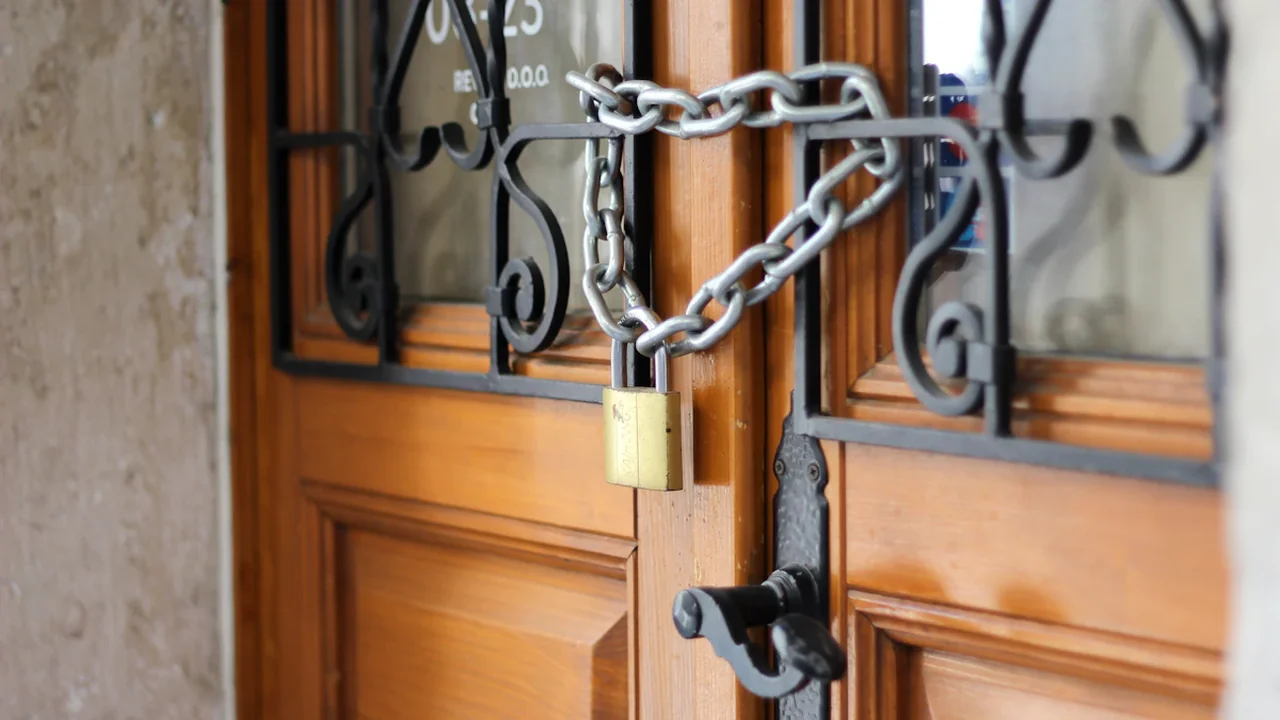
A locked door in a dream can feel like a barrier, a safeguard or a pause in the middle of a journey. Its meaning is personal: the detail worth exploring is what the door seemed to do, and how you felt when you reached it.
Doors have long appeared in stories as thresholds between places, stages or possibilities. That makes a locked doorway a useful image for reflection, but it does not give the dream a fixed interpretation or predict what will happen. Your circumstances and the scene itself matter more than a universal symbol dictionary.
What the locked door was doing in the dream
Start with the door’s role. A door that protected a room may bring to mind privacy, safety or something you are not ready to share. If you were trying to get in, consider what felt important or unavailable. If you were trying to keep someone out, the image may prompt questions about boundaries and access.
A locked door can also interrupt movement. Perhaps you were headed somewhere, following another person or trying to finish a task when the route stopped. In that case, the dream may be a way to reflect on a plan that feels delayed or on a choice that is not yet clear. It does not establish that a real plan is doomed or that an outside force is blocking it.
The difference between protection and obstruction can be useful. Did the lock feel reassuring, frustrating, frightening or simply inconvenient? The emotion does not prove what the dream means, but it can point you toward the part of the scene that stayed with you. For a related reflection on access and privacy, consider lost keys in dreams.
Questions to ask about boundaries and plans
Rather than asking for one definitive translation, connect the scene to your waking life with a few specific questions:
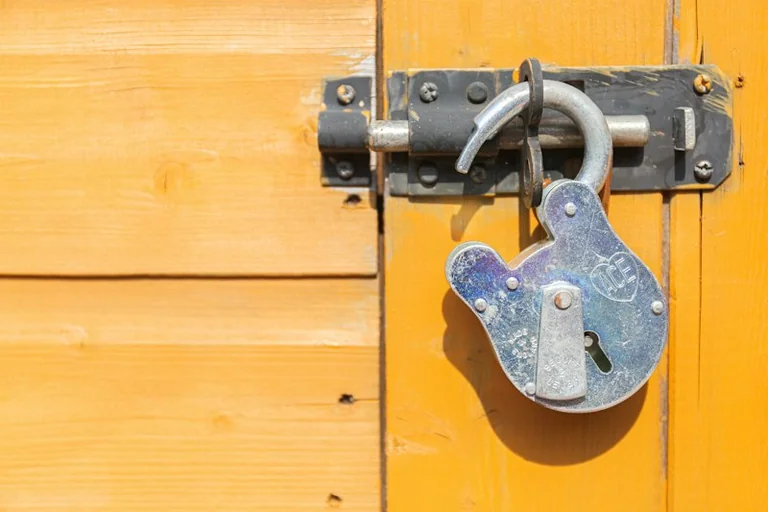
- Was I trying to enter, leave, protect a space or reach a destination?
- Did I know what was behind the door, or was the unknown part of the tension?
- Did I feel safer because it was locked, or trapped because it was?
- Is there a boundary I want to set, respect or reconsider?
- Is a current plan waiting on a decision, permission, timing or information?
Keep the questions open. A locked door may resonate with a relationship, a work decision, a personal goal or nothing in particular. If no real-life situation comes to mind, you do not need to force a connection.
Details that can change the scene
A familiar front door can make the dream feel connected to home or arrival; an unfamiliar door may emphasize uncertainty. A door that would not open despite repeated effort creates a different scene from one you chose not to unlock. Someone else holding the key, or standing on the other side, can shape the dream’s social context without assigning that person a fixed symbolic role.
Notice whether the lock was the central obstacle or just one detail. The hallway, destination, people present and what happened next can matter as much as the door. A dream that ends with you walking away, finding another route or waiting has a different sequence from one that leaves you struggling at the handle.
These are prompts for personal reflection, not diagnostic signs. A single image cannot establish a hidden motive, explain a mental health condition or reliably forecast an event.
A short way to record the dream
Writing down the scene soon after waking can preserve details that fade quickly. Keep the record descriptive before trying to interpret it. For example:
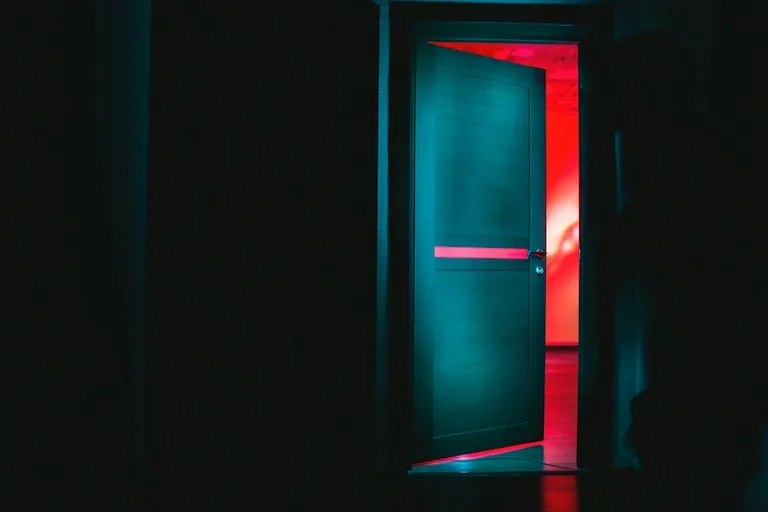
I stood in front of a locked door on the way to a place I recognized. I felt impatient, but I did not know what was behind it. I woke before trying another route.
Then add what, if anything, feels familiar in your life right now. You might write that a decision is taking longer than expected, or that you are unsure whether you want access to something. If there is no clear connection, leave the question open and revisit it later only if it remains useful.
When a locked door may simply be a dream detail
Not every vivid image needs a deeper explanation. Dreams can combine memories, concerns and ordinary fragments in ways that do not resolve into one message. The same locked door could suggest privacy to one person and delay to another, while carrying no lasting significance for someone else.
The most grounded interpretation is the one that stays close to your own scene: what the door protected or prevented, where you were trying to go, and what choice felt available. Treat the image as a starting point for questions about boundaries and plans, rather than as a rule about what you must do.
Source: Editorial research
Context & actions About this article
Source check Reflection note
Dream images do not have one established meaning, so these questions are prompts for personal reflection rather than predictions or diagnoses.
- Consider what the door protected or prevented in the dream.
- Notice your feelings and the route or destination in the scene.
- Connect the image to waking life only if the connection feels relevant.
- Scope
- International
- Updated
- 2026-10-13 09:34
Source check
Report a trust issue
Send a clear signal to community moderation if the source, facts or context need review.




Comments