The Great Storm of 1987 and the UK’s warning lessons
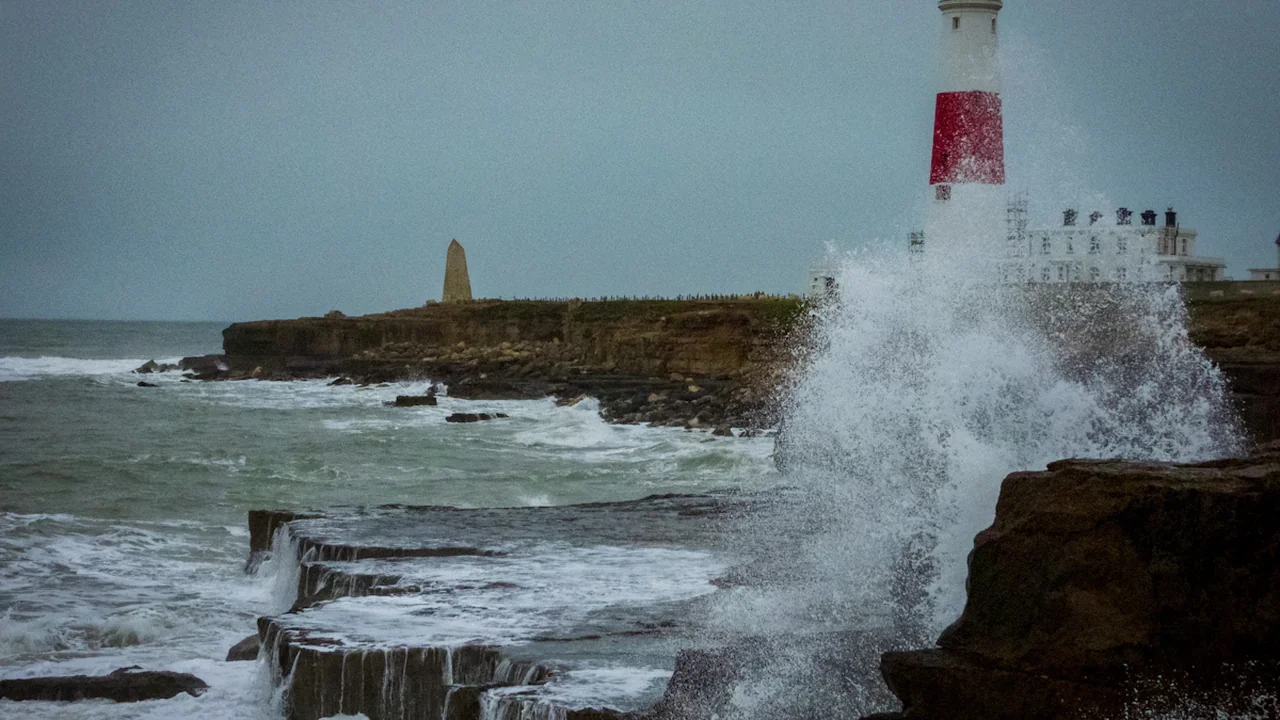
On the night of 15–16 October 1987, a severe storm struck southern England, bringing damaging winds and widespread disruption. Its anniversary is an opportunity to look at what followed: how forecasting and public warnings changed, and why a warning still depends on people being able to understand and act on it.
The Met Office’s historical case study provides an account of the storm. Its scale and consequences are often described through casualty and damage figures, but those numbers should be checked against authoritative records before being repeated. The enduring lesson is clearer: forecasts, warnings and public response all matter when dangerous weather approaches.
What happened during the Great Storm
The storm hit southern England overnight, when many people were asleep. Strong winds brought down trees and caused extensive damage and disruption. The event became a defining case in the UK’s modern history of severe weather and forecasting.
The Met Office documents the event in its Great Storm case study. That history offers an anchor for the anniversary, but precise totals for deaths, injuries, damaged buildings or losses require careful sourcing. Different accounts may count impacts in different ways, so figures should not be treated as interchangeable without checking their definitions and original records.
The timing made communication especially important. A forecast has limited value if its implications are unclear, if a warning does not reach people in time, or if the public does not know what practical precautions to take. The storm raised questions about each part of that chain: forecasting the conditions, communicating the risk and enabling a response.
How forecasting and warnings changed
Forecasting has developed through improvements in observations, computing and the ways meteorologists analyse weather systems. Modern forecasts can draw on more detailed data and modelling than was available in 1987. That supports better assessment of where severe conditions may occur and how they may develop, though forecasts still contain uncertainty.
Warning systems have also evolved. The public is now used to receiving alerts through several channels, alongside information published by official services. The aim is to describe the expected hazard and its likely effects in language that helps people decide what to do. A warning must be timely and understandable as well as technically sound.
These are connected stages, rather than separate fixes. Better information about a weather system can support a forecast; a forecast needs to be translated into a clear account of the risk; and people need enough time and information to respond. A weakness at any stage can reduce the practical value of the whole process. The broad lessons associated with the storm are therefore to communicate risk clearly, make warnings actionable, and ensure forecasts and public information work together.
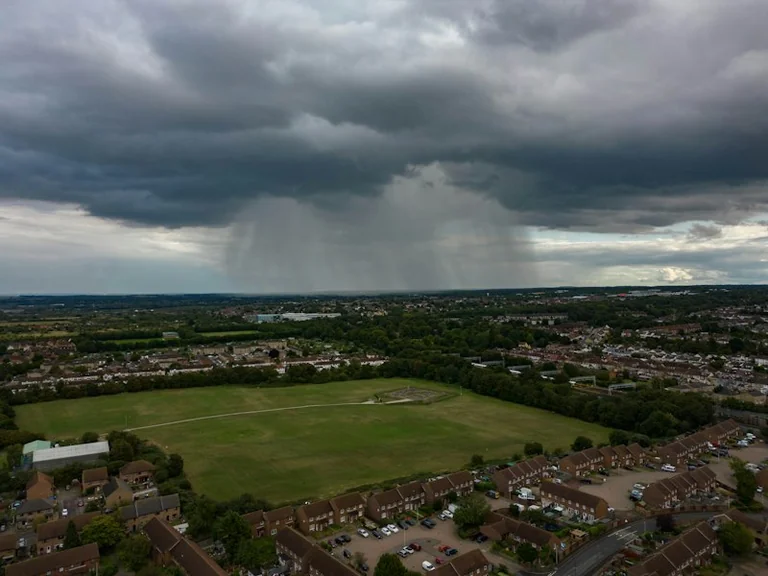
Those safeguards cannot guarantee that every storm will be predicted precisely. Forecasts describe evolving conditions, and uncertainty remains part of assessing where and when severe weather may occur. Clear warnings help people understand the risk without implying certainty beyond what the forecast supports.
What people can learn from warnings today
For the public, the useful habit is to check current official information when severe weather is forecast, rather than relying on an old headline or a single social post. Read warning details for the places and time periods affected, and follow the recommended actions from local authorities and emergency services.
Warnings also need to account for how people receive information. Some may not see a notice immediately; others may need accessible formats or help preparing. Clear, repeated communication can make a difference, especially when conditions are expected overnight or could disrupt travel and services. The 1987 storm is a reminder that the timing and clarity of a warning matter alongside the forecast itself.
The Great Storm is a historical example, not evidence about today’s weather. Its anniversary does not imply that similar conditions are expected now. For a current risk, consult the Met Office’s latest forecast and warnings, which can change as conditions develop.
The lasting significance of October 1987
The storm remains an important reference point because it showed that severe weather is both a forecasting challenge and a public communication challenge. Better data and warning channels have changed what is possible since 1987, while the core task remains: explain what may happen, where and when, and what people can do in response.
Revisiting the event on its October anniversary helps explain why weather warnings are part of public safety. It also keeps the historical record distinct from any forecast for the present day.
Source: Met Office
Context & actions About this article
Source check Historical context
The Met Office’s Great Storm case study anchors this account; precise casualty and damage totals are not stated without corroborating authoritative records.
- Met Office historical case study of the Great Storm
- Distinguish the 1987 anniversary from current weather conditions
- Source
- Met Office
- Scope
- Southern England, United Kingdom
- Updated
- 2026-10-16 08:23
Source check
Report a trust issue
Send a clear signal to community moderation if the source, facts or context need review.


Comments