UK fuel prices: compare pumps and keep your detour saving
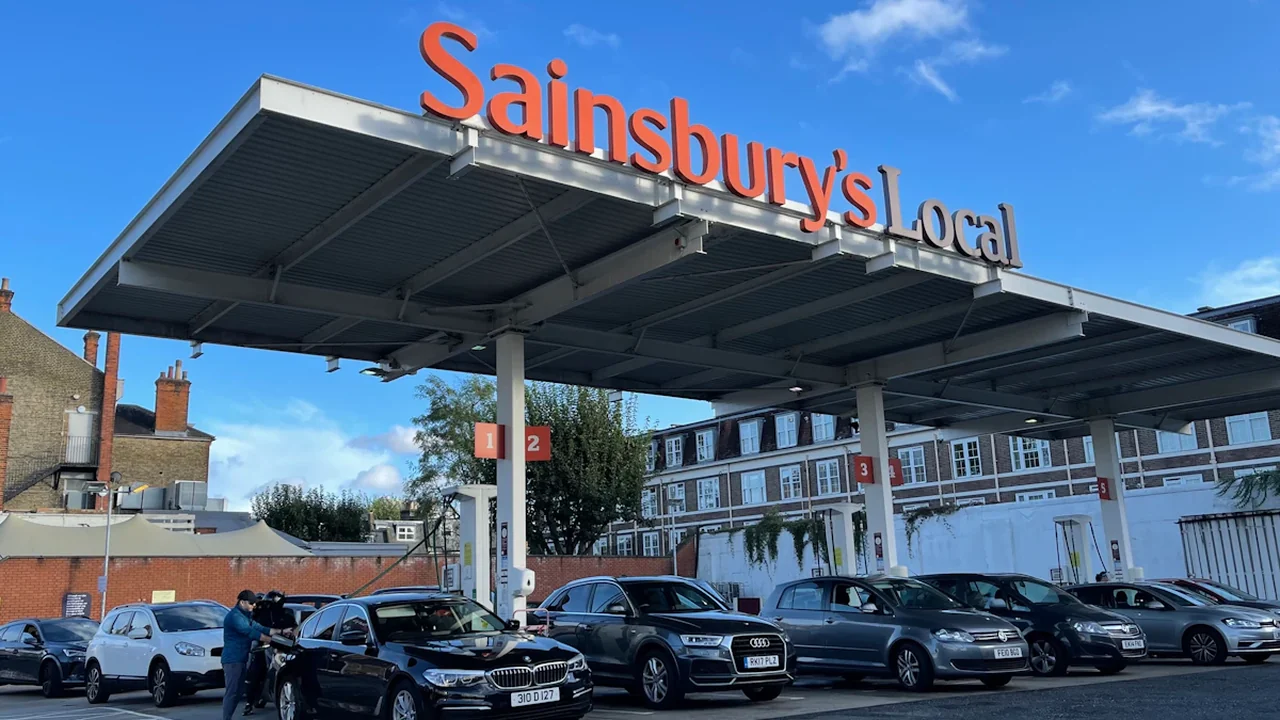
A cheaper pump reduces your household fuel bill only if the saving exceeds the cost of reaching it. Use Fuel Finder to compare the same fuel grade near your planned route, check any available price-update information, then calculate the saving on the litres you actually intend to buy before making a detour.
By Pink River editorial team
Fuel Finder brings together live retail fuel prices and forecourt information across the United Kingdom, according to GOV.UK. The official Fuel Finder collection provides current service information. For your next fill-up, focus on a convenient stop and the total cost of the trip, rather than the lowest displayed price alone.
Compare the same fuel grade along your planned route
Start with the journey you already need to make: your commute, school run, shopping trip or longer drive. Compare suitable forecourts along that route with nearby alternatives. A station you pass anyway can offer a useful saving without adding mileage.
Keep the comparison consistent. Compare petrol with petrol and diesel with diesel, then check that the listed grade matches the fuel you normally buy and that your vehicle requires. Standard and premium products are different purchases; comparing their prices can give a misleading impression of the saving.
Read prices in pence per litre. A hypothetical price of 145p per litre means £1.45 per litre. The relevant figure is the difference between comparable prices, multiplied by your intended purchase—not the size of your vehicle’s fuel tank.
If you expect to buy 20 litres, calculate for 20 litres. Using a 40-litre example for a smaller top-up would overstate the benefit. If you budget by pounds instead of litres, estimate the quantity that budget will buy at the displayed price.
Check the price information before setting off
Look for any available timestamp or information explaining when the price was reported or updated. If that information is missing, treat the displayed figure with more caution, particularly when the proposed saving is small or the station is some distance away.
An update time helps you judge freshness, but it does not guarantee that the price will remain unchanged when you arrive. Check again close to departure if your earlier comparison was made well before the journey.
Also check the forecourt information relevant to your stop, including opening hours and the fuel you need, where available. A low price has little practical value if the station is closed when you arrive or does not offer the required grade.
Use the GOV.UK collection for current information about Fuel Finder and how its information can be accessed. Do not assume that every service displaying fuel prices presents update details or forecourt information in the same way.
Work out what a cheaper price saves on 40 litres
The calculation is straightforward:
Saving in pounds = price difference in pence × litres bought ÷ 100.
For an explicitly hypothetical example, suppose two suitable stations differ by 5p per litre and you intend to buy 40 litres. Multiplying 5 by 40 gives 200p: a £2 saving before extra driving costs.
The following figures are hypothetical calculations for the same 40-litre purchase. They are not current pump prices, national averages or promises of savings.
| Price difference per litre | Saving on 40 litres before extra driving costs |
|---|---|
| 1p | £0.40 |
| 2p | £0.80 |
| 3p | £1.20 |
| 5p | £2.00 |
| 10p | £4.00 |
The table shows why purchase size matters. A 5p difference saves £1 on 20 litres and £3 on 60 litres. Use your expected fill-up quantity so that the decision reflects your actual household spending.
Subtract the cost of every extra mile
Measure the additional distance compared with the journey you would otherwise make. For a separate trip to a forecourt, include the return journey. For a stop during another journey, count the extra distance needed to leave your route and rejoin it.
A useful estimate is:
Extra fuel cost = extra miles ÷ miles per litre × fuel cost per litre in pounds.
Keep the units consistent. If you normally track fuel economy in miles per UK gallon, divide that figure by approximately 4.546 to obtain miles per litre. Use a realistic estimate for the driving involved; slow traffic can make an optimistic consumption figure less useful.
For another hypothetical example, assume your car travels eight miles per litre, the detour adds six miles in total, and fuel costs £1.50 per litre. The extra driving uses about 0.75 litres and costs approximately £1.13.
Subtract that from the £2 pump saving in the earlier example. The estimated benefit falls to about £0.87, before accounting for time, vehicle wear or any other charges. These assumptions illustrate the method; they are not measurements of your car or today’s fuel prices.
Under those same assumptions, approximately 10.7 extra miles would consume the entire £2 saving in fuel alone. That is a break-even illustration, not a recommended detour distance. A different vehicle, price or purchase quantity changes the result.
Decide whether the remaining saving is useful
Fuel cost is only part of the decision. Consider extra travel time, queues, awkward access and any toll or parking charge caused by changing your route. A small positive saving may still be poor value if it disrupts your day.
Combining a fill-up with an errand you already planned can improve the calculation. Count only the additional travel caused by choosing that station, while being honest about whether the other journey was already necessary.
For households making frequent small top-ups, convenient prices can matter more than occasional long trips to a cheaper station. Repeat the calculation for your usual purchase size rather than assuming that a large-fill saving applies every time.
Make these checks before you drive
Allow around 10 minutes for a straightforward comparison, and use this checklist while parked:
- Confirm the fuel type and grade match your vehicle’s requirements.
- Compare suitable stations on your intended route and nearby alternatives.
- Read any available price-update information and relevant forecourt details.
- Calculate the gross saving using the litres you expect to buy.
- Subtract estimated fuel costs for all additional mileage and any direct charges.
- Decide whether the remaining saving justifies the extra time.
When you arrive, check the displayed pump price and grade before dispensing. If either differs from your comparison, reassess the purchase using the price you will actually pay. For your next journey, begin with the current Fuel Finder service information and a fresh comparison of convenient stops.
Source: GOV.UK
Context & actions About this article
Source check How the savings are calculated
GOV.UK describes Fuel Finder's coverage; all price differences, driving assumptions and savings in this guide are hypothetical calculations.
- Compare the same fuel type and grade.
- Check available price-update information before travelling.
- Multiply the price difference by your intended purchase quantity.
- Subtract the estimated cost of all additional driving.
- Source
- GOV.UK Fuel Finder collection
- Scope
- United Kingdom
- Updated
- 2026-10-07 11:37
Source check
Report a trust issue
Send a clear signal to community moderation if the source, facts or context need review.



Comments