Will the Bank of England Cut Rates on 17 December 2026?
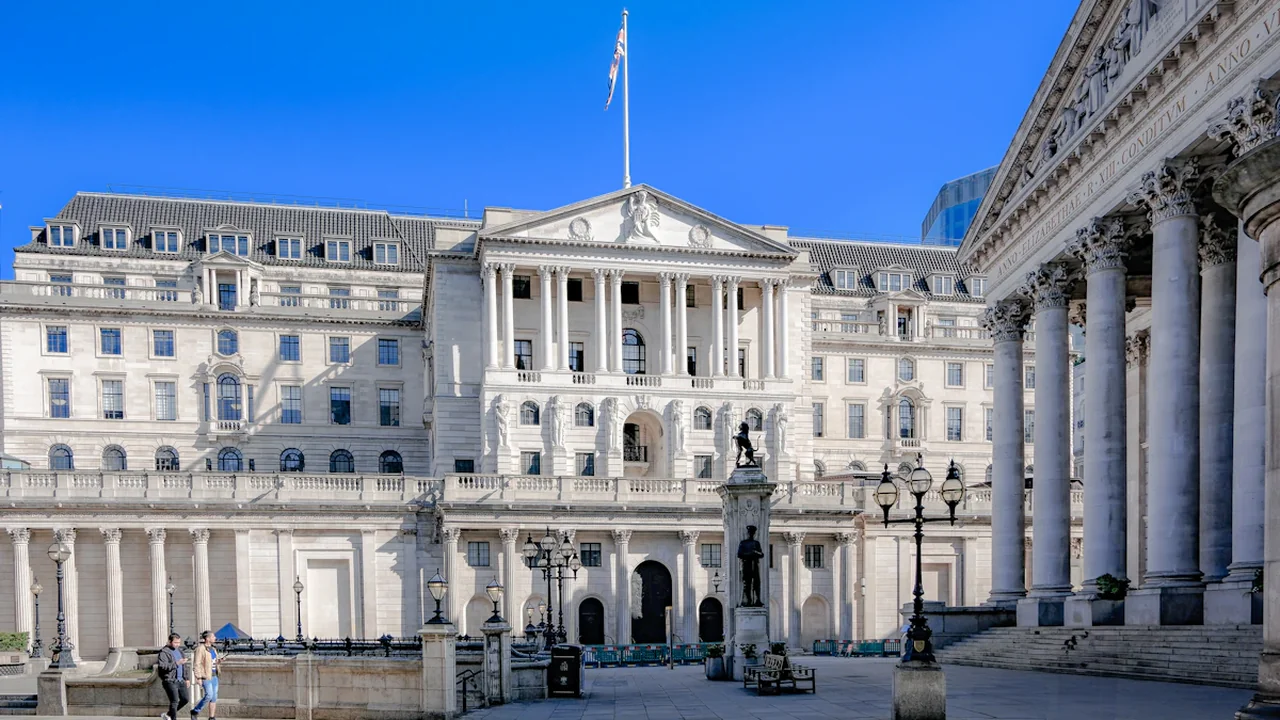
The Bank of England has scheduled its next Monetary Policy Committee decision for 17 December 2026. The Bank Rate is set by the committee and is the UK’s official policy interest rate, but the information supplied for this forecast does not establish the rate currently in force or provide dated inflation and labour-market figures. Those releases, and the Bank’s policy material, will be key evidence before the decision deadline.
The December decision is scheduled for 17 December
The Bank of England publishes dates for Monetary Policy Committee meetings, including the December 2026 decision. Its calendar makes 17 December the scheduled date for the next decision after 28 October 2026. The committee sets Bank Rate, which influences borrowing costs across the United Kingdom.
The date is a scheduled announcement, not a guarantee that the committee will change rates. The outcome could be a cut, no change or an increase. The forecast question is narrower: will the announced rate be lower than the rate in force immediately before the decision?
Forecast question and deadline
- Question: Will the Bank of England announce a lower Bank Rate on 17 December 2026?
- Deadline: 17 December 2026, the scheduled decision date.
- YES: The Bank announces a rate below the one in force immediately before the decision.
- NO: The Bank leaves the rate unchanged or raises it.
- Resolution: The Bank’s published decision and Bank Rate information determine the result. If the meeting is postponed or no rate decision is published that day, the market remains unresolved pending an official announcement.
The Bank Rate page explains that the Monetary Policy Committee sets the rate and identifies it as the Bank’s official policy interest rate. The published MPC calendar supplies the scheduled date. Neither fact by itself indicates which way the committee will vote.
Inflation and jobs data will shape the case
The most useful evidence before the meeting will include the latest official inflation and labour-market releases available at the time, alongside the Bank’s policy material. The figures need to be read with their release dates and definitions: inflation measures price changes, while labour-market statistics describe conditions such as employment, unemployment and pay.
No dated inflation or labour-market figures, or current Bank Rate value, are provided in the evidence. That means there is not a sound basis here to say a cut is expected, or to give a numerical probability. Readers should check the latest releases and the Bank’s current policy page as the meeting approaches.
A combination of easing price pressures and softer labour-market conditions could strengthen the case for a cut, depending on the committee’s assessment of the outlook. Persistent inflation or stronger-than-expected pay and employment conditions could weigh against one. These are possible signals, not a mechanical rule: the committee considers the evidence as a whole and can respond to new information.
What a rate change could mean for households
Bank Rate affects financial conditions, but it does not move every household’s costs by the same amount or on the same timetable. A lower rate may feed into some variable-rate mortgage costs and borrowing rates, while returns on savings may also fall. Fixed-rate products depend on their own pricing and terms, so an announced cut does not automatically change every mortgage or savings account.
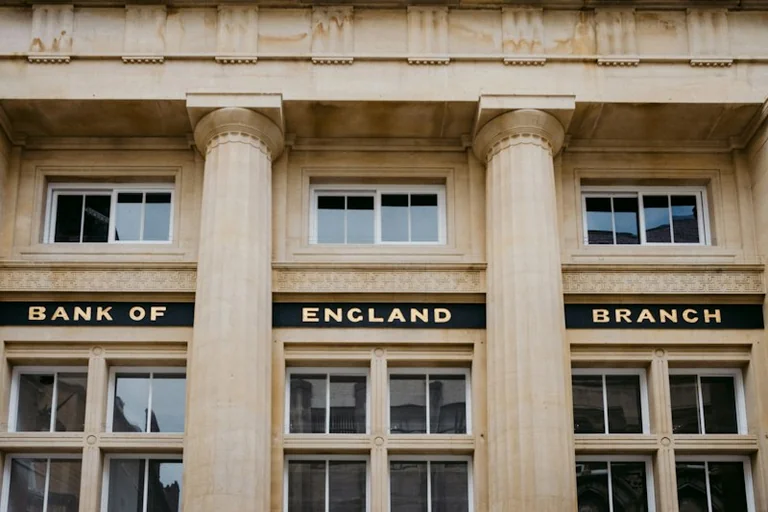
For people comparing deals, the practical details remain the lender’s rate, fees, eligibility rules and the timing of any change. Businesses can also be affected through borrowing costs. The decision is therefore relevant beyond markets: it can influence the price and availability of credit across the economy.
What could lead to YES or NO
A YES outcome requires an actual reduction in the announced Bank Rate on 17 December compared with the rate immediately before that decision. Inflation and labour-market releases may help explain the committee’s choice, but they do not settle the forecast on their own.
A NO outcome covers either an unchanged rate or an increase. Even if inflation eases, the committee could hold if it judges price pressures or risks remain too high. Conversely, a weaker economic picture could influence the decision, but it does not guarantee a cut.
The clearest way to track how the outlook is changing is to compare each newly published official release with the previous one and note whether it appeared before the committee’s decision. The Bank’s policy material and the latest data should be treated as a developing picture, not as a promise about the vote.
How the forecast will be settled
The scheduled decision date is 17 December 2026. Settlement depends on the Bank of England’s public announcement: compare the rate it announces with the Bank Rate in force immediately before that decision. A lower rate resolves YES; an unchanged or higher rate resolves NO.
If the scheduled decision is postponed or the Bank publishes no rate decision on that date, the market remains unresolved until an official announcement provides a basis to settle it. The next useful check is the Bank’s MPC calendar and decision page, together with the latest dated inflation and labour-market releases.
Source: Bank of England
Context & actions About this article
Source check How the forecast is settled
The Bank of England’s published decision and Bank Rate information determine whether the rate falls on the scheduled date.
- Check the Bank’s MPC calendar for the scheduled decision date.
- Compare the announced rate with the rate in force immediately before the decision.
- Use the latest dated official inflation and labour-market releases as context.
- Source
- Bank of England
- Scope
- United Kingdom
- Updated
- 2026-10-28 11:03
Source check
Report a trust issue
Send a clear signal to community moderation if the source, facts or context need review.



Comments