Dreams About Teeth Falling Out: Folklore and Reflection
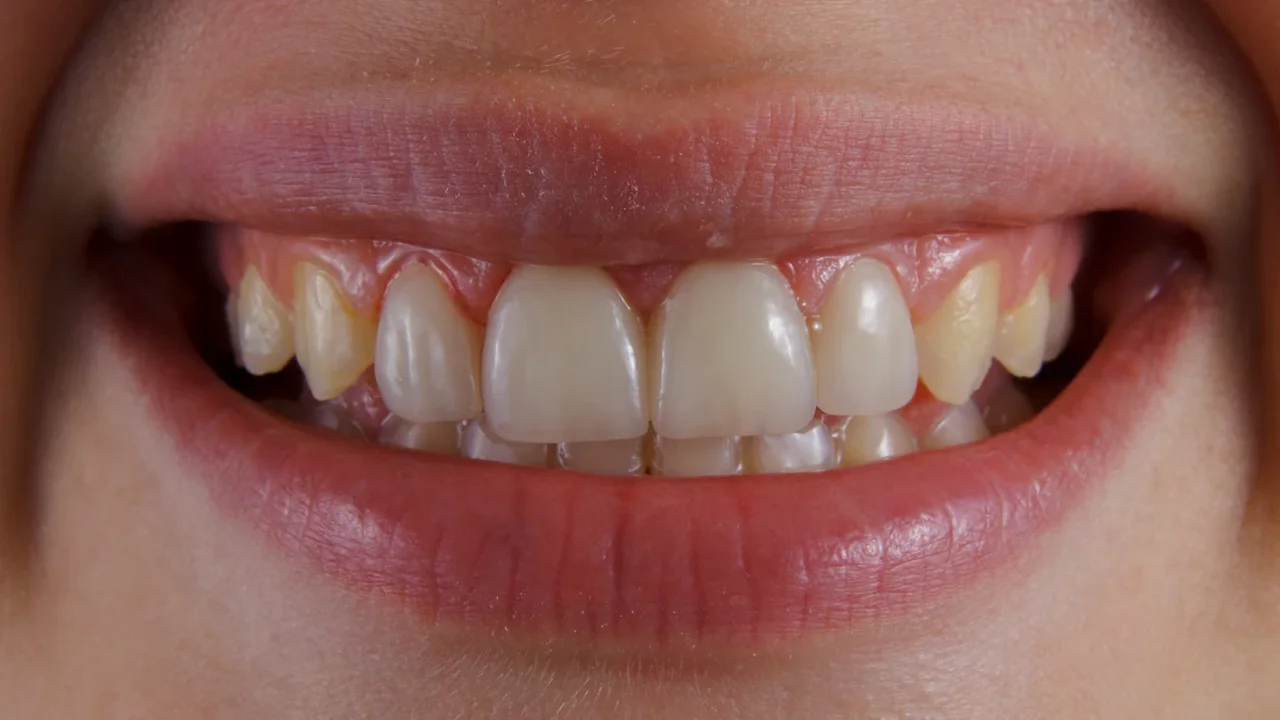
A dream about a loose tooth or a mouthful of falling teeth can feel vivid after waking, but it does not have one established meaning for everyone. Folklore and popular dream dictionaries offer symbolic explanations; a grounded way to approach the dream is to consider what was happening in your life and body, without treating it as a prediction.
Teeth-loss dreams have different stories in different traditions
Teeth appear in stories and customs around the world, but their meanings vary by place and period. In some European folk traditions, a dream about losing a tooth was treated as an omen of death or misfortune. Such interpretations belong to a history of folklore: they show how people made sense of unsettling dreams, not that a dream predicts an event. The broad label “European folklore” also covers varied traditions, rather than one shared explanation.
Popular dream dictionaries are a separate, broad tradition. They often connect falling teeth with themes such as insecurity, change, embarrassment, appearance or difficulty speaking. These lists can offer a starting point for reflection, but they are not a universal code. Different dictionaries may give different meanings for the same image, and a symbolic reading cannot establish what a particular dream means to an individual.
Read also: Dreams About Being Chased: Reflecting on Fear Without Fear
That distinction matters when a familiar interpretation sounds alarming. A story about an omen describes a cultural belief; a dictionary entry proposes a symbolic association. Neither is evidence that a specific event is about to happen. Readers can be curious about where an interpretation comes from while still deciding whether it resonates with their own experience.
A dream image is not evidence of an omen or diagnosis
There is no single interpretation shown to apply to everyone who dreams about losing teeth. A dream by itself does not establish that someone will experience a loss, bad luck or illness. Treating it as a warning can add worry without providing reliable information about what will happen.
Dreams can include emotions, memories, recent experiences and sensations during sleep. A tooth-related image may feel personally meaningful, but that does not make any one symbolic explanation a fact. The useful question is not whether a dream dictionary has the “right” answer, but whether reflecting on the dream helps you notice a concern or feeling already present in your life. It is equally reasonable if no connection comes to mind.
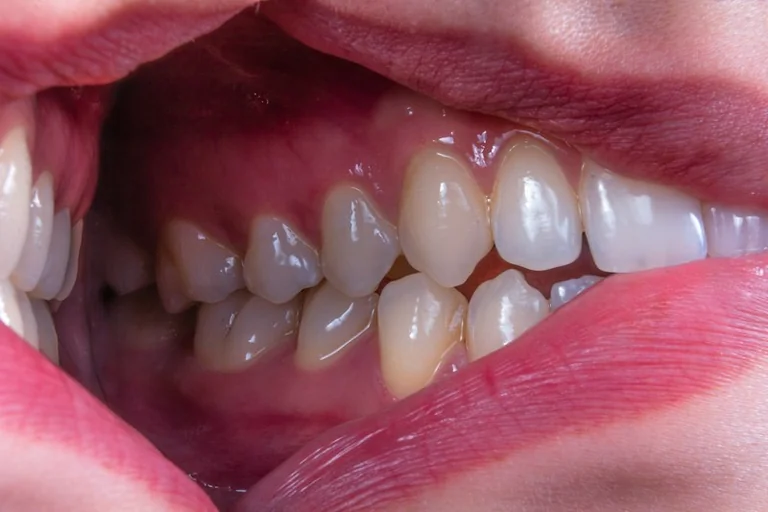
If you woke with jaw tension, tooth sensitivity or another physical sensation, you can note it as part of the experience rather than assuming the dream diagnosed a problem. The dream cannot tell you what caused a sensation. For a health concern, rely on advice from a qualified health professional, not a dream dictionary.
Use the dream as a prompt, not a verdict
If the dream stayed with you, write down what you remember before looking for an interpretation. Note the setting, who was there, what happened just before waking and how you felt. Those details may help you connect the experience to your own concerns without forcing a meaning onto it.
You could ask yourself:
- Was I worried about being judged, looking different or making a mistake?
- Am I dealing with a change that makes me feel less in control?
- Is there something I want to say but have been holding back?
- Did a conversation or situation leave me feeling unheard or misunderstood?
- Did I notice jaw tension, clenching or another bodily sensation around sleep?
- What feeling remained when I woke, and does it resemble anything I have felt recently?
These questions are possibilities to explore, not clues with fixed answers. Embarrassment, change and communication are common symbolic themes in popular interpretations, but they do not prove what caused the dream. You do not need to match your experience to a list, and it is fine to leave the dream unexplained. The point is reflection, not decoding a message or predicting what comes next.
When recurring dreams disrupt sleep or daily life
An occasional unsettling dream is not automatically a sign that something is wrong. If distressing dreams recur and affect your sleep or daytime wellbeing, consider speaking with a qualified health professional. They can help you discuss the distress in the context of your sleep and overall wellbeing, without relying on folklore as a diagnosis.
Source: Editorial research
Context & actions About this article
Source check Folklore and reflection
Folklore and dream-dictionary readings are cultural interpretations, not universal explanations or predictions.
- Scope
- International
- Updated
- 2026-10-12 09:42
Source check
Report a trust issue
Send a clear signal to community moderation if the source, facts or context need review.


Comments