How Hastings Changed England After 14 October 1066
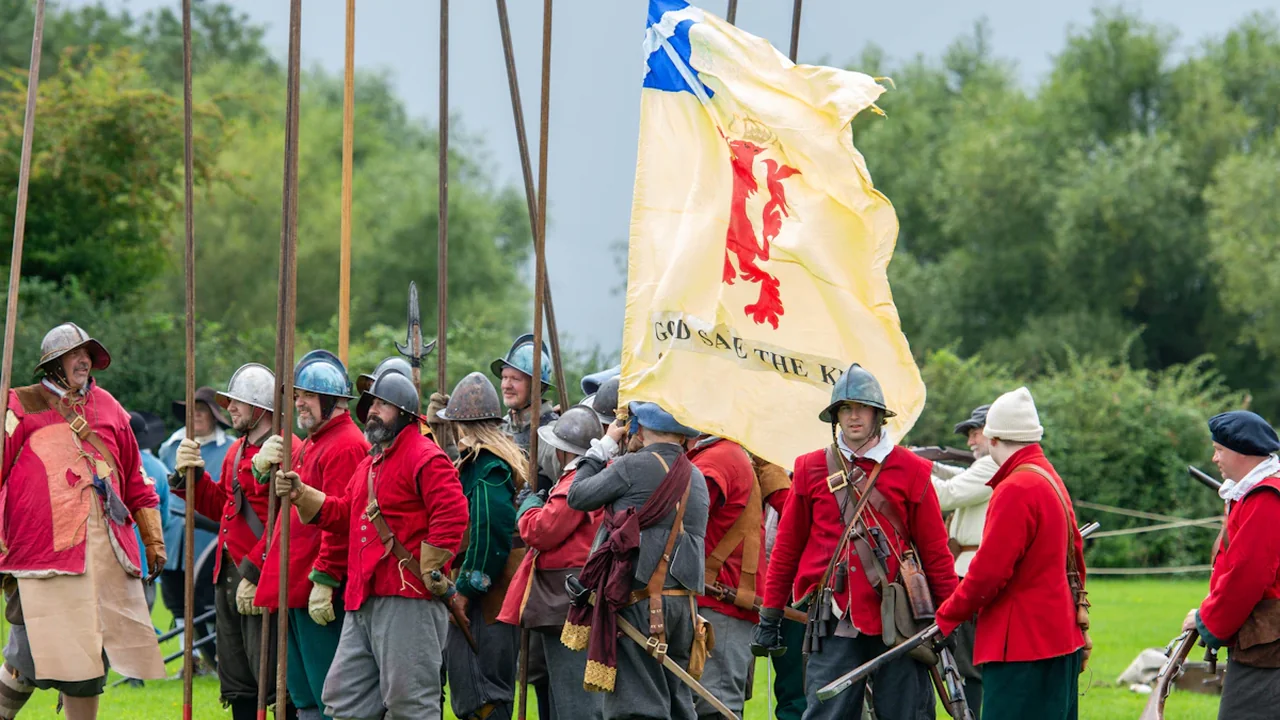
On 14 October 1066, William, Duke of Normandy, defeated King Harold II at the Battle of Hastings. On this anniversary, the battle is best understood as the turning point in a succession crisis, not the moment England changed hands in full: William was crowned on Christmas Day, and reshaping landholding and government took years. The date and broad historical context are recorded by Encyclopaedia Britannica; the details of the battle’s later traditions call for caution.
A disputed succession brought rival campaigns together
The crisis began when Edward the Confessor died in January 1066 without a direct heir. Harold Godwinson was crowned king, but William claimed that Edward had promised him the throne and that Harold had earlier sworn to support his claim. These accounts came from competing political traditions, so they do not establish an uncontested legal right.
Harold faced another challenge from Harald Hardrada of Norway, backed by Harold’s exiled brother Tostig. In September, Harold defeated them at Stamford Bridge in Yorkshire. William then landed in southern England. Harold’s army marched south to meet him, bringing the rival campaigns together at Hastings after a demanding sequence of military events. The battle decided which claimant could continue the immediate contest, but it did not settle how the whole kingdom would be governed.
Hastings opened the way to a coronation
The fighting took place near present-day Battle in East Sussex. Harold’s forces held high ground, while the Normans attacked with archers, infantry and cavalry. The battle lasted through the day. Harold was killed and his army broke, though details of his death and familiar battlefield stories have been shaped by later accounts and traditions rather than settled eyewitness evidence.
With Harold dead, William had removed the strongest immediate obstacle to his claim. He moved through the south-east and advanced toward London. English leaders eventually accepted him as king, and he was crowned at Westminster Abbey on 25 December 1066. That was a separate milestone more than two months after Hastings: victory on the battlefield made the coronation possible, while the coronation formally marked William’s kingship. Neither date by itself captures the longer process of establishing control across England.
Landholding shifted toward William’s Norman supporters
The conquest brought a major transfer of land and authority. William and his followers took estates from many English lords and granted them to Norman supporters. This changed who held power at the top of English society and connected landholding more closely to service and loyalty to the king. English landholders did not all disappear immediately, but Normans came to dominate the highest ranks of land ownership and authority over time.

The Domesday Book offers a later record of the society the new government sought to understand. William ordered the survey in 1085, and it was compiled in 1086. It recorded land, resources and obligations across much of England, giving the crown information about property and revenues. Its connection to Hastings is therefore indirect but significant: the battle began a conquest that altered landholding, while the survey documented the resources and duties of the resulting realm.
Royal government adapted existing institutions
William kept and adapted parts of England’s existing institutions while strengthening royal authority. He relied on sheriffs and local administration, demanded oaths of loyalty and built castles to secure key places. A castle established at Hastings helped enforce the new order; larger projects, including the Tower of London, signalled the king’s presence and power.
Government and public life also reflected different languages. Norman French became influential among the ruling class, Latin remained important in the church and administration, and English continued as the language of most people. These layers persisted for generations, and the transition was neither immediate nor identical in every region. The conquest thus reached beyond a new king: it reshaped land, royal control and the culture of government over time.
Battle Abbey shaped the site’s memory
William founded Battle Abbey near the battlefield, traditionally understood as a memorial and religious foundation connected with the victory. Its later association with Hastings helped shape how the event was remembered. Historic England places the battle within the wider Norman Conquest, while Encyclopaedia Britannica records the date and William’s victory. These sources provide a starting point for the battle’s significance; individual battlefield stories need care where later tradition is involved.
The next confirmed milestone after the battle was William’s coronation at Westminster on 25 December 1066. It established his kingship after Hastings, while the transfer of land and stronger royal control unfolded in the years that followed.
Source: Encyclopaedia Britannica
Context & actions About this article
Source check Historical context
This explainer uses Britannica and Historic England for the battle’s date and place in the Norman Conquest, while noting that some battlefield details come from later traditions.
- The battle took place on 14 October 1066
- William was crowned on 25 December 1066
- The Norman Conquest changed landholding and royal government
- Source
- Historic England
- Scope
- England
- Updated
- 2026-10-14 08:43
Source check
Report a trust issue
Send a clear signal to community moderation if the source, facts or context need review.



Comments