Why the Royal Navy Remembers Trafalgar Day on 21 October
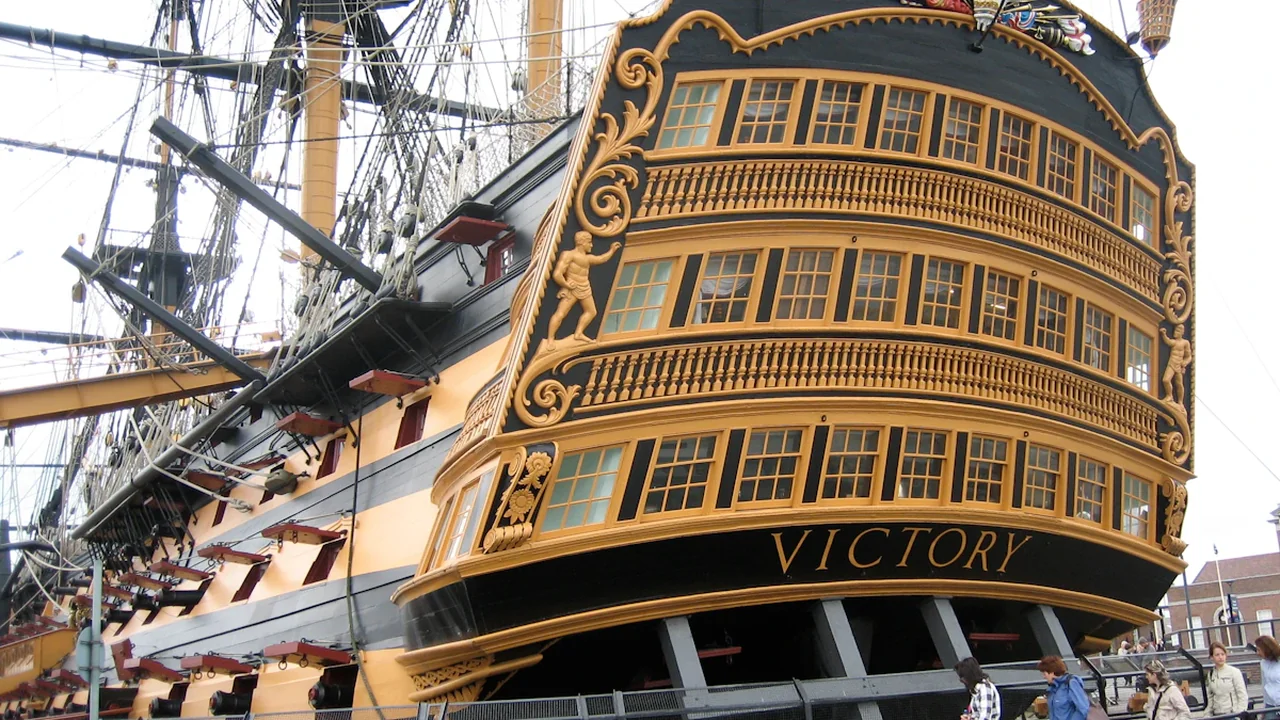
The Royal Navy remembers Trafalgar Day on 21 October, the date in 1805 when Britain’s fleet defeated the combined French and Spanish fleets at the Battle of Trafalgar—and Admiral Horatio Nelson was killed. The anniversary marks a consequential naval victory, but also a costly battle and the death of its most famous British commander. The next annual milestone is 21 October 2026, when the date comes around again.
21 October 1805: the Battle of Trafalgar
The battle took place off Cape Trafalgar, on Spain’s south-west coast, during the Napoleonic Wars. Britain faced a combined French and Spanish fleet. Royal Museums Greenwich identifies the date, the British victory and Nelson’s death as central facts of the encounter.
Trafalgar is remembered as a decisive British naval success, but that shorthand can obscure what happened. The victory came through a battle at sea in which ships and crews were exposed to lethal fire. Nelson himself did not survive it, and the outcome came at a human cost on both sides.
The museum’s account offers a useful starting point for the anniversary: it places the battle in its historical setting rather than treating Trafalgar Day as simply a celebration. The date connects a military outcome to the people who fought and died in it.
How the battle became a defining naval moment
Trafalgar took place in an era when control of the sea mattered to Britain’s security and its ability to move ships and trade. Defeating the combined French and Spanish fleet strengthened the Royal Navy’s standing and became a lasting reference point in British naval history.
That significance should not be mistaken for an end to the wider conflict. Trafalgar was a major naval victory, not a consequence-free event or a complete account of the Napoleonic Wars. Its place in British memory comes from both its strategic importance and the drama of the battle, including Nelson’s death.
The anniversary also offers a way to consider how national stories are made. A celebrated victory can become a symbol of naval power, while museum interpretation and historical objects help retain the details behind the symbol: the date, the opposing fleets, the people involved and the losses.
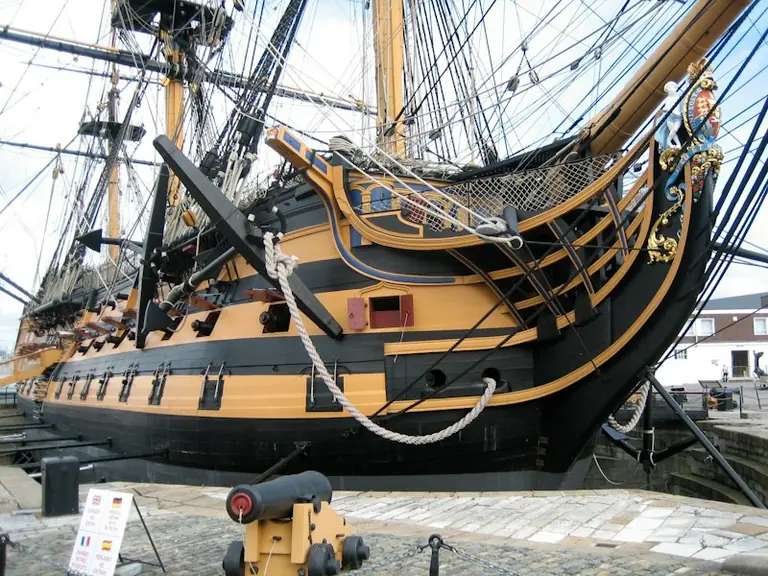
Nelson and the French and Spanish fleets
Horatio Nelson commanded the British fleet at Trafalgar. His death during the battle is inseparable from its place in public memory: the British fleet won, but its admiral was mortally wounded. Remembering both facts gives a fuller account than a victory narrative alone.
The opposing force was a combined French and Spanish fleet. This matters because Trafalgar was not a clash between Britain and a single navy. Describing the sides accurately helps keep the battle in its international context and recognises that the event belongs to the history of all the fleets and crews involved.
Royal Museums Greenwich’s collection includes objects and interpretation connected with Trafalgar. Such material can add perspective to a written account by showing how the battle has been recorded and remembered. A collection object is evidence of that history and its interpretation; it is not, by itself, a substitute for the broader account of the battle.
How Trafalgar Day’s meaning has changed
Trafalgar Day remains a date associated with the Royal Navy and Britain’s maritime past. Its meaning, however, need not be limited to celebrating a victory. An anniversary can also prompt reflection on the people who served, the lives lost and the way later generations have chosen to remember the battle.
Museum accounts and collections help hold those perspectives together. Royal Museums Greenwich documents the basic chronology and places Trafalgar within naval history, while related objects provide another route into how the event has been represented. Reading the anniversary this way makes room for national pride without reducing the battle to a simple, cost-free triumph.
The next fixed date in this story is 21 October 2026, the 221st anniversary of the battle. On that date, the central historical facts remain the same: the British victory, the French and Spanish fleets, and Nelson’s death. What the anniversary invites people to consider is how those facts continue to shape remembrance.
Source: Royal Museums Greenwich
Context & actions About this article
Source check Sources
This account draws on Royal Museums Greenwich’s history of the Battle of Trafalgar and its related collection material.
- Battle date: 21 October 1805
- British victory over the combined French and Spanish fleets
- Nelson’s death during the battle
- Source
- Royal Museums Greenwich
- Scope
- United Kingdom
- Updated
- 2026-10-15 09:15
Source check
Report a trust issue
Send a clear signal to community moderation if the source, facts or context need review.




Comments