How the 1605 Gunpowder Plot Became Bonfire Night
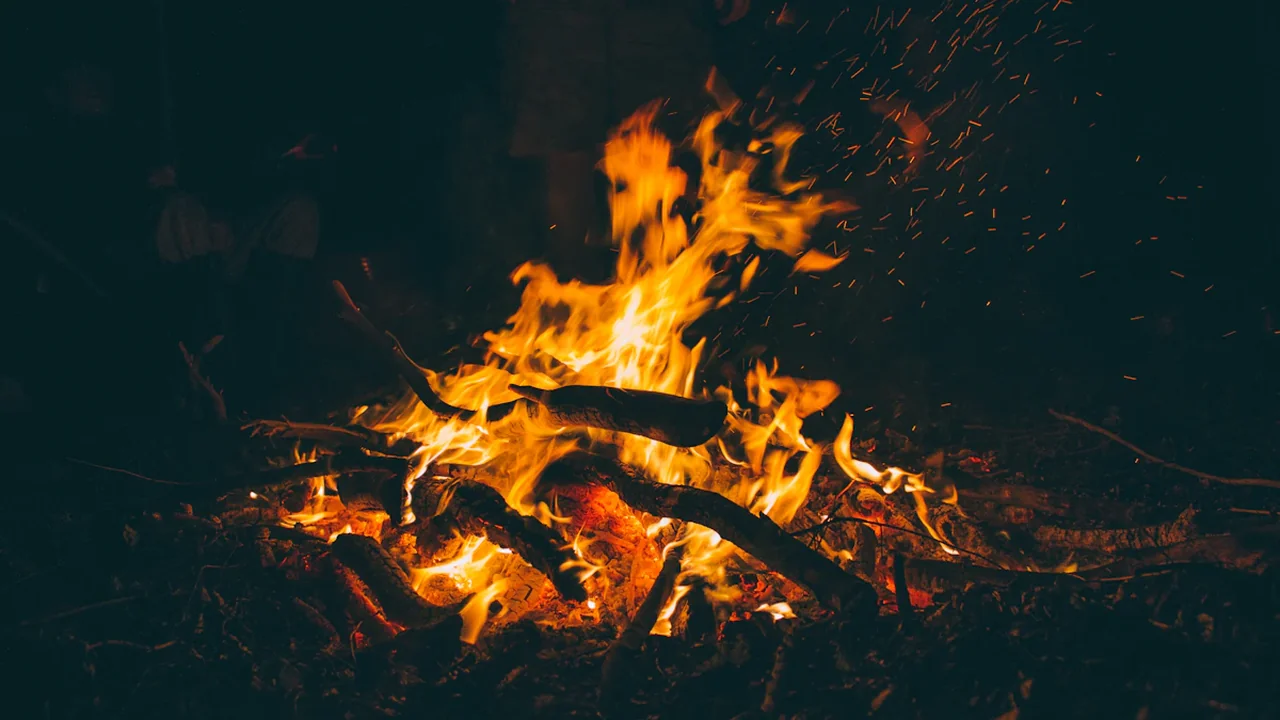
Every 5 November, Bonfire Night recalls the failed 1605 Gunpowder Plot, when Guy Fawkes and fellow conspirators planned to blow up the House of Lords during the State Opening of Parliament. The date links two things that are easy to conflate: a documented attempt to attack Parliament and the later customs of bonfires and fireworks. UK Parliament says the plot was discovered before it could be carried out; local celebrations today vary from place to place.
1605: a plan to attack Parliament
The conspirators’ target was the House of Lords, where the king and members of Parliament were expected to gather for the State Opening. They planned to use gunpowder to destroy the building during the ceremony. Guy Fawkes is the name most closely associated with the plot, but he was one of several people involved.
The basic sequence is clear in the UK Parliament account: the conspiracy was aimed at the State Opening, and authorities uncovered it before the planned attack could take place. That distinction helps explain what the anniversary commemorates. It marks a failed plot and its discovery, not a successful attack or a battle.
Before the attack: the plot is discovered
The discovery stopped the plan before the House of Lords could be blown up. Fawkes became the figure most remembered in popular accounts, while “Gunpowder Plot” refers to the wider conspiracy involving him and others.

Keeping those points together gives the date its historical meaning: 5 November recalls both the intended attack on Parliament and the fact that it was prevented. The familiar name Guy Fawkes Night can draw attention to one person, but the event being remembered was a conspiracy, not a solo effort.
From the 1605 plot to an annual observance
The event became associated with an annual observance on 5 November. Over time, public remembrance came to include bonfires and fireworks. These customs belong to the history of commemoration that followed the plot; they are not details of how the conspiracy itself unfolded.
That separation matters when describing Bonfire Night. The historical record tells readers what happened in 1605 and why the date became significant. Later traditions shaped how communities marked the anniversary. A bonfire or fireworks display connects to the observance, but it does not provide evidence about the original events.
How Bonfire Night is marked today
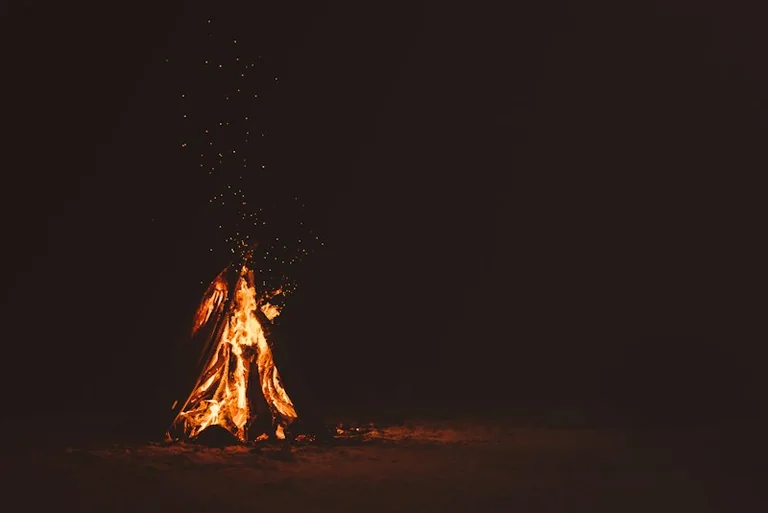
Today, Bonfire Night is a seasonal gathering in many parts of Britain. Some local events include a public bonfire, fireworks or both; others may mark the date differently or hold no public event. There is no single programme or arrangement that applies across the country.
For anyone planning to attend an event, the date alone does not confirm where it will take place or what the evening will include. Times, locations, ticketing and access arrangements are set locally and can change from year to year. Those details should be checked with the organiser or venue rather than inferred from the national tradition.
Check the local event listing before travelling
A council or venue event page can confirm whether a particular display is taking place and provide practical information such as timings, entry arrangements and access. Follow any updates from the organiser, including changes that may affect the event. If a listing does not provide a detail you need, contact the organiser directly.
The UK Parliament account is a starting point for the history: the plot targeted the House of Lords during the State Opening, and it was discovered before it could be carried out. The next useful step for this year’s plans is to check the current listing for the specific 5 November event, since its organiser is the source for local arrangements.
Source: UK Parliament
Context & actions About this article
Source check Historical context
UK Parliament describes the 1605 plot against the House of Lords and its discovery before it could be carried out; Bonfire Night customs developed around the anniversary.
- The plot targeted the House of Lords during the State Opening of Parliament.
- Authorities discovered the plot before it was carried out.
- Bonfires and fireworks are described as later commemorative customs.
- Local event arrangements should be checked with the relevant organiser.
- Source
- UK Parliament
- Scope
- United Kingdom
- Updated
- 2026-10-28 10:55
Source check
Report a trust issue
Send a clear signal to community moderation if the source, facts or context need review.


Comments