How to Compare UK Petrol and Diesel Prices Before a Long Drive
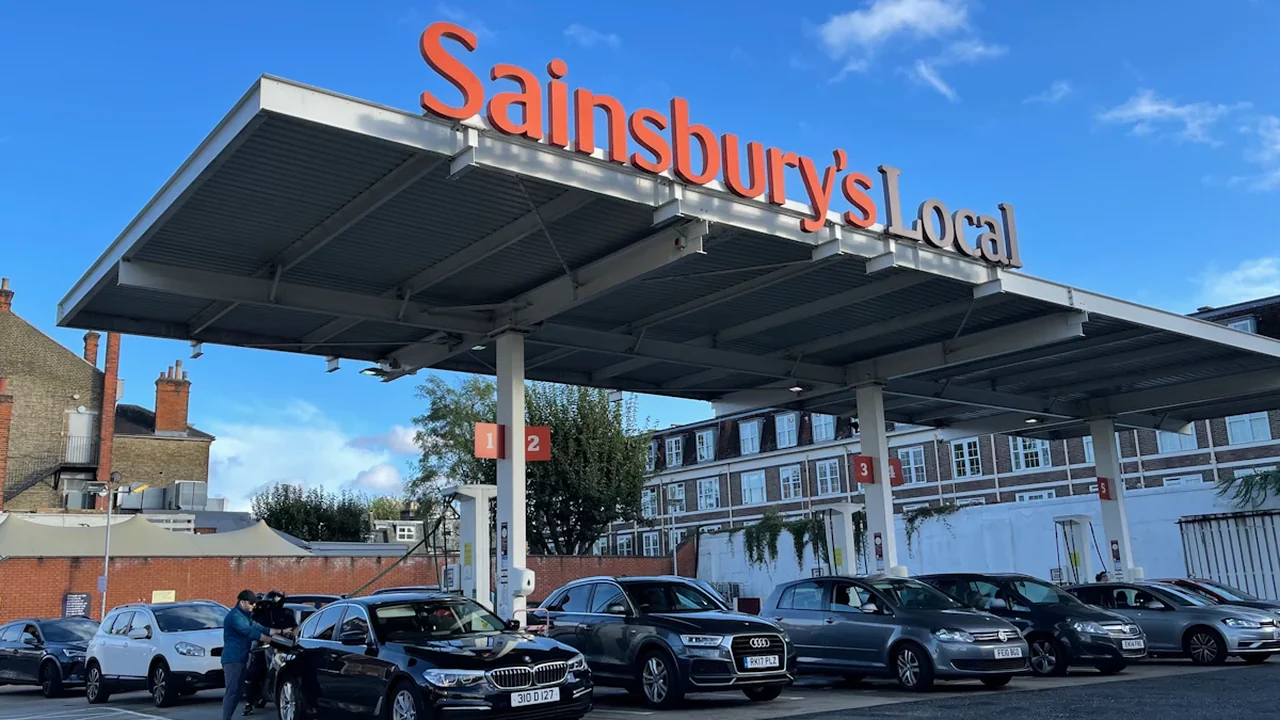
A cheaper pump can still cost more if reaching it adds a long detour. Before a longer drive, compare the price for your fuel type near your route, check any offer conditions, and weigh the extra mileage against the saving on the litres you plan to buy. The Competition and Markets Authority (CMA) publishes material on its road fuel market study and fuel price monitoring work; this guide uses no unverified national average or live forecourt prices.
Where to check forecourt prices
Start with a fuel price comparison service that lets you search by postcode and select petrol or diesel. Enter a postcode near your starting point, destination or planned stop, then check the map or list for stations close to your route. Search results can help identify candidates, but confirm the price and availability before making a special trip.
The CMA’s road fuel market study collection provides official information about its work and fuel price monitoring. Use it for market context; for a specific journey, you still need current, location-specific forecourt information.
Prices can change, and a listing may not reflect the pump when you arrive. Check when the information was updated if the service displays a timestamp. If it is important to your decision, confirm with the station before detouring. Compare the same fuel type and grade throughout: a petrol price cannot be compared directly with a diesel price, and premium fuel may cost more than standard fuel.
Compare prices along your route
A useful comparison starts with the stations you could reach without substantially changing your journey. Check more than one postcode if your route is long, and look for stations near a motorway exit, service area or planned break. A low price several miles off-route may be less useful than a slightly higher price on the route you already intend to take.
For each option, note:
- The listed price per litre and the fuel type.
- The station’s distance from your route, including the return distance if you must rejoin it.
- How many litres you expect to buy there.
- Any offer conditions, such as a minimum spend or a linked supermarket purchase.
- Whether the price listing appears recent and whether the fuel is available.
The expected litres matter. If you only need a small top-up, a price difference that could save several pounds on a full tank may add up to little on your actual purchase. Compare the amount you will buy, rather than assuming you will fill the tank.
Work out whether a detour pays
Calculate the fuel saving first, then subtract the cost of the extra driving. Use these formulas:
- Fuel saving: (higher price per litre − lower price per litre) × litres bought.
- Detour fuel cost: extra miles ÷ your vehicle’s miles per gallon × 4.546 × fuel price per litre.
The second formula converts UK gallons to litres. It estimates the fuel used by the detour; it does not include the value of your time, traffic, parking or other costs. Use a realistic efficiency figure for your vehicle and driving conditions rather than relying on its best advertised economy.
Hypothetical example
Suppose one forecourt is 5p per litre cheaper than a station on your route, and you plan to buy 40 litres. The gross saving would be 5p × 40, or £2.
Now suppose reaching the cheaper station and returning to your route adds 10 miles. If your car averages 40 miles per UK gallon and fuel costs £1.50 per litre in this hypothetical example, the detour uses about 1.14 litres and costs roughly £1.70 in fuel. That leaves only about 30p before allowing for time or any other costs. These figures are illustrative, not live prices. A smaller purchase, longer detour or less efficient vehicle could make the stop more expensive overall.
Check supermarket offer conditions
A supermarket fuel promotion may have requirements that affect whether the headline price is available to you. Read the current offer terms before changing your route. Check whether you need to spend a minimum amount in the store, use a loyalty account or voucher, buy specific products, or redeem the discount by a deadline.
Also check whether the discount applies to the fuel type you need, whether there is a maximum discount or eligible purchase amount, and whether the offer is valid at that particular forecourt. Treat the saving as conditional until you have confirmed you qualify. If you would make an extra shop only to unlock a fuel discount, include the purchase and detour in your decision rather than counting the discount alone.
Make the final comparison before setting off
Prices and offer details can change between checking and arrival. Just before leaving, confirm the selected station is open, carries the fuel you need and still shows the relevant price or promotion. Then compare the likely saving with the complete extra distance to leave and rejoin your route.
If the figures are close, the on-route station may be the simpler choice: the cheapest listed forecourt is not automatically the cheapest stop once detour mileage is included. For each journey, the useful check is the current postcode-specific price, the litres you expect to buy and the extra miles required to reach it.
Source: Competition and Markets Authority
Context & actions About this article
Source check Comparison method
The guide uses the CMA’s road fuel market materials for context and labels all worked-example prices as hypothetical.
- Compare the same fuel type and grade.
- Check the listing’s update time and confirm if needed.
- Include the return distance of a detour.
- Read the full terms of any supermarket offer.
- Source
- Competition and Markets Authority: Road fuel market study
- Scope
- United Kingdom
- Updated
- 2026-10-30 09:59
Source check
Report a trust issue
Send a clear signal to community moderation if the source, facts or context need review.



Comments