How to Compare UK Petrol Station Prices With the National Average
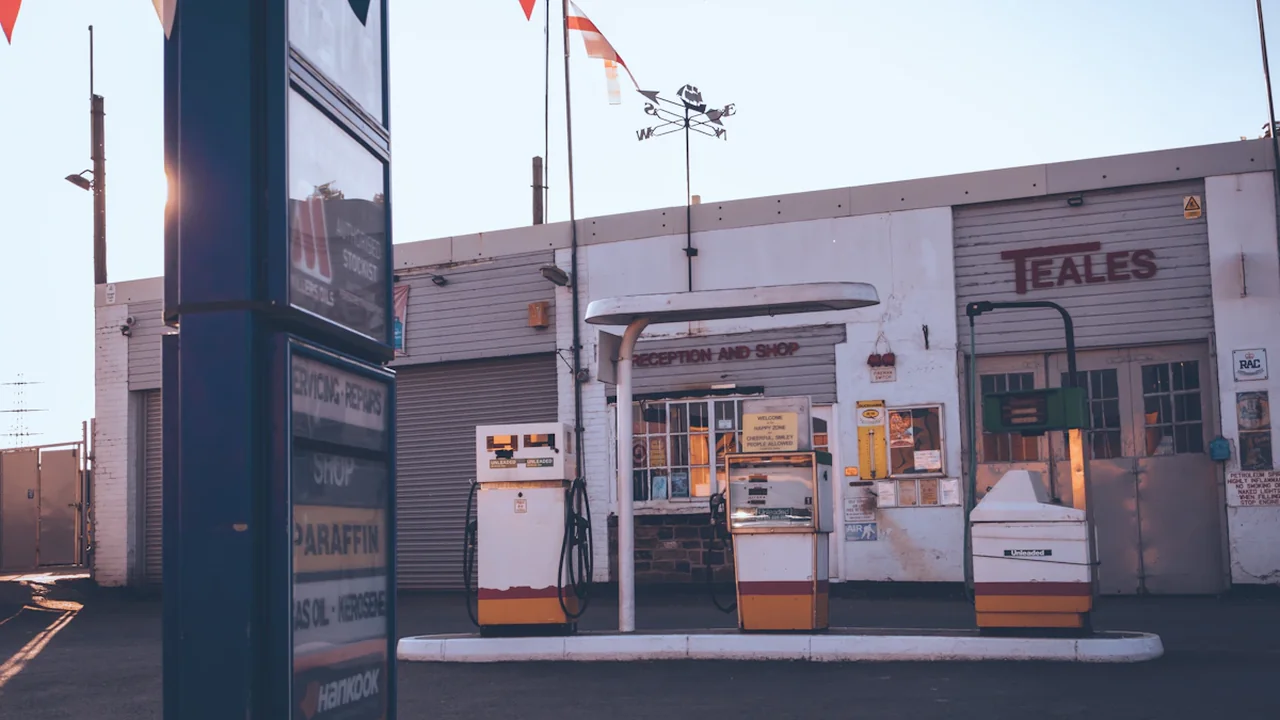
The UK’s national average is a useful benchmark, but it is not the price you will find at every forecourt. To compare local petrol or diesel prices fairly, match the fuel type, check when each price was recorded, and compare stations in the area where you plan to fill up. The Department for Energy Security and Net Zero publishes weekly road fuel price data; use the latest publication and state its reporting date when quoting an average.
Find the latest UK average and its date
The Department for Energy Security and Net Zero’s road fuel prices collection provides government data and publications. Open the latest weekly release and note its reporting date before using a figure. The source collection itself does not provide a single live price for every UK station.
Check the petrol average against petrol prices, and diesel against diesel. Keep the units consistent, usually pence per litre. A petrol average cannot tell you whether a particular diesel pump is good value, and a national average cannot show what a nearby station is charging right now.
Weekly figures describe prices for their stated reporting period. Pump prices can change between releases, so avoid presenting an average as current unless the publication date makes that clear. If you cannot verify the latest release and its date, do not attach an undated number to the comparison.
Compare nearby stations on equal terms
Use current prices for the stations you might actually visit, then compare them with the matching national average. Check the location and time of the local price: an old listing or a station far from your route may not help with today’s decision.
- Compare petrol with petrol or diesel with diesel.
- Check that both figures use pence per litre.
- Record the government average’s reporting date and when local prices were checked.
- Compare stations near the same town, route or destination.
- Treat supermarket and motorway forecourts as separate options: prices can differ by location and station type.
A local price below the national average is below that benchmark for the dates compared. It does not prove that the station is the cheapest nearby or that its price has stayed the same. Likewise, a price above the average does not establish that every other station in the area is cheaper.
Estimate fuel cost for your trip
For a quick estimate, use the vehicle’s fuel efficiency and your planned distance. If efficiency is shown in miles per gallon, calculate litres used as distance in miles ÷ miles per gallon × 4.546. Then multiply the litres by the price per litre in pounds.
For example, a 120-mile trip in a car returning 40 miles per gallon would use about 13.6 litres: 120 ÷ 40 × 4.546. At a hypothetical price of £1.50 per litre, that is about £20.40. This is an illustration, not a current UK price; replace the example price with a dated local quote for a more useful estimate.
Real fuel use varies with traffic, speed, load, weather and driving conditions. The calculation estimates fuel consumed over the distance entered; it does not include detours or any fuel needed for other journeys.
What the comparison can and cannot tell you
A dated national average gives you context for a local quote, while a station’s current pump price is the figure relevant to filling up there. Neither one predicts what another forecourt will charge or what prices will be in a later week.
Before setting out, check the latest government release for its reporting date and confirm the local station price through a current listing or directly with the forecourt. Recheck if your trip is planned for a later day, particularly when comparing stations on a motorway route with options in town.
Source: UK Department for Energy Security and Net Zero
Context & actions About this article
Source check How to compare
The national benchmark comes from the Department for Energy Security and Net Zero’s weekly road fuel price publications; local pump prices may differ and change between releases.
- Match petrol with petrol or diesel with diesel.
- Note the government release’s reporting date.
- Check local station prices and when they were listed.
- Use a route-specific distance and vehicle efficiency for the trip estimate.
- Source
- Department for Energy Security and Net Zero
- Scope
- United Kingdom
- Updated
- 2026-10-13 09:32
Source check
Report a trust issue
Send a clear signal to community moderation if the source, facts or context need review.


Comments