UK Clocks Went Back: Adjust Your Routine and Travel
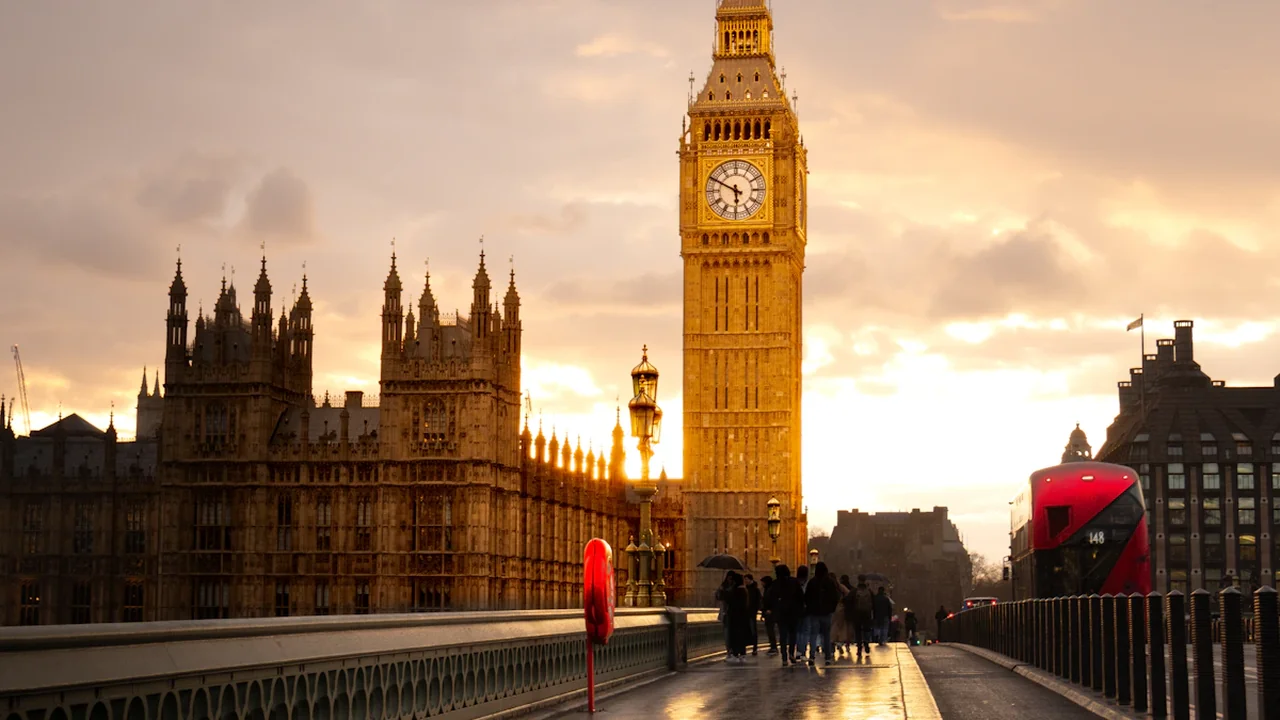
The UK moved from British Summer Time (BST) to Greenwich Mean Time (GMT) on Sunday 25 October 2026, giving people an extra hour on the clock while bringing earlier evening darkness. Check any clocks that did not update automatically, allow for the light when planning journeys, and give yourself time to settle into your usual schedule. The exact effect depends on your commute and daily routine.
The UK’s autumn clock change was on 25 October
The UK Government’s clock-change page lists 25 October 2026 as the date the UK returned from BST to GMT. At 2am, clocks went back one hour to 1am. The change applies across the UK.
That date has passed, so the immediate task is to make sure your clocks and plans now show GMT. The official page is also useful when checking the pattern of UK clock changes for future years.
Check clocks and appliances that may need manual adjustment
Many phones, computers and other connected devices update automatically when their date, time and time-zone settings are correct. A device that is switched off, disconnected or set to manual time may not. Compare it with a trusted time display if you are unsure.
Some clocks and appliances do not connect to an automatic time service. Check the displays you rely on for appointments, alarms or timed settings, such as:
- Wall clocks and watches that do not sync with a phone.
- The clock in your car, if it does not update automatically.
- Ovens, microwaves and other appliances with their own clock displays.
- Timers or alarm devices that use a manually set clock.
If you use an alarm for work, school or a journey, check both the time shown and the alarm setting. A clock that is an hour out can make a routine feel confusing even though the time change itself has already happened.
Earlier darkness can change how your journey feels
After the clocks go back, evening light arrives earlier by the clock. A route you usually take in daylight may now be darker at the same clock time, particularly later in the afternoon. The change does not affect every commute in the same way: journey length, route, transport mode and work hours all matter.
Before travelling, check your usual departure time against the light outside and allow for conditions on your route. If you walk or cycle, make sure you can be seen and can see the path clearly. If you drive, take extra care where visibility is reduced and allow enough time to travel without rushing.
The clock change does not replace checking live travel information. Service times, road conditions and local lighting vary, so check the relevant operator or journey information when it matters for your trip.
Make small routine adjustments if the new timing feels unfamiliar
The clock change shifts the time shown, but people’s schedules differ. If your usual waking, meal or bedtime routine feels out of step for a few days, keep the plan simple: use the clock time that applies now, set alarms deliberately and avoid making several unnecessary changes at once.
For example, someone who leaves home at 7.30am still needs to leave at 7.30am by the updated clock. The practical difference may be the light on the journey or how the morning feels, rather than a change to the appointment itself. If your work or family schedule is fixed, keep those commitments in view while you adjust.
There is no single adjustment that suits everyone. Choose routine changes that fit your own obligations, and seek individual advice if you have a specific health concern rather than assuming the time change explains it.
Use the official date page for future clock changes
The UK Government’s clock-change page gives the official dates for the UK’s move between BST and GMT. Use it to check a future change, then check your own devices and travel plans around the relevant date.
For now, the useful checks are straightforward: confirm the time on clocks you rely on, check alarms and appointments, and account for earlier evening darkness on journeys. Your commute and routine determine which of those steps matters most.
Source: UK Government
Context & actions About this article
Source check Date and routine checks
The UK Government lists the autumn change date; device and travel checks depend on your equipment and journey.
- Confirm the 2026 autumn change date on the UK Government page.
- Check manually set clocks, appliances and alarms.
- Account for earlier evening darkness on your own route.
- Source
- UK Government
- Scope
- United Kingdom
- Updated
- 2026-10-27 10:46
Source check
Report a trust issue
Send a clear signal to community moderation if the source, facts or context need review.

Comments