UK Fuel Prices: How to Compare Pump Costs and Detours
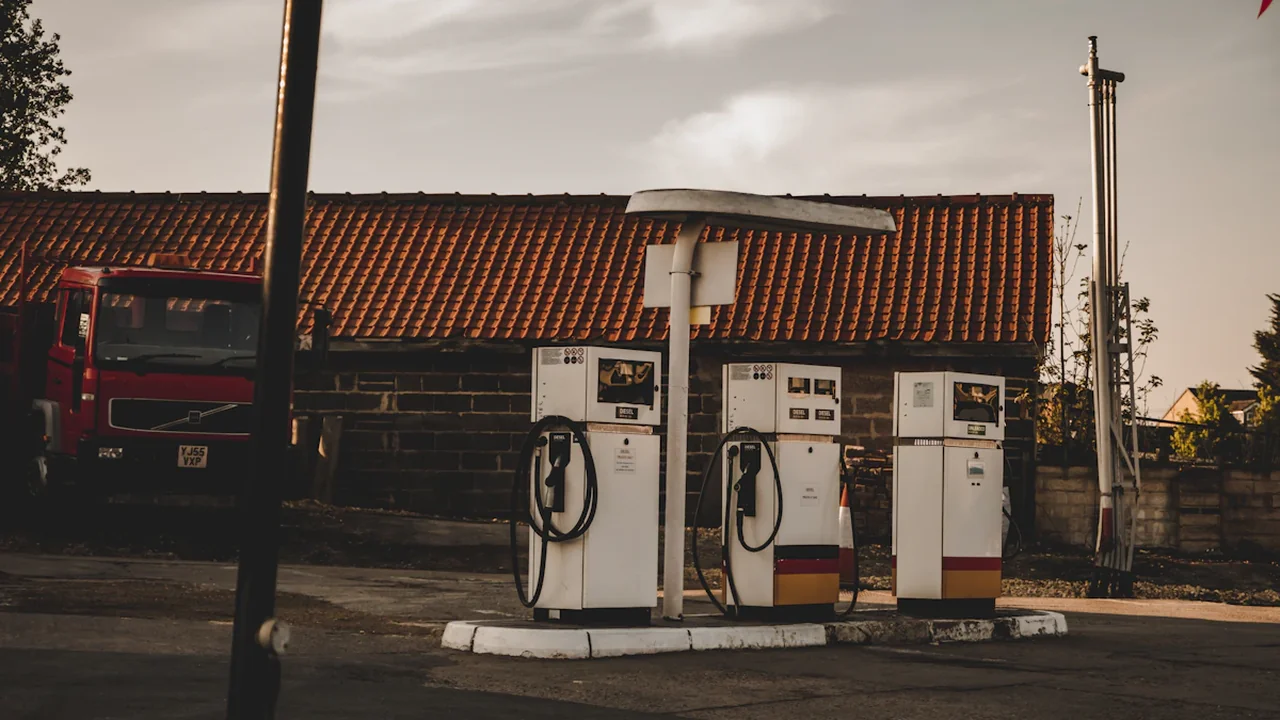
The cheapest pump price does not always mean the cheapest journey: compare the cost of the litres you need with the fuel and time required to reach the station. The UK government publishes weekly national road fuel prices as a reference, but those averages cannot tell you what a specific forecourt charges today.
Check the latest UK weekly fuel price before comparing
The Department for Energy Security and Net Zero publishes a weekly road fuel price series for the UK. Check its latest release against the latest official page or before using it as a benchmark; no current figure is quoted here because one has not been verified.
A national weekly average gives a broad reference for petrol or diesel prices across the country. It is not a live local quote, and it does not predict the price at an individual station. Prices can differ between forecourts and can change after the weekly data was collected.
Use the series to understand the wider price context, then check the pump price at the stations you might actually use. Compare like with like: petrol with petrol, or diesel with diesel, and use the same unit, usually pence per litre.
Calculate the cost of a fill-up
Multiply the number of litres by the price per litre, then divide by 100 if the pump price is in pence. For example, at an illustrative price of 150p per litre, a 40-litre fill costs £60: 40 × 150 ÷ 100 = 60.
That is a calculation example, not a current UK price. Your actual bill depends on the amount dispensed and the price shown at the pump when you fill up. A full tank may also be larger or smaller than 40 litres, so use the litres you expect to buy.
For a quick comparison, calculate the saving per litre between two stations and multiply it by the litres you plan to buy. If one station is 4p per litre cheaper and you need 40 litres, the gross saving is £1.60. That figure is the maximum available before accounting for the journey to the cheaper station.
Include the fuel and time needed for a detour
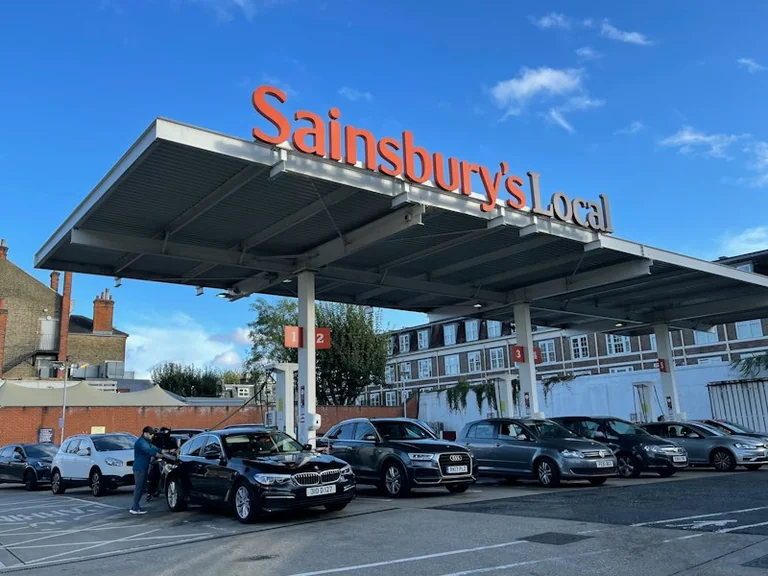
A station farther away may use up some or all of the apparent saving. Estimate the extra round-trip distance, your vehicle’s typical fuel consumption and the fuel price for the journey. Then subtract that added travel cost from the fill-up saving.
For example, suppose the cheaper station saves £1.60 on a 40-litre fill, while the extra trip uses 1 litre of fuel. At an illustrative 150p per litre, that litre costs £1.50, leaving only 10p before considering your time or other journey costs. If the detour uses more than about 1.07 litres at that fuel price, it costs more than the £1.60 saved.
Use this simple check:
- Fill-up saving: price difference per litre × litres bought.
- Detour fuel cost: extra litres used × price per litre, converted from pence to pounds.
- Net cash saving: fill-up saving − detour fuel cost.
Count the full extra round trip, not just the distance from your usual route to the station. If the stop adds time, decide whether the remaining cash saving is worth that time to you. A station already on your route may be a better choice even if its pump price is slightly higher.
Use averages as context, not a station quote
The weekly government series helps show the national picture, but it cannot establish whether a nearby forecourt is cheaper or whether a particular trip will pay off. A useful decision combines a recently checked local pump price, the number of litres you need and the extra distance involved.
Before setting off, check the latest government weekly series for context and confirm the specific station’s current price where possible. Recalculate if the price, planned quantity or route changes; those are the details that can turn a small saving into a loss.
Source: UK Department for Energy Security and Net Zero
Context & actions About this article
Source check How the comparison works
The fill-up and detour examples use hypothetical figures; check the latest government weekly series and local pump prices for current costs.
- Check the latest UK weekly road fuel price release.
- Confirm the forecourt price and fuel type.
- Use the full extra round-trip distance and your vehicle's fuel consumption.
- Source
- UK Department for Energy Security and Net Zero
- Scope
- United Kingdom
- Updated
- 2026-10-20 07:33
Source check
Report a trust issue
Send a clear signal to community moderation if the source, facts or context need review.



Comments