Condensation, Damp or a Leak? How to Spot the Clues
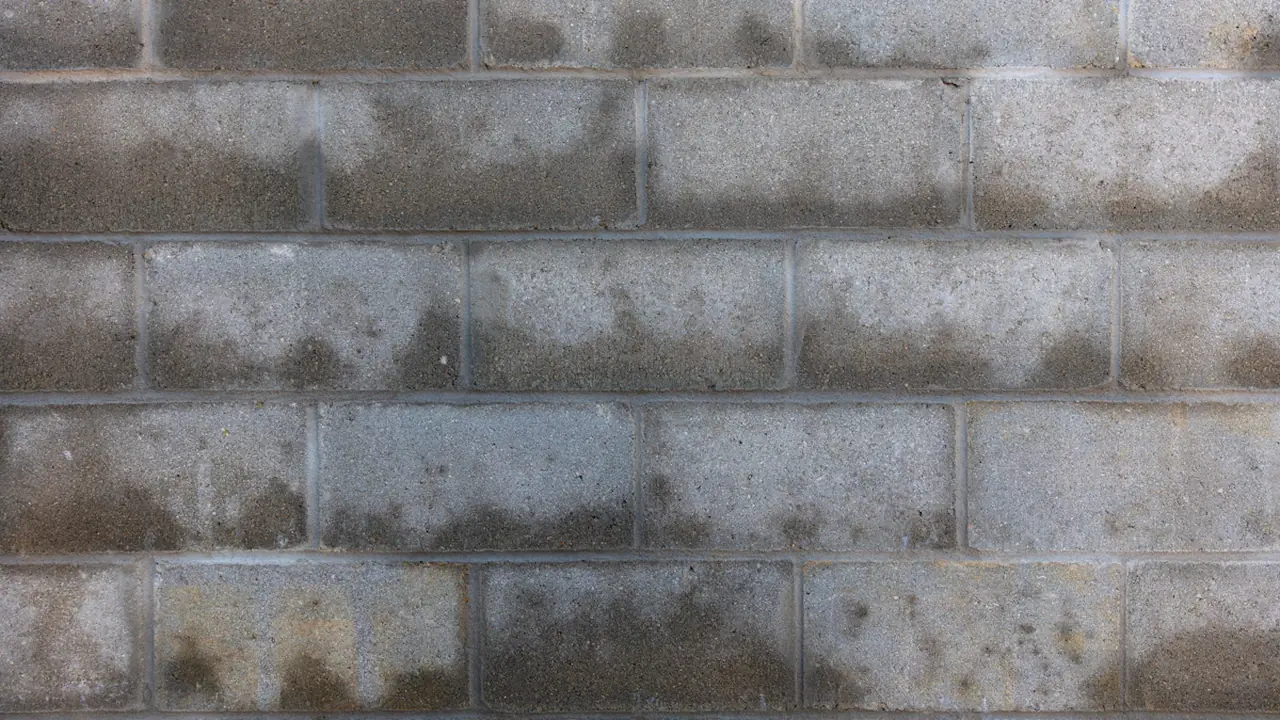
Moisture in a home can come from everyday condensation, rain entering through the building, damp rising from the ground or a plumbing leak. Where it appears, when it gets worse and whether it changes with weather can help narrow down the cause—but a stain or photograph alone cannot confirm a diagnosis. Start by recording the pattern and addressing safe ventilation while you check for signs that need a professional.
Compare where and when the moisture appears
Condensation often forms on cold surfaces: window panes, frames, outside-facing corners and walls behind large furniture. It may be worse on cold mornings or after cooking, showering or drying clothes indoors. Water droplets on glass and small patches of mould around windows can be clues, but they do not rule out another source.
Penetrating damp is moisture entering through the building, perhaps around damaged pointing, a leaking gutter, a faulty roof or a crack. A patch on an external wall may worsen after rain, though weather timing by itself is not proof. Check whether the affected area is near a roof edge, window, downpipe or other possible route for water.
Rising damp is often used to describe moisture moving up from the ground through walls. Suspected problems tend to be near the base of a wall, but salts, damaged plaster and other issues can look similar. Do not assume that a low-level stain confirms rising damp or agree to major remedial work on that basis alone.
A plumbing leak may cause a more localised wet patch, sometimes near a pipe, radiator, bathroom, kitchen or ceiling below plumbing. It can appear regardless of rain or cold weather. A stain that grows, a persistent drip or a sudden change in a water meter reading can warrant prompt attention.
Make a simple record before taking action
Note the affected room and wall, the height and size of the patch, whether the surface feels wet, and when you first saw it. Record whether it changes after rain, cold nights, showers or use of nearby plumbing. Take dated photographs from the same position every few days, and note any musty smell, visible mould or peeling finish.
These observations can help a landlord, plumber or surveyor understand the pattern. They cannot identify hidden moisture or establish the cause on their own. Avoid scraping, drilling or opening a wall to investigate unless a qualified professional advises it; hidden pipes and electrical wiring may be present.
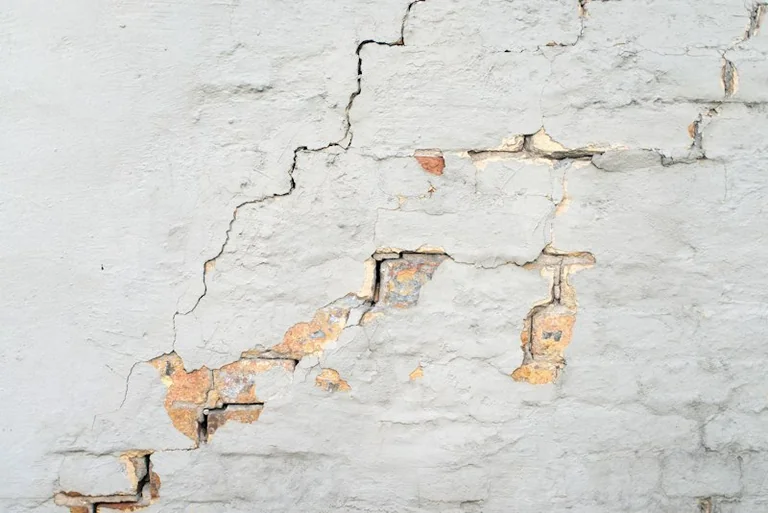
Reduce condensation safely while you investigate
Everyday habits can reduce excess indoor moisture, but they will not repair a leak or defect in the building. Try practical steps that are safe for your home:
- Use extractor fans while cooking and bathing, and leave them running afterwards if appropriate.
- Open windows briefly when it is practical and secure to do so, especially after activities that create steam. Keep trickle vents open if fitted and usable.
- Keep a reasonably steady level of heating where possible. Cold surfaces make condensation more likely, but heating alone will not solve every damp problem.
- Leave a gap between furniture and outside walls so air can circulate, and avoid tightly covering damp-prone corners.
- Wipe excess water from windows and sills, and dry laundry outdoors or in a ventilated room when possible.
Do not paint over mould or damp staining before finding and addressing the moisture source. A fresh coat can hide the pattern without fixing it. A dehumidifier may help lower indoor humidity, but it does not mend a leaking pipe, blocked gutter, damaged roof or other building defect. Follow the manufacturer’s instructions and keep the appliance safely away from water.
Know when to contact a landlord or specialist
If you rent, report the problem to your landlord or letting agent in writing as soon as you notice it. Include dated photographs, where the moisture is, when it appears and any steps you have taken. Keep copies of messages and note when someone visits or repairs are carried out. If water is actively leaking or the damage is spreading quickly, report it promptly rather than waiting to build a longer record.
If you own your home, a plumber is the right person to investigate a suspected pipe leak. A qualified building surveyor may help assess recurring moisture, suspected external water entry or a low-level damp problem when the cause is unclear. Ask what evidence supports the proposed diagnosis and what checks are needed before committing to substantial work.
Seek professional advice if mould is extensive or keeps returning despite sensible moisture control, if a wall or ceiling is becoming saturated, or if you cannot identify the source. People with respiratory symptoms or existing lung conditions should contact a healthcare professional for advice; a persistent or severe leak also needs prompt repair. If water is near electrical fittings, avoid touching the area and seek urgent qualified help.
Use the next change as a clue, not a diagnosis
After recording the pattern and making safe adjustments, check whether the patch changes after the next spell of rain, a colder night or use of nearby plumbing. A repeatable link can help guide an inspection. If the moisture persists, spreads or returns, share your notes and photographs with the relevant professional so the source can be assessed before repairs or redecoration begin.
Source: Editorial research
Context & actions About this article
Source check Practical guidance
Location, timing and weather are useful clues, but only an appropriate inspection can establish the cause of moisture.
- Record where the patch appears and whether it changes after rain or cold weather.
- Note any link to nearby plumbing, cooking, bathing or laundry.
- Photograph changes over time and share the record with a landlord or qualified professiona...
- Scope
- United Kingdom
- Updated
- 2026-10-30 10:02
Source check
Report a trust issue
Send a clear signal to community moderation if the source, facts or context need review.




Comments