Dreaming About Water: How the Setting Shapes Reflection
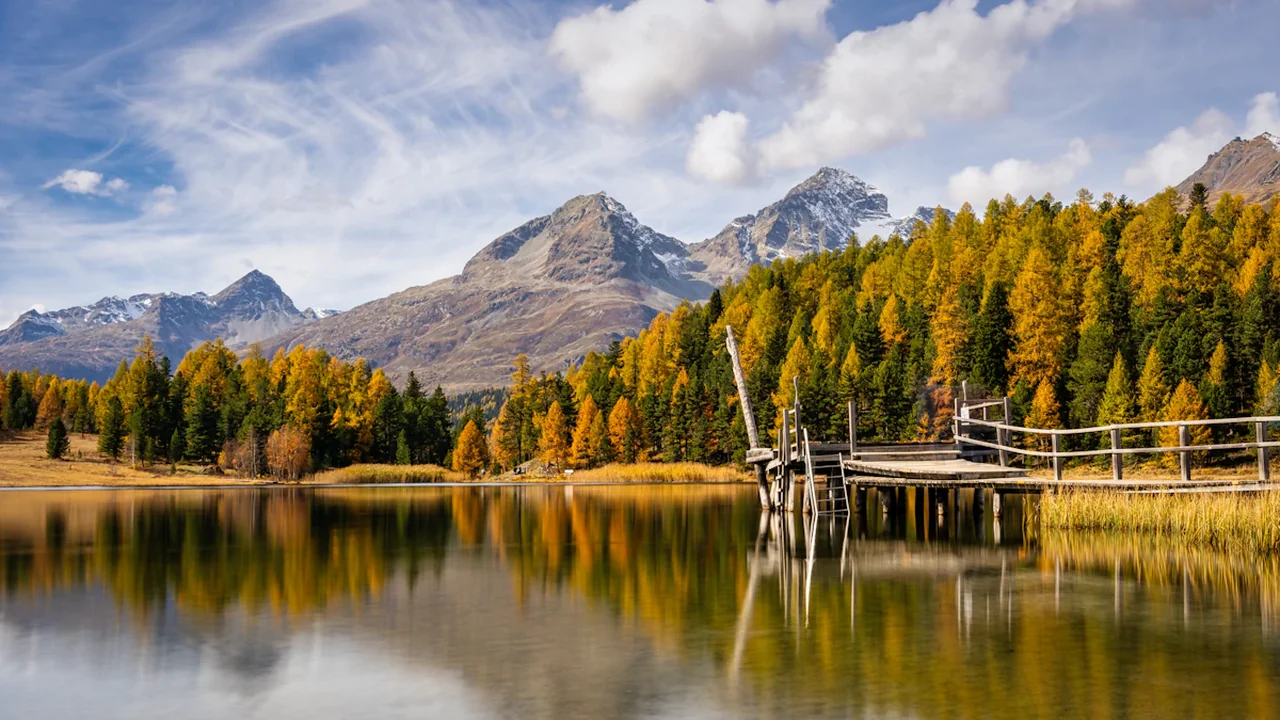
Water in a dream can appear as a still lake, a rising flood or a space beneath the surface. Those images may invite different questions, but none has a universal meaning or reliably predicts what will happen. To explore a water dream, start with how it felt, what was happening around you and what has been on your mind recently.
Water symbolism changes across traditions
Water has carried many meanings in myths, religious traditions and literature. It can be linked with creation, cleansing, renewal, danger, passage or the boundary between familiar and unknown worlds. These associations vary across cultures and stories; they are not a single shared code for interpreting dreams.
A river may mark a journey in one story and a source of life in another. In a religious setting, water might be part of a rite of purification, while in literature it can separate characters, conceal something or provide a route forward. The surrounding narrative shapes the image.
That same context matters in a personal dream. A body of water that feels peaceful to one person may bring back a difficult memory for another. Cultural associations can offer ideas to consider, but they cannot establish what an individual dream means.
Calm water, floods and underwater scenes
The details of a water dream may help you describe its emotional tone. They do not assign it a fixed interpretation.
- Calm water: Consider whether the scene felt restful, lonely or watchful. Was the water familiar, and were you looking at it from shore or moving through it?
- Flooding or rising water: Recall what was affected and how you responded. Did you seek shelter, try to help someone or feel unable to act? The scene may be a prompt to reflect on pressure or disruption, but it does not predict danger or a coming event.
- Being underwater: Notice whether you could breathe, see or move, and whether the experience felt frightening or peaceful. Those sensations can help you describe the dream without treating it as a warning.
- A river, sea or pool: Ask what the place means to you personally. A familiar swimming pool, an unknown ocean and a river from a childhood memory carry different associations.
These are reflection prompts, not a diagnostic tool. A dream image by itself cannot establish a hidden truth about your feelings or circumstances.
Start with your emotion and surroundings
Before looking for symbolism, try to recall the scene as concretely as you can. Where were you? Was anyone else there? What was the water doing, and what happened just before you woke? The answers may help distinguish a dream about a familiar place from one built around a particular feeling.
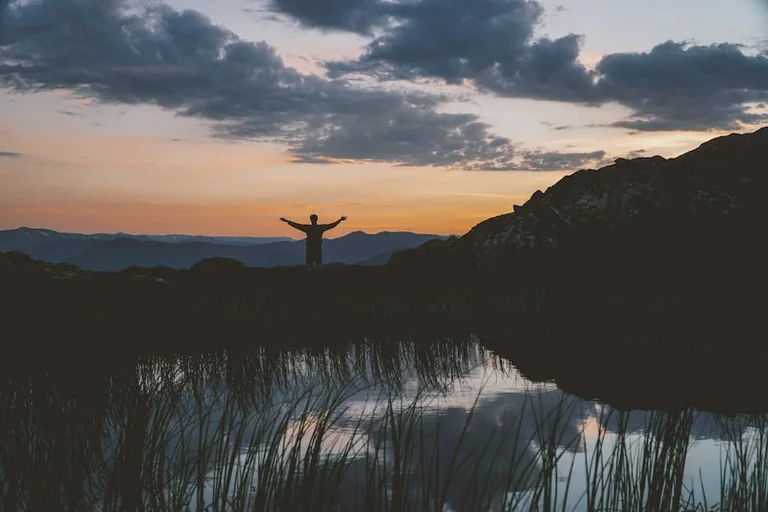
Emotion can be more useful than a symbol list. If the water seemed calm but you felt anxious, that contrast may be worth noticing. If the water was rough but you felt capable, that matters too. Neither reaction has to point to a single explanation.
You could jot down a few notes after waking:
- The place and kind of water
- Your strongest feeling during the dream
- What you did, and who else appeared
- Any recent experience or memory the scene brought to mind
Revisiting the notes later may show which details stayed with you. It is also fine if no clear connection emerges.
Let the dream invite questions, not predictions
Dreams about water are sometimes discussed as signs of pregnancy, financial change, danger or other future events. A dream is not reliable evidence that any of those things will happen. If a practical concern is on your mind, use relevant real-world information rather than a dream to assess it.
A more grounded approach is to ask what the image brings to mind and whether that association feels relevant to your current life. You might reflect on a recent change, a memory connected to a particular place, or simply the mood of the dream. Treat any interpretation as a possibility to consider, not a fact you have uncovered.
Water can hold many meanings in cultural stories and in personal memory. In a dream, its setting and your response to it offer a starting point for reflection; they do not supply a universal answer.
Source: Editorial research
Context & actions About this article
Source check Interpretation context
Water imagery has varied meanings across traditions, and a personal dream has no single guaranteed interpretation.
- Scope
- International
- Updated
- 2026-10-17 08:21
Source check
Report a trust issue
Send a clear signal to community moderation if the source, facts or context need review.



Comments