How the Great Fire of London Changed the City
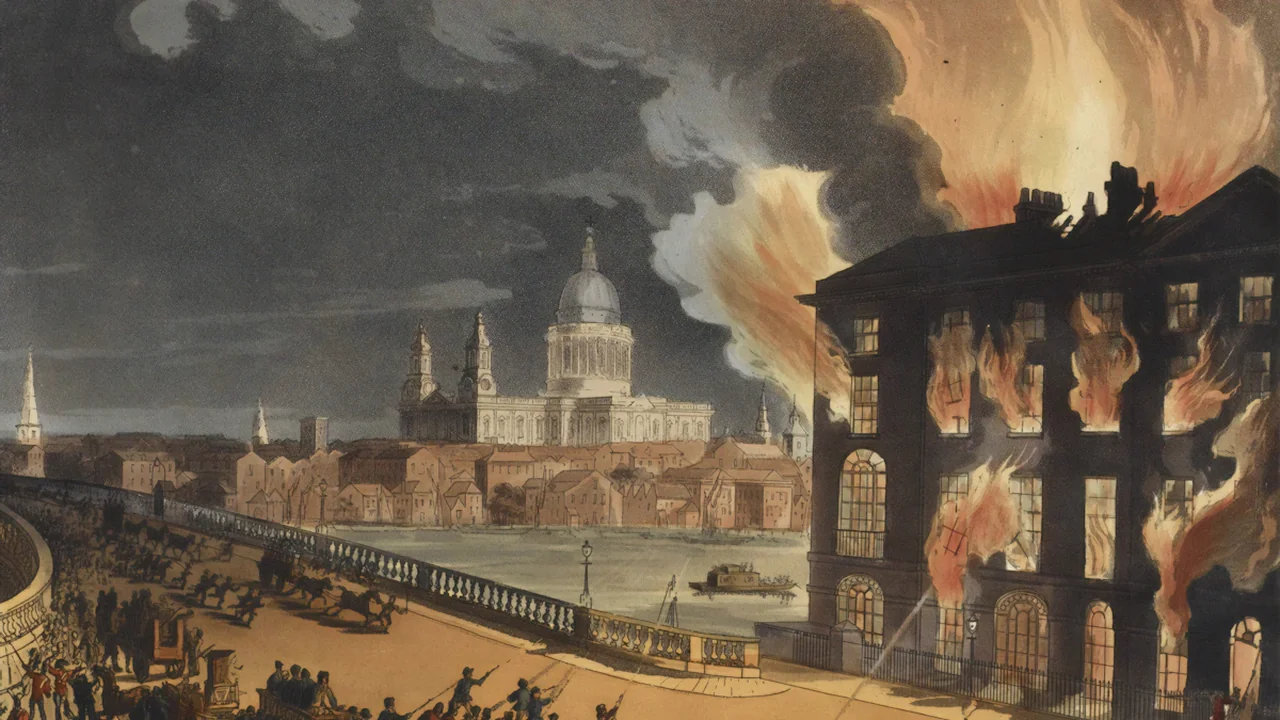
The Great Fire began in Pudding Lane on 2 September 1666 and burned for several days, destroying much of the City of London. Its aftermath changed how the capital was rebuilt and prompted new rules for safer construction; the surviving street pattern and fire precautions show why the disaster still matters. The Museum of London traces the fire’s course and effects, while familiar stories about its origins need to be treated with care.
2 September 1666: A fire starts in Pudding Lane
The fire began in a bakery on Pudding Lane, in the eastern part of the City. London’s closely packed buildings and the use of timber and other combustible materials helped flames spread. Strong winds also carried the fire from building to building.
The starting point is well established, but a precise account of every moment is not. Historians draw on contemporary records and later accounts, which do not always agree. The fire’s origin in a bakery should not be expanded into a detailed scene that the evidence cannot support.
The fire spreads across the City
Over the following days, the fire moved through streets of tightly packed houses, workshops and shops. The City’s buildings and narrow lanes made it difficult to contain. People fled with what they could carry, while firefighters and residents attempted to stop the flames from advancing.
One response was to pull down buildings to create gaps that might halt the fire. This tactic could work as a firebreak, but the effort was difficult to coordinate as the blaze spread. The fire was finally brought under control after several days; the Museum of London’s historical account covers its course and impact on the city.
The scale of destruction is often expressed through estimates of how many buildings were lost. Such figures should be understood as historical estimates, rather than as a perfectly precise count. What is clear is that a large part of the City was destroyed and many Londoners lost their homes and livelihoods.
Rebuilding brought new rules and a different skyline
The fire created an urgent need to rebuild, but London did not become a wholly new city laid out to a single grand plan. Proposals for a more regular street pattern were considered, yet rebuilding had to contend with property boundaries, ownership and the need to restore homes and businesses. Much of the old street network therefore remained.
The rebuilding did bring important changes to construction. New rules restricted timber in external walls and required greater use of brick and stone. These materials were less likely to help a fire race from one building to another. Regulations also addressed street widths and building design, shaping how the rebuilt City looked and how closely its structures stood together.
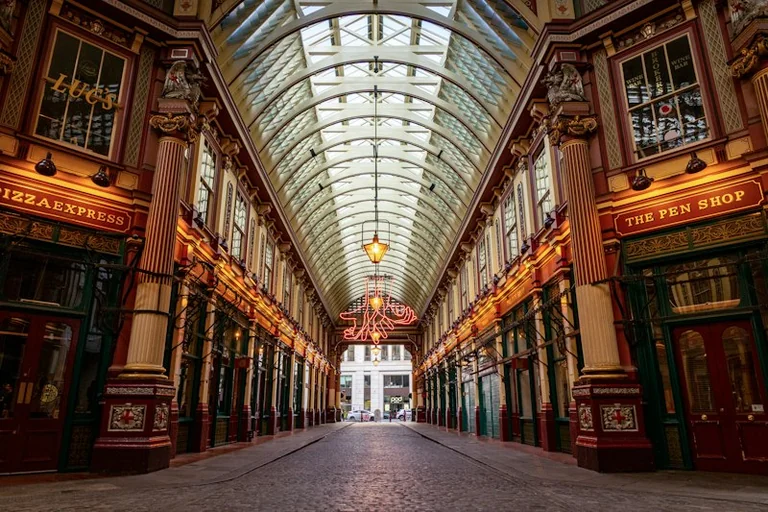
Those rules did not erase the past. London’s streets continued to reflect older routes and property lines, while rebuilt buildings introduced a more fire-conscious approach. The result was a layered city: familiar routes alongside construction practices shaped by the disaster.
Fire safety became part of the City’s legacy
The Great Fire made the risks of dense, combustible construction impossible to ignore. Rebuilding rules offered one response by changing the materials and layout used in parts of the City. The experience also reinforced the importance of organized efforts to contain fires and prevent flames from spreading between buildings.
It would be misleading to treat the fire as the sole origin of modern fire safety or urban planning. London’s protections developed over time. The lasting connection is more specific: the destruction of 1666 gave lawmakers and residents a clear reason to reconsider how buildings were constructed and how a fire could move through the capital.
The Museum of London’s account is useful for following the fire’s origins, course and effects. It also provides context for separating documented events from popular retellings. Details that sound vivid are not automatically eyewitness facts, and later legends should not be presented as settled history.
The next milestone was the City’s rebuilding
The fire’s immediate story ended when the flames were contained, but its effects continued through the rebuilding that followed. New construction rules altered materials and building practices, while the persistence of older streets shows the limits of plans to remake the City completely.
That tension remains a useful way to understand London today: the city carried familiar routes forward while adapting its buildings to a new awareness of fire risk. The next milestone in the story is the rebuilding itself, where the surviving street pattern and stricter construction rules reveal how 1666 changed the City.
Source: Museum of London
Context & actions About this article
Source check Historical context
The chronology and effects are based on the Museum of London’s historical account, with uncertain details treated cautiously.
- The fire began in Pudding Lane on 2 September 1666.
- It burned for several days and destroyed a large part of the City.
- Rebuilding changed construction rules, while much of the older street network remained.
- Source
- Museum of London
- Scope
- City of London, England
- Updated
- 2026-10-20 08:25
Source check
Report a trust issue
Send a clear signal to community moderation if the source, facts or context need review.



Comments