Battle of Hastings: What Happened on 14 October 1066
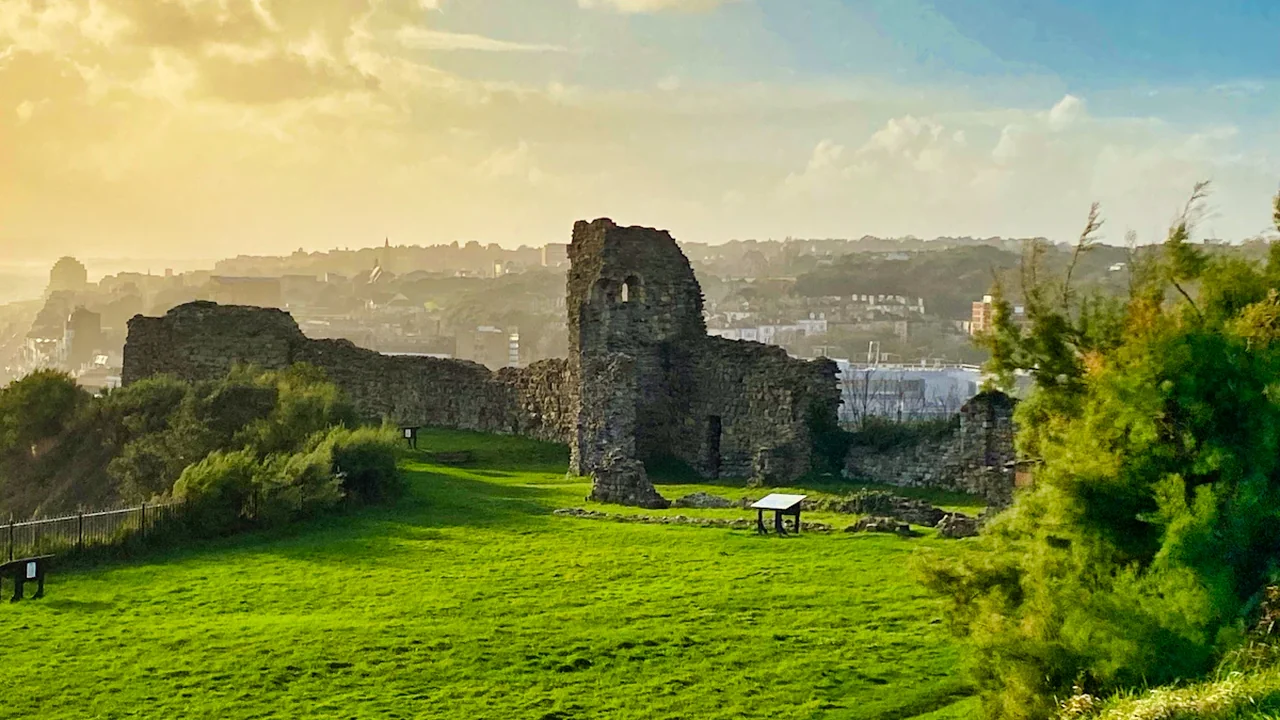
The Battle of Hastings was fought on 14 October 1066 near present-day Battle in East Sussex. William, Duke of Normandy, defeated King Harold II’s English army, a turning point that helped bring about the Norman Conquest. Today the site is also associated with Battle Abbey, built later to commemorate the conflict; the landscape and surviving remains offer a way to explore both the battle and its memory.
14 October 1066: the armies meet near Battle
The battle took place near the settlement now called Battle, in East Sussex. The name is closely linked to the event, but the familiar label “Battle of Hastings” does not mean that the fighting happened in the modern town of Hastings. English Heritage identifies the battlefield and abbey site at Battle.
The opposing leaders were William, Duke of Normandy, and Harold II, king of England. William’s victory was decisive: Harold was killed, and the defeat opened the way for William to take the English crown. The battle is therefore remembered not only as a military encounter but as a key event in the change of England’s ruling elite.
The battle’s outcome helped bring the Norman Conquest
A victory on the battlefield did not, by itself, instantly remake the country. It did, however, remove Harold and give William the advantage in his claim to the throne. William became king, and the conquest that followed reshaped political power and left a lasting mark on English history.
The battle’s significance is also tied to how it has been remembered. Accounts and images made in the years around the conquest help historians interpret the events, but they do not provide a complete, neutral record of every moment. The Bayeux Tapestry is an important medieval source for the conquest, yet it should be read with care: it is a crafted narrative, and its scenes and emphasis need interpretation rather than being treated as a direct, impartial eyewitness transcript.
What historians can establish—and what remains uncertain
The central outline is clear: the battle was fought in 1066 near present-day Battle; William defeated Harold’s forces; and the result helped make the Norman Conquest possible. Those points explain why the site remains an important place for understanding the period.
A medieval battle is harder to reconstruct in fine detail. Sources were produced for particular audiences and purposes, and they do not settle every question about the course of the fighting or the precise sequence of events. The safest account distinguishes the well-established outcome from details that historians infer by comparing sources and examining the landscape.
That distinction matters when visiting. The ground is part of the historical setting, but a present-day view cannot show exactly where every formation stood or what every participant saw. Battle Abbey’s commemorative role adds another layer: the site reflects how the victory was remembered after the fighting, as well as the battle itself.
Battle Abbey made the site a place of commemoration
Battle Abbey was established after the conquest and gave the battlefield a lasting religious and commemorative presence. English Heritage describes the site as Battle Abbey and battlefield, connecting the remains with the event that transformed the location into a landmark of national history.
The abbey’s later role should be kept distinct from the fighting in 1066. The battle happened first; the abbey belongs to the story of how the victory was marked and remembered afterward. Together, battlefield and abbey help visitors consider both the event and the historical memory built around it.
What visitors can see at Battle today
The English Heritage site brings together the battlefield and the remains of Battle Abbey in East Sussex. Visitors can experience the landscape associated with the battle and see the surviving abbey remains, making the visit useful for tracing the connection between the location and its later commemorative history.
The English Heritage page is the place to check current visitor information before travelling, including opening details and any access guidance. Those practical details can change, while the historical connection between Battle, the battlefield and the abbey remains central to the site.
The next fixed anniversary is 14 October, the date associated with the battle in 1066. Each year it offers a clear point to revisit what is known about William’s victory, what remains open to historical interpretation and how the abbey site preserves the memory of the conflict.
Source: English Heritage
Context & actions About this article
Source check Historical context
English Heritage identifies the Battle Abbey and battlefield site in East Sussex; medieval accounts require interpretation when reconstructing events.
- Battle was fought near present-day Battle in East Sussex
- William defeated Harold II on 14 October 1066
- Battle Abbey commemorates the conquest after the battle
- The Bayeux Tapestry is a significant medieval source, not a neutral transcript
- Source
- English Heritage
- Scope
- Battle, East Sussex, England
- Updated
- 2026-10-13 09:32
Source check
Report a trust issue
Send a clear signal to community moderation if the source, facts or context need review.



Comments