Mary Oliver’s Poetry Makes a Case for Paying Attention
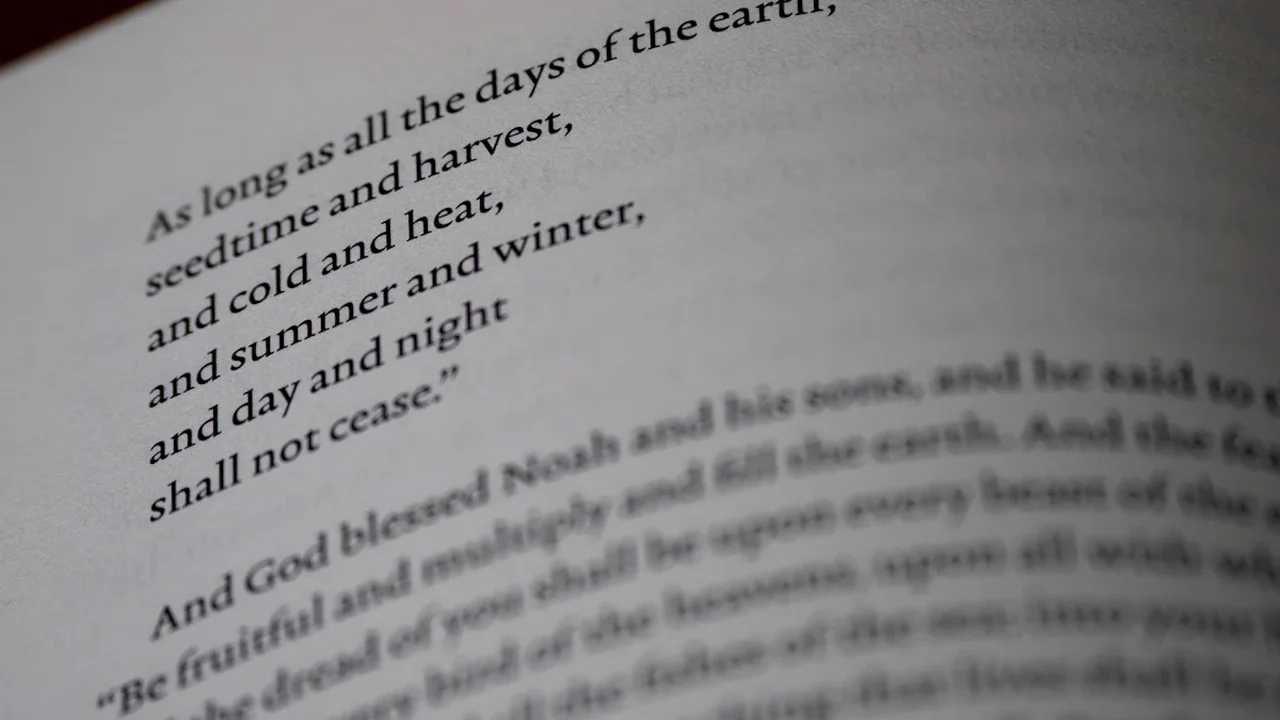
A patch of light shifts across the path; a bird calls from somewhere beyond the trees. On a short walk, details like these can bring Mary Oliver’s nature writing into focus. Her poems attend closely to the living world, and readers can try that attention for themselves by noticing light, sound and texture outdoors.
Mary Oliver’s poems begin with close observation
Oliver (1935–2019) was an American poet widely associated with poems about nature, solitude and the act of looking closely. Her work often turns to animals, plants and landscapes. These subjects are a useful starting point for reading her poems, but they do not provide a single, complete explanation of what the poems mean.
Instead, readers can follow how a poem directs attention. What does it describe? Which details does it linger on? Does its language stay with a particular sight or sound, or move toward a larger question? These questions make room for interpretation without assigning Oliver one intended message.
That approach also helps explain why her writing can feel different when read in a full poem than when encountered as a short excerpt. A close look at the words and their movement gives readers more to work with than a summary of the poem’s subject.
Read an excerpt in its collection context
Oliver’s writing is frequently shared in brief excerpts, sometimes separated from the poems and books where readers can see their full shape. A short line may sound like a general instruction on its own, even though it belongs to a poem with its own images, voice and movement.
No authorized edition or excerpt was supplied for this feature, so it does not reproduce a quotation or attribute a line to a particular collection. If you encounter a quote card, check its wording and punctuation against a published edition before repeating it. Then, if possible, read the surrounding poem: what comes before and after an excerpt can affect how its images and ideas register.
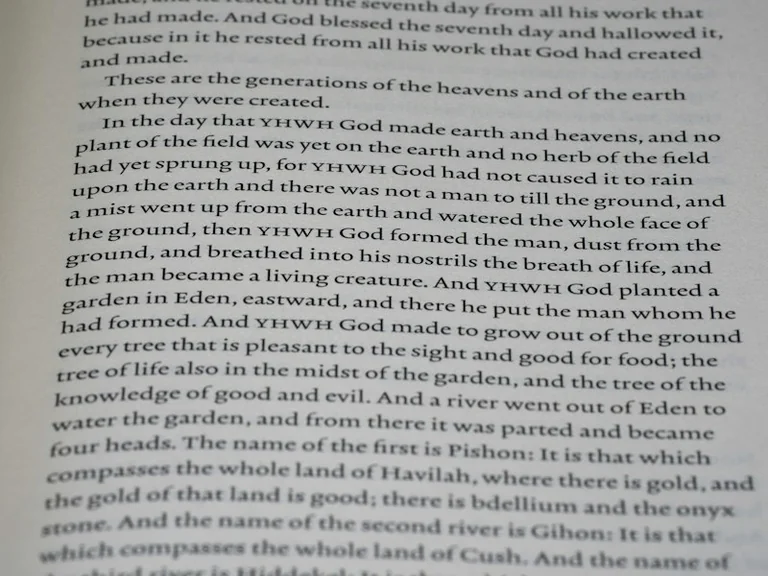
This is a practical distinction for readers searching for Oliver’s reflections. A shared line may offer an entry point, but it cannot stand in for the whole work. Reading the poem in context lets you notice how the details build and leaves the meaning open to your own considered response.
Try a three-detail walk
Choose a short, safe route where you can pause without blocking other people. Walk at an ordinary pace, then give a few seconds to one observation in each of three categories:
- Light: Notice a patch of sun, shade beneath a branch, or the way light changes on a surface.
- Sound: Listen for one near sound and one farther away, such as footsteps and birdsong.
- Texture: Observe the roughness of bark, the softness of moss, or the feel of gravel underfoot.
Keep the description plain and specific. You might note silently, “thin light on wet leaves,” or “a dry rustle behind me.” The aim is to notice what is actually there, rather than to force a lesson or turn the walk into a performance. If one category offers little to notice on your route, spend longer with another; the prompt is a way to focus attention, not a checklist to complete perfectly.
Leave room for your own reading
After the walk, consider which detail you remember most clearly and what caught your attention about it. You do not need to connect it to a grand conclusion. The observation may remain just that: a particular quality of light, a distant sound or a rough surface beneath your hand.
Oliver’s poems can invite readers to look carefully, but a reader’s walk remains their own experience. The three-detail exercise is a literary prompt for observation, not a mental-health treatment or a promise of a particular effect. A few minutes outdoors may simply leave you with three concrete details to carry back: something seen, something heard and something felt.
Source: Editorial research
Context & actions About this article
Source check Quotation context
This feature gives literary context without quoting a line that could not be checked against an authorized edition.
- Read excerpts in the context of the full poem
- Check wording and punctuation in a published edition
- Treat interpretations as open rather than as claims about Oliver’s private intent
- Scope
- United States
- Updated
- 2026-10-23 10:42
Source check
Report a trust issue
Send a clear signal to community moderation if the source, facts or context need review.


Comments