October 27 in British History: Leyte Gulf’s Pacific Turning Point
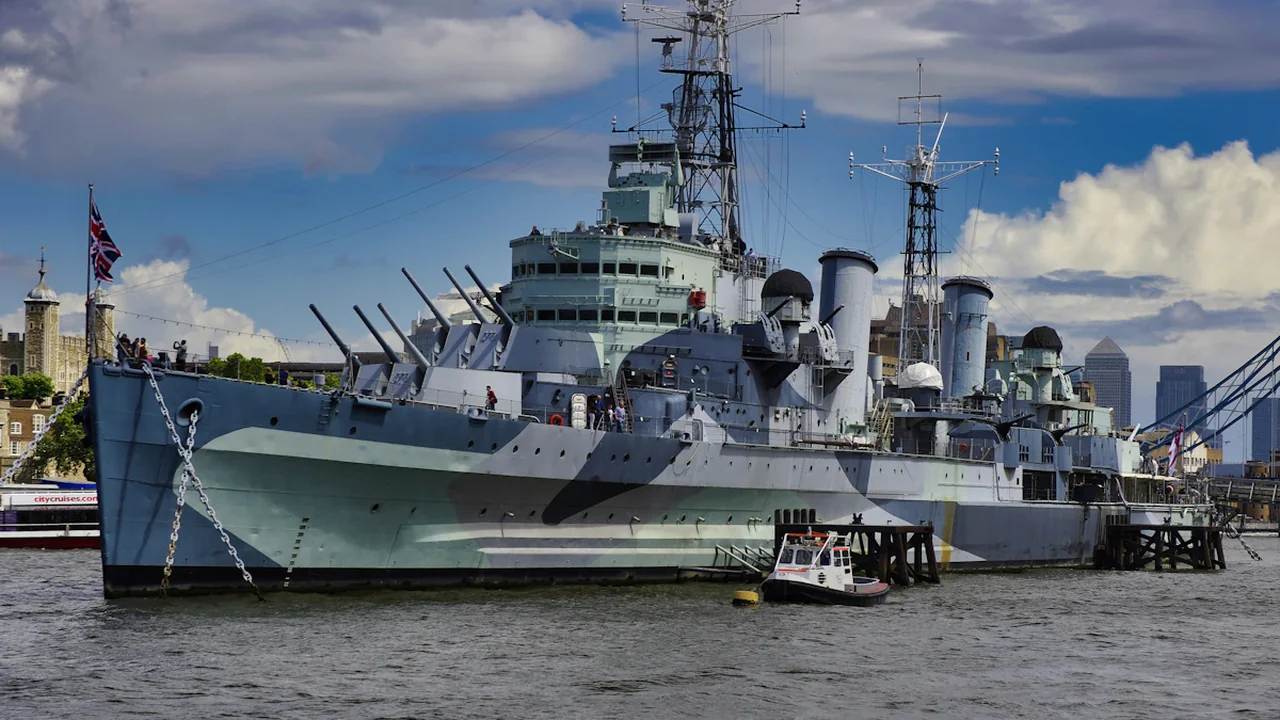
On October 27, 1944, the Battle of Leyte Gulf had ended the day before, after four days of fighting near the Philippine island of Leyte. The United States Navy had helped secure the way for the Allied return to the Philippines, while the Imperial Japanese Navy had suffered losses that sharply reduced its ability to mount major fleet operations. The next milestone was the continuing campaign to hold Leyte and advance through the Philippines; the battle did not itself end the Second World War.
October 23–26: Four days of fighting around Leyte
The battle took place from October 23 to 26, 1944, in waters around Leyte in the central Philippines. It was not one clash in a single location. The name covers a series of connected naval engagements as Japanese forces tried to disrupt the Allied invasion and US forces sought to protect it.
Leyte was strategically important because Allied forces had landed there on October 20. The operation was part of the campaign to retake the Philippines, which Japan had occupied since 1942. Japanese leaders recognized that allowing the landings to succeed could weaken their control of the islands and threaten vital routes linking Japan with resources farther south.
The Japanese response brought several naval forces toward the landing area from different directions. US ships faced attacks in the waters east and west of Leyte, as well as a dangerous Japanese advance through the narrow San Bernardino Strait. The action therefore stretched across a broad area rather than unfolding as a conventional meeting of two fleets in one place.
Where the fleets fought and what they were trying to do
Leyte lies in the central Philippines, near the eastern entrance to the Philippine archipelago. Its surrounding seas connect the Pacific Ocean with passages through the islands toward the South China Sea. Control of those waters mattered to both sides: the Allies needed to protect the troops and supplies landing on Leyte, while Japan aimed to strike the invasion force and its supporting ships.
The United States Navy brought a large, varied force, including aircraft carriers, battleships, cruisers, destroyers and escort ships. These groups had different tasks: some guarded the landing area, some attacked Japanese ships, and others operated farther away to cover the invasion. The Imperial Japanese Navy deployed a coordinated plan involving separate forces intended to draw away or attack American ships.
The resulting engagements included carrier action, surface-gun battles and a night attack. On October 25, US escort carriers and their smaller supporting ships faced a powerful Japanese surface force in the Battle off Samar. Their resistance helped delay the Japanese advance toward the vulnerable landing area. Elsewhere that day, US forces fought the Battle of Surigao Strait, where American battleships and other ships intercepted a Japanese force approaching from the south.
These episodes help explain why Leyte Gulf is often described as a collection of battles within one campaign. The waters and forces involved were spread across a wide region, and the outcome depended on several separate encounters rather than one decisive exchange between all the ships present.
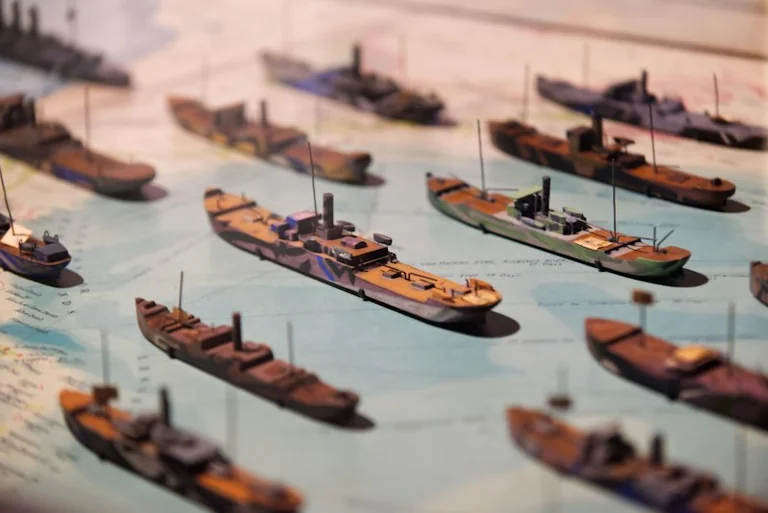
Why historians regard Leyte Gulf as a major naval engagement
The battle brought together large forces and several kinds of naval warfare at a crucial point in the Pacific campaign. Japan committed much of its remaining effective surface fleet in an attempt to disrupt the Leyte landings. US forces ultimately protected the invasion, while Japanese losses further limited the Imperial Japanese Navy’s capacity to challenge Allied control of the sea.
Its significance also lies in the changing balance of the Pacific war. By late 1944, the United States had gained the ability to mount major amphibious operations across great distances. Leyte Gulf showed how naval power, carrier aircraft, surface ships and transport protection could combine to support a campaign on land. It also showed the risks faced by smaller escort ships when larger enemy forces reached them.
The battle is often called the largest naval engagement of the Second World War, though comparisons depend on how historians define an engagement and count ships, aircraft and the spread of fighting. Its scale is clear, but the label should not obscure its structure: Leyte Gulf consisted of connected actions over several days and across multiple bodies of water.
The battle changed the naval balance, not the war’s end date
The Allied victory helped secure the foothold at Leyte and opened the way for the continued liberation of the Philippines. Japan’s fleet had been badly weakened, and it could no longer pose the same kind of coordinated threat to Allied operations. These were major military consequences, but they did not mean the war was over.
The Philippines campaign continued after October 1944, with fighting on Leyte and later operations elsewhere in the archipelago. Japan surrendered in August 1945, following the atomic bombings of Hiroshima and Nagasaki and the Soviet Union’s entry into the war against Japan; formal surrender followed in September. Leyte Gulf belongs within that longer sequence as a decisive naval defeat for Japan and a key support for the Allied return to the Philippines.
The next milestone after the battle was therefore on land and at sea: whether Allied forces could hold and expand their position on Leyte. That campaign, rather than the naval engagement alone, determined how the return to the Philippines proceeded.
Source: Encyclopaedia Britannica
Context & actions About this article
Source check Historical context
The dates and location are checked against Encyclopaedia Britannica; the article places the battle within the wider Philippines campaign.
- Battle dates: October 23–26, 1944
- Location: waters near Leyte, Philippines
- Military consequences are distinguished from Japan’s later surrender
- Source
- Encyclopaedia Britannica
- Scope
- Philippines
- Updated
- 2026-10-27 10:42
Source check
Report a trust issue
Send a clear signal to community moderation if the source, facts or context need review.


Comments