How Middle East Shipping Risks Could Affect UK Fuel Costs

A disruption to major Middle East shipping routes could raise the cost of moving oil and other goods, but it would not automatically mean higher UK petrol prices or delivery charges. The effect would depend on how long and how severely shipping was affected, wider energy and freight markets, and how quickly businesses passed costs on. To judge any change, compare dated UK fuel data with local pump prices and delivery fees.
How shipping disruption can feed into costs
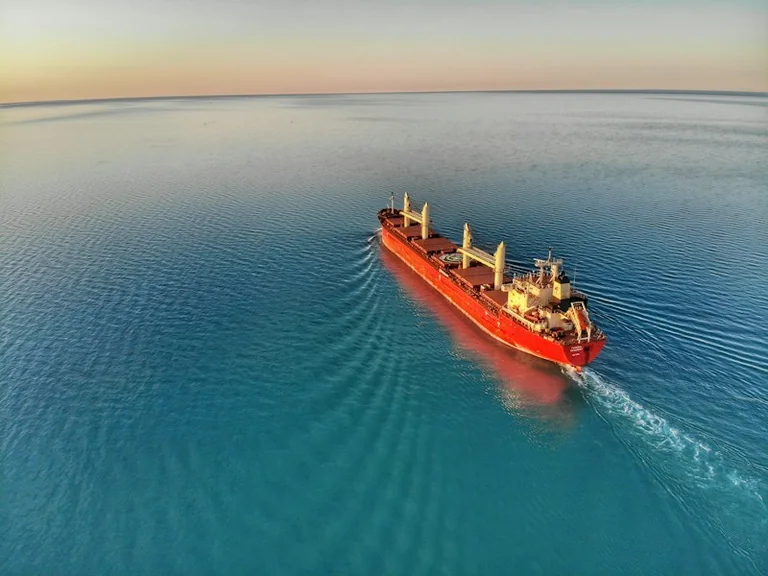
Oil travels by sea from producing regions to refineries and buyers around the world. If a route becomes harder or riskier to use, ships may face longer journeys, delays, or changes of route. Those can increase fuel use, time at sea and operating costs. The effect depends in part on whether alternative routes and supplies are available and practical for carriers to use.
Insurers may also charge more to cover voyages they consider riskier. Carriers can respond by adding surcharges or changing schedules. These changes can affect container freight, which carries many imported goods, even when those goods are not petroleum products. A higher freight charge is one possible cost for businesses; it does not show how much, if any, of that cost will reach a household’s final bill.
The path from shipping risk to a UK price has several stages: shipping conditions can affect transport and insurance costs; those costs can influence oil and freight markets; and businesses may then absorb or pass on some of the increase. A shipping cost increase does not translate one-for-one into crude oil, petrol, household deliveries or retail goods. Available routes and supplies, demand, inventories, exchange rates, refining and transport costs, taxes, and pricing decisions by suppliers and retailers all matter.
Why UK pump prices may move differently
The International Energy Agency’s Oil Market Report provides context on global oil supply, demand and market conditions. Global crude prices are one influence on UK road fuel, alongside refining, distribution, retailer margins, and fuel duty and VAT. A change in shipping risk alone therefore cannot establish what motorists are paying or predict what they will pay next.
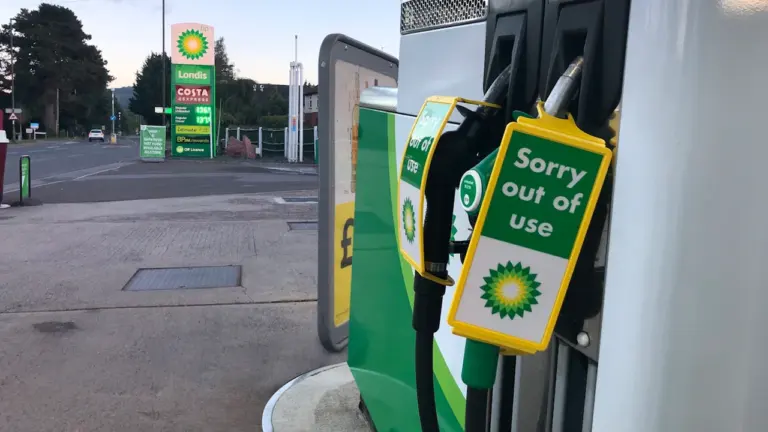
The UK government publishes weekly road fuel price data for comparisons over time. Its national figures can help show whether average petrol or diesel prices have changed, but they do not tell you the price at a particular forecourt. Local prices can vary by area, station and fuel grade.
For a useful comparison, check the date and fuel type in the government series, then compare nearby stations at roughly the same time. Keep national averages and local listings separate: they answer different questions. A single local price or one week’s movement is not enough to show that shipping disruption caused a change.
Check your local fuel and delivery costs
Use these steps to make a practical comparison:
- Check the latest government fuel-price release. Note its publication date and compare like with like: petrol against petrol, or diesel against diesel. Look at more than one release if you want to see whether a movement has continued.
- Look up nearby forecourt prices. Use a current local price service or the station’s own listing where available, and confirm the fuel grade and date. Listings checked at different times may not be directly comparable.
- Compare the full cost of a journey. Include distance, fuel economy and any extra trip needed to reach a cheaper station; a lower pump price may not mean a lower overall cost.
- Check delivery totals at checkout. Compare the same item, delivery speed, minimum order, and any service or remote-area fees. Delivery prices may reflect carrier and business costs as well as fuel.
- Compare again later. Keep the dates with your notes. A sustained change across several releases is more informative than a short-lived fluctuation, though it still does not identify the cause by itself.
What remains uncertain
Without dated evidence of a particular route disruption and its market effects, it is not possible to say that UK fuel or delivery costs have risen because of shipping. Even when a disruption is documented, the size and timing of any effect can vary: companies may use other routes, draw on existing stocks, absorb some costs, or pass them on at different rates.
For the clearest picture, check the latest IEA oil-market context alongside the date-stamped UK government fuel-price series and current local prices. Compare when and how much each measure changed before attributing a household cost to shipping risk.
Source: Iea
Context & actions About this article
Source check Sources and comparisons
This guide explains possible cost pathways and points readers to the IEA’s oil-market context and the UK government’s dated road fuel data.
- Compare the publication dates of weekly fuel-price releases.
- Match petrol or diesel type when comparing prices.
- Check local station prices separately from national averages.
- Source
- UK government weekly road fuel prices
- Scope
- United Kingdom
- Updated
- 2026-10-12 09:56
Source check
Report a trust issue
Send a clear signal to community moderation if the source, facts or context need review.



Comments